
SCIENTIFIC PROGRAM
PLENARY SESSIONS ORAL SESSIONS POSTER
SESSIONS BOOK OF ABSTRACTS
POSTER
SESSIONS
Topic 1: Radiation-Nucleus
Interaction
P001: NUMBER-PROJECTED
NEUTRON-SYSTEM RADII OF ODD-MASS N»Z NUCLEI IN THE ISOVECTOR PAIRING CASE
N.H. Allal1, M. Fellah1,
M. Douici1,2and M.R. Oudih1
S. Ourabah1*, M.
Chekirine2, B. Bouzid3 and R. Khelifi2
P003: DOSE MEASUREMENTS IN
HETEROGENEOUS MEDIUM FOR HIGH ENERGY PHOTON BEAMS
K.Bentabet1 and M.
Tribeche1 1
P005: NEW DETERMINATION OF
ASTROPHYSICAL REACTION RATE OF 12C(a,γ)16O AT THE RADIUS R=7.7 fm
F. Hammache, N. H. Allal, M.
Fellah and M. R. Oudih
M. Kerbouche1, S.
Chettouh1, Y.Hamaizi1, H.Triki1, A. El-Akrmi1
D.Mokhtari1 , N. H. Allal1
and M. Fellah1
P009: Dispersion cancellation using linearly chirped Bragg grating filters in optical waveguides
S. Chettouh, M. Kerbouche, H. Triki, A. EL-Akrmi, Y.Hamaizi
P010: APPLICATIONS IN THE EXTENDED
THEORY
H. Mansour 1, B.
Si-Lakhal 2 and A.Yannallah 3
P011: DICLUSTERING IN ACTINIDE
NUCLEI
A.Mekentichi and A. Bouldjedri
P012: JET MASS DISTRIBUTION WITH KT
CLUSTERING
P013: STUDY OF THE LATERAL
SPREAD OF IONS THROUGH MATTER
A. Mekhtiche1,2 and K.
Khalal-Kouache2
Y. Djerboua1, N. Amrani1,
P. Mastinu2, A. Boucenna1
P016: THEORETICAL STUDY OF ALPHA
DECAY BASED ON WOODS-SAXON POTENTIAL
F. Saidi, M.R.Oudih, M. Fellah and
N.H. Allal
P019: INTEGRATED PROTON AND DEUTERON
ACTIVATION ON ALUMINIUM
W. Yahia-Cherif1, S.
Ouichaoui1, A. Belhout1
N. Belouadah1*, F.Kadem1,
M. Belgaid1, Z. Idiri2,F.Redjem3
F. Redjem1, M. Belgaid2,
N. Belouadah2, F.Kadem2
P025: THE RESPONSE OF MAGIC GEL TO
EXTERNAL BEAM RADIATION
Y. Benbouzid, N.H. Allal, M. Fellah
and M.R. Oudih
P027: EXOTIC DECAY INVESTIGATION OF
Nd ISOTOPES
M. Ouhachi, M.R. Oudih, M. Fellah
and N.H. Allal
Topic 2: Radiation-Atom Interaction
H. Azoui1 , A. Laidoune1,
D. Bahloul1 and N. Soltani2
A. Moussaoui1,2, K.
Alioua1,2, A . R. Allouche3
N. Imadouchene and H. Aouchiche
P032: DIFFRACTION OF THE
HERMITE-GAUSSIAN BEAMS BY A RECTANGULAR APERTURE
P033: MONTE CARLO SIMULATIONS OF
VERY LOW ENERGY ELECTRON IN ALUMINUM
S. Marouf, Y. Boudouma and A. C.
Chami
P035: SHAPING OF A LAGUERRE GAUSSIAN
BEAM BY AN ANNULAR APERTURE
P036: Detection and identification
of aerosols and clouds by Lidar
F. Meziani1, Z.
Ameur1 and P. Goloub.2
P037: Study of the scattering of
slow H+ ions from a nickel surface
A. Mansour and K. Khalal-Kouache
P038: ANGULAR DISTRIBUTIONS FOR
ELECTRON ELASTIC SCATTERING BY HYDROGEN CHLORIDE MOLECULE
P039: Radiative Association of 36Ar
and 38Ar with Ionic Hydrogen
M. Medjani1,O.
Brihi1,A. Boudjada1,J. Meinnel2
P041: SODIUM LASER GUIDE STAR
"LGS" SYSTEM IN THE E-ELT
P042: AB INITIO CALCULATIONS OF
HYPERFINE STRUCTURES IN CHLORINE ATOM
A. Touat1, M. Nemouchi1
and M. Godefroid2
P043: STRONG RELATIVITY EFFECT ON
THE A3/2 HYPERFINE CONSTANT OF 2p4(3P)3p 4S FLUORINE
ATOMIC STATE
N. Aourir1, M. Nemouchi1
and M. Godefroid2
P044: SYNTHESIS AND CHARACTERIZATION
OF TRANSPARENT Er3+DOPED TeO2-K2O-Na2O-Nb2O5GLASS
CERAMIC
R. Belhoucif1,2 A.
Kermaoui1, I. Lanez3, M. Chalal1,2 and H.
Zanane1
P045: JUDD-OFELT ANALYSIS OF
LUMINESCENCE EMISSION FROM Li6Eu1-xSmx(BO3)3
SINGLE CRYSTAL
R. Belhoucif1,2, M.
Velazquez3, O. Plantevin4, P. Aschehoug5, P.
Goldner5, G. Christian4
P046: OPTOELECTRONIC PROPERTIES OF
PEROVSKITE COMPOUNDBiInO3
A. Bekhti-Siad1, M. Baira2,
H. Bouhani-Benziane2
P047: A STUDY OF THE ELECTRONIC AND
OPTICAL PROPERTIES OF PEROVSKITE COMPOUNDBiGaO3(BGO)
N. Baira1, A. Bekhti-Siad2. N. Si Ziani1, H. Bouhani-Benziane1, M. Sahnoun1
B. Bentouhami and Z. Derrar-Kaddour
P049: THEORETICAL ANALYSIS OF
VISIBLE AND NEAR- INFRARED SURFACE PLASMON RESONANCE PROPERTIES
F.Z. Benkabou and
A.Boukhenfous
P051: Simulation calculations of
line shapes in presence of strong Langmuir turbulence
I. Hannachi1, R. Stamm2,
M. Mereini2, J. Rosato2 and Y. Marandet2
P052: Spectral line shapes in
magnetized plasmas: Application
to plasmas of Tokamak edge
K. Touati1, S. Douis1and
M.T. Meftah1
P053: OPTIMIZATION OF THE EMISSION
LINE SHAPE OF HE-NE GAS LASERS
S. Makhlouf1, N. Zaourar1,
M. Djebli2 and J. J. Berthelier3
P055: CHARACTERIZATION AND
REHABILITATION OF POLLUTED SOILS WITH BIOSILICA MATERIAL BY CALCINATION
W.Rezig , K.K. Haoui, M. Hadjel
P056: Origin of ultra high energy
cosmic rays
P057: Extensive Air Shower of ultra
high energy cosmic rays
H. Bouraoui1, A. Boudjada1,
M. Medjeni1, J. Meinnel2
P059: Study of particle trajectory
by holography and LabVIEW
A. Helal, R.Boudoukha, S. Mebark Azzem and
L. Bouamama
P060: THE GAMMA IRRADIATION FACILITY
FOR SPACE RESEARCH
P061: Polyelectrolyte like behavior
of a Post Gamma Irradiated neutral Polymer dissolved in water
M. Guettari, A. Belaidi
and T. Tajouri
A. Mekki1, F. Talhaoui, F. Hamidi
P063: CALCULATION OF AVERAGE M SHELL
FLUORESCENCE YIELDS FOR HEAVY ELEMENTS
S. Daoudi1,2, A. Kahoul1,2,
Y. Kasri3, Y. Sahnoune1,2, B. Deghfel4,5, M.
Nekkab2,6 1
P064: NEW PROCEDURE CALCULATION OF
L2 SUBSHELL FLUORESCENCE YIELDS FOR ELEMENTS FROM40Zr to 60Nd
P065: K-SHELL PRODUCTION CROSS
SECTIONS FOR 2-5 MeV ALPHA ON ELEMENTS WITH Z= 25 TO 30
F. Bezoubiri1 , A. A. Bezoubiri1, A. Boughalia1, M. Arib2
R. Nouri1, R. Chemam1,
R. Belkacemi2, H.Meradji1 and S.Ghemid1
P068: THE EFFECTS OF γ- RAY
IRRADIATION ON STRUCTURAL PROPERTIES OF POLYETHYLENE TEREPHTHALATE
K. Chikaoui1 R. Yefsah2
and M. Siad2
A. Benali1,2, G. Medkour
Ishak-Boushaki1, A. Nourreddine 3, M. Allab1
P070: Trace element Zinc level in
hair and nails of Algerian women with breast cancer using k0-NAA
A. Mansouri1, L.
Hamidatou Alghem2, B. Beladel3, M.E.A. Benamar4
P071: Monte Carlo Simulation of an
HPGe detector with MCNP5 code
A. Taibi1, G. Medkour
Ishak-Boushaki1 , M. Allab1, Z.Idiri2, S.
Benbouzid3
P073: THE UV- VISIBLE - IR EMISSION
OF RARE GASES IN DIELECTRIC BARRIER DISCHARGE
N. Larbi Daho Bachir1,
I.Z. Ait Menguellat1, A. Belasri1, B. Caillier2
and P. Guillot2
P074: Assessment of variation of Cesium-137 in cultivated field for soil erosion estimation
Z. Melzi1, A. Azbouche1, M. Belamri1, T. Iguer2,Z. Sekhane2
P075: Al, Si, Fe and Cu K X-RAY
PRODUCTION CROSS SECTIONS FOR ALPHA BOMBARDMENT
P076: CHARACTERIZATION OF SOLID
CATALYSTS BY X-RAY DIFFRACTION
D. Atallah1, T. Affaf1,
B. Imene1 and H. R. Farouk2
P077: DEPTH PROFILE OF GALLIUM IN Si3N4
et SiO2
L. Aggar, M. Abdesselam, M. Djebara, A.C. Chami
Topic 4: Nuclear Reactor Physics
F. Zeggar1, M. Belgaid2
and T. Zidi3
N. Sellaoui1,3, T. Zidi2,
M. Belgaid3, T. Zergoug1
P080: COMPARISON STUDY BETWEEN TWO
METHODS FOR CALCULATION OF ATMOSPHERIC DISPERSION
A. Dadda1, A Bouam1,
H. Graine1 and N. Messen1
P081: PROBABILISTIC METHODS BASED
FAULT TREES ANALYSIS FOR NUCLEAR SAFETY ASSESSMENT
D.Kemikem,2 , M.Boudour1
, R.Benabid3
P082: CONVERGENCE ASSESSMENT OF THE
MCNP5 MODEL FOR NUR RESEARCH REACTOR
P083: THERMAL EFFECT ON THE
REACTIVITY OF OKLO NATURAL NUCLEAR REACTORS, MONTE CARLO SIMULATION
M. Guerrache1, S.E.
Bentridi2, N. Amrani1 and B. Gall3
P084: MODEL OF NEUTRON DOSIMETER FOR
CRITICALITY ACCIDENT SITUATIONS
H. Hasnaoui1,2,*
and E.A.Kramer Egeev2
P085: Study of Transmutation Rate of
Long Lived Fission Product: Iodine-129
F.Tighemine , A. Boucenna, N. Amrani
P086: MONTE-CARLO OPTIMIZATION OF A
CHANNEL NEUTRON-BEAM USE FOR NEUTRON DIFFRACTION
M. Hachouf*, N. Benaskeur and F.
Riahi
P087: SCATTERING EFFECT OPTIMIZATION IN NEUTRON IMAGING BY SCALE SIMULATION
N. Benaskeur*, M. Hachouf, H. Benkharfia, A. Khalfallah
P088: Calculation of neutronic parameters from isotopic analyses of Oklo spent fuel samples (RZ2)
K. Ziche1, S.E. Bentridi2,3, H. Hidaka4, N. Amrani1, B. Gall3, A. Boucenna1
P089: ESTABLISHMENT OF THE REFERENCE LEVEL OF RADIOACTIVITY AROUND NUCLEAR INSTALLATIONS
P090: SPHERICAL FUEL FOR HIGH TEMPERATURE NUCLEAR REACTORS; THERMAL HYDRAULIC ANALYSIS
E.M. Medouri1, D. Ailem1, K. Sidi Ali2 and T. Belmrabet1
P091: 3D STUDY OF THE DIRECTION OF GAS RELEASES FROM
A. Dorbane1, K. Sidi Ali2 and M. Bellaloui2
P092: PHOTON NEUTRONS SOURCE EVALUATION IN HEAVY WATER RESEARCH REACTOR
A. Raked2, A. Seghour 1, A. Chafa 2 1
P094: Dynamics of Oklo natural reactors
B. Gall1, S. E. Bentridi1,2, F. Gauthier-Lafaye3, H. Hidaka4
Topic 5: Radiation in Medicine
P095: COMPARISON OF TWO FULL FIELD DIGITALMAMMOGRAPHY SYSTEMS:IMAGE QUALITY AND RADIATION DOSE
A. Merad, S. Saadi and N. Khelassi-Toutaoui
P096: Comparison and validation of dose distribution in thorax phantom using Gate V7/Gate V6
K. Ouabri1.2, R. Khelifi2, E. Dahi 3
P097: Dose Assessment in 2D and 3D Mammography
S. Saadi1, A. Merad1, N. Khelassi-Toutaoui1, M. Boubrit2
D. Guedioura, Z. Sakhri-Brahimi, N. Khelassi-Toutaoui.
P099: REFERENCE KERMA RATE EVALUATION USING SIEVERT INTEGRAL FOR EXTENDED SOURCE
Z. Sakhri-Brahimi, D. Guedioura, N. Khelassi-Toutaoui.
P100: DOSE DISTRIBUTION OF THE CURVED RADIOACTIVE SOURCE HDR-60Co IN WATER
P101: STUDY OF VACCINATION OF MICE WITH GAMMA (γ)- ATTENUATED PROTOSCOLEX
S. Hadj Rabia1, A. Mokhtari1, R. Nouri1,A. Benzaid1& A. Baz2
N.H. Boughaba1, N. Yahlali2, B. Bouzid1, J. Díaz2
P104: THE VALIDATION OF RADCALC FOR CLINICAL USE, AN INDEPENDENT MONITOR UNIT VERIFICATION SOFTWARE
A. Betka1,2 , A. Azbouche3 and A. Benthabet2
P106: A new recovery coefficient method for partial volume correction
H. Gourayi1, S. Hapdey2 and B. Bouzid1
P107: A Study to Establish Diagnostic Reference Levels of Adults CT Chest Examinations in Algeria
F. Meddad, N. Khelassi-Toutaoui, A. Merad , D. Guedioura, S. Saadi
A. Toutaoui, M. Belmessaoud, S. Bencheikh, R. Louelh, S. Mahmoudi
P109: VMAT QA AND DOSIMETRY: DID WE GET IT RIGHT?
A. Toutaoui, S. Bencheikh, R. Louelh, M. Belmessaoud
P110: VOXELISED HUMAN PHANTOM STUDY USING GEANT4
M. Bhar1,2*,0. Kadri 2 and K. Manai 2
P111: NEUTRON SPATIAL DISTRIBUTION FOR BNCT APPLICATIONS OF NUCLEAR RESEARCH REACTOR LVR-15
M. Rabochová1, M. Vinš2, J. Šoltés2
Topic 6: Radiation in Industry, Life and Nature Sciences
P112: Attenuation coefficients of some soil physical properties
A.Bouziane, A.Tebboune, A. H. Belbachir
P113: Impact of EUV radiation on daytime ionic and electronic productions in the Earth’s ionosphere
H. Marif 1, R. Boudra 2 , H. Hacini 2 , N.Zaourar2and J. Lilensten3
P114: Ionospheric Thermal Electron Heating by Extreme Ultraviolet and Soft X-rays Solar Radiations
A. Bouziane1 , H. Marif 1, M. Djebli 1 , and J. Lilensten2
Dj. Ghemati, N. Rafaand, Dj. Aliouche
P116: KINETIC STUDY AND SORPTION MECHANISM OF URANIUM VI ONTO NAY ZEOLITHE
F. Houhoune1, S. Khemaissia1, Dj. Nibou2, S. Chegrouche1, S. Menacer1
P117: Analytical approach of extreme energy cosmic ray detection from an Earth-orbiting satellite
P118: DATING BY 210Pb and 137Cs RADIOISOTOPES OF RECENT LAKE SEDIMENTS
A. Tedjani1, A. Belafrites1, D. Boumala1, C. Mavon2, J-E. Groetz2
M. Aït-Ziane1, Z. Mokrani-Lounis1 and M. Allab ²
P122: Degradation of aqueous solutions OF IBUPROFEN using gamma irradiation
J. Aribi1,2, W. Jahouach-Rabai1,3, Z. Azzouz-Berriche3, R. Lahsni4, A. Ghrabi1, B. Hamrouni2
P124: ESTABLISHMENT OF THE REFERENCE LEVEL OF RADIOACTIVITY AROUND NUCLEAR INSTALLATIONS
M. Mebarka1 and A. Noureddine2
P125: Determination of the concentration of heavy metals In indoor air by ED-XRF technique
K. Boukeffoussa1, M. Belamri1, L. Bounemia1, S. Gouasmia1
P126: Safety requirements in the management of NORM residues: Phosphogypsum Case
A. R. Salah Eddine and C. Brahim
L. Hamidatou Alghem, H. Slamene, K. Djebli
N. Mezerreg1,* and N. Yahlali2, J. Díaz2, M. Haddad1, A.Azbouche3
P130: HYDROGELS SYNTHESIS OF POLY (N-VINYLPYRROLIDONE) BY IRRADIATION AND ITS CHARACTERIZATION.
A.Azizi1, A.Benaboura2 and S.Taberkoukt3
P131: COMPARATIVE ANALYSIS OF POTTERY
BY X-RAY FLUORESCENCE IN ALGERIA
N. Taïbouni1, A. Amokrane1, T. Calligaro2
P132: MÖSSBAUER SPECTROSCOPIC STUDY OF IRON PHOSPHATE GLASS FOR RADIOACTIVE WASTE STORAGE
A. Djeridi1,*, N. Kamel2, A. Guittoum2, A. Benmounah1, D. Moudir2, S. Kamariz2, Y. Mouheb2
P133: ASSESSEMENT OF RADIOACTIVITY LEVELS IN SOME BUILDING MATERIALS USED IN ALGERIA
E.Saadi1*, A. Azbouche2, F. Benrachi1
P134: DEGRADATION BY GAMMA RADIATION OF FENITROTHION PRESENT IN SEWER WATER
H. Meguenni1, M. Mahlous1, F. Djema1, S. Souilah1, D. Bouchfer2, K. Djender3
T. Azli *, Z. Khodja, A. Hadri, A. Nedjar, D. Boukhadra, M. Mouzai
Topic 1: Radiation-Nucleus
Interaction
P001: NUMBER-PROJECTED
NEUTRON-SYSTEM RADII OF ODD-MASS N»Z NUCLEI IN THE ISOVECTOR PAIRING
CASE
N.H. Allal1, M. Fellah1, M. Douici1,2and
M.R. Oudih1
1 Laboratoire de Physique Théorique, Faculté de Physique, USTHB, BP32, El-Alia, 16111 Bab-Ezzouar, Alger, ALGERIA
2. Faculté des Sciences et de la Technologie, Université Djilali Bounaama, Route de Theniet-el-Had, 44225 Khemis Miliana, ALGERIA
Abstract
The neutron-system radii (rn) of odd-mass N»Z nuclei are studied by including the neutron-proton (np) isovector pairing correlations within the Sharp-BCS (SBCS) number-projection method. As a first step, expressions of the quadratic neutron-system radii for odd-mass systems are established within BCS and SBCS approaches. As a second step, the np pairing and projection effects on rn are numerically studied for odd-mass N»Z nuclei using the single-particle energies of a deformed Woods-Saxon mean-field.
The study of nuclei far from the valley of stability is one of the active fields in nuclear physics on both theoretical and experimental sides. Among others, nuclei close to the proton dripline (i.e. such as N»Z) are intensely studied. In this kind of nuclei, neutron-proton (np) pairing correlations must be taken into account. The latter are often studied within the BCS theory. However, due to the particle-number fluctuations that are inherent to this theory, a rigorous study of these correlations requires a particle-number projection. On the other hand, the study of the neutron-system radii (rn) can contribute to the understanding of the structure of these nuclei. Such a study has been recently performed for even-even nuclei [1] using the Sharp-BCS (SBCS) projection method [2]. In the present work, this study is extended to odd-mass systems, using a recently proposed projected wave-function [3]. As a first step, expressions of the quadratic neutron-system radii for odd-mass systems are established within BCS and SBCS approaches [4]. As a second step, the isovector np pairing and projection effects on rn are numerically studied for odd-mass N»Z nuclei using the single-particle energies of a deformed Woods-Saxon mean-field.
It is shown that the np pairing effect is not very important and of the order of 1%. It is noticed that, before projection, it decreases as a function of (N-Z). After projection, it seems to not actually depend on (N-Z). In addition, there is a clear difference between odd-Z and even-Z nuclei.
Moreover, it appears that the projection effect is practically the same in the like-particles case and in the isovector pairing one. It is however somewhat small and does not exceed 1.5% on average. There is also a clear odd-even effect.
References
[1] M. Douici, N.H. Allal, M. Fellah, N. Benhamouda and M.R. Oudih, Int. J. Mod. Phys. E21(2012)1250046.
[2] N.H. Allal, M. Fellah, M.R.Oudih and N. Benhamouda, Eur. Phys. J A 27, s01(2006) 301.
[3] M. Fellah, N. H. Allal and M. R. Oudih, Int. J. Mod. Phys. E24(2015)1550042.
[4] N. H. Allal, M. Fellah, M. Douici and M.R. Oudih, Int. J. Mod. Phys. E25 (2016) 1650108.
P002: Effective charge parameter for
Li and O ions in Aluminum, silver, gold, polypropylene and Makrofol foils
S. Ourabah1*, M. Chekirine2, B. Bouzid3 and
R. Khelifi2
1Ecole Préparatoire en Sciences et Techniques d’Alger, BP. 474, place des Martyrs-Alger, Algeria
2 LPTHIRM, Faculté des sciences, Université Saad Dahlab B P. 270, Route de Soumaa, Blida, Algeria
3Laboratoire SNIRM, Faculté de Physique, USTHB, BP32, 16111, El Alia, BabEzzouar, Alger, Algeria
(*) Corresponding author: Email: s.ourabah@gmail.com
Abstract
In the present work we were interested in determining the effective charge parameter of Lithium and oxygen ions in the energy range 0.4 MeV/u - 4 MeV/u, through Aluminum, Silver, Gold, Polypropylene and Makrofol films. The effective charge of Li and O ions are calculated using the experimental data of stopping power taken from Helmut Paul [1].
We have compared the data of the effective charge with different data using the stopping power tables ICRU 49+73, MSTAR, CASP 5.2 and also the effective charge theory of Brandt and Kitagawa[2].
References
[1] H. Paul, Stopping Power for Light Ions; Collection of Graphs, Data and Comments. http://www.uni-linz.ac.at/ fak/TNF/atomphys/STOPPING/welcome.htm
[2] W. Brandt and M. Kitagawa, Phys. Rev. B 25 (1982). 5631.
P003: DOSE MEASUREMENTS IN
HETEROGENEOUS MEDIUM FOR HIGH ENERGY PHOTON BEAMS
Y. Berkani1 and R. Khelifi1
1 LPTHIRM, Département de Physique, Faculté des Sciences, Université Saad Dahlab USDB1, BP 270, Route de Soumaa, Algeria
Abstract
In radiotherapy the determination of the dose at a specific point is a very important challenge for the medical physicist especially in a complex medium with different densities. The aim of our work was to find a measurement procedure to reach the delivered dose at a specific depth, for that we used phantoms with two densities that we made with two materials, and for the measurements we used diodes and ionization chamber as a reference detector. The experimental work has been realized with a linear accelerator with two photon energies in Blida radiotherapy service (C.A.C Blida). At the other hand, we used a treatment planification system for the result analysis; we compared the measurements data and the prediction of the calculation. We obtained good results that we provide us the ability to go after with other kind of phantoms (i.e. a rib cage) and body movement.
P004: IMPLICATION OF THE
POLARIZATION FORCE ON THE SELF-SIMILAR EXPANSION OF A DUSTY PLASMA INTO VACUUM
K.Bentabet1 and M. Tribeche1
1 Faculté de Physique, USTHB, BP32, 16111, El Alia, BabEzzouar, Alger,Algeria
Abstract
The effects ofthe
polarization force on the self-similar expansion into vacuum of an
unmagnetized, collisionless dusty plasma are addressed. It is found that the
polarization force may drastically influence the general trends of the
self-similar expansion. It is noticed that when the polarization force
dominates over the electrical one, the self-similar expansion of the dusty
plasma cannot set in because the net force experienced by the dust grains is
not a restoring force. Dust wave breaking and inherent dust bunching then occur
preventing therefore the expansion of the dust grains. For any value of the
polarization parameter  ranging from zero to a critical value
 , the sound-speed increases as the
dust number density increases. As R increases, the values of the plasma
soundspeed are shifted towards higher values before decreasing beyond the critical
value . As
, the sound-speed increases as the
dust number density increases. As R increases, the values of the plasma
soundspeed are shifted towards higher values before decreasing beyond the critical
value . As  increases from zero to Rc, the plasma
expansion becomes faster compared to those of the other cases, and large
velocities are communicated to the dust grains. This is attributed to the fact
that as increases from 0 to , the electrostatic potential and
thus the electric field are sustained over a larger distance allowing therefore
the dust particles to expand over a much farther distance.
increases from zero to Rc, the plasma
expansion becomes faster compared to those of the other cases, and large
velocities are communicated to the dust grains. This is attributed to the fact
that as increases from 0 to , the electrostatic potential and
thus the electric field are sustained over a larger distance allowing therefore
the dust particles to expand over a much farther distance.
P005: NEW DETERMINATION OF ASTROPHYSICAL REACTION RATE OF 12C(a,γ)16O AT THE RADIUS
R=7.7 fm
N. Oulebsir1
1 Laboratoire de Physique
Théorique,Université Abderahmane Mira,06300 Bejaia, Algeria
Abstract
The reaction 12C(α,
γ)16O was investigated through the direct α-transfer
reaction (7Li,t)at 28 and 34 MeV incident energies. We determined
the reduced α-widths of the subthreshold2+ and 1−states
of 16O from the DWBA analysis of the transfer reaction12C(7Li,t)16O
performed at two incident energies and at the radius r=6.5 and 7.7 fm. The
obtained result for the 2+ and 1−sub-threshold
resonances as introduced in the R-matrix fitting of radiative capture
andelastic-scattering data to determine the E2 and E1 S-factor from
0.01MeV to 4.2MeVin the center-of-mass energy. After determining the
astrophysic factor of 12C(α, γ)16OS(E) with
Pierre Descouvement code, I determined numerically the reaction rateof this
reaction at r=6.5 fm and at a different stellar temperature (0.06 Gk-2 GK).
For The 12C(α, γ)16Oreaction rate
at T9 = 0.2 is [7.21+2.15−2.25] ×
10−15 cm3 s−1
mol−1. I will also determined a new reaction
rateof this reaction at r=7.7 fm.
P006: NEUTRON-PROTON PAIRING AND
PARTICLE- NUMBER FLUCTUATION EFFECTS ON THE MOMENT OF INERTIA OF EVEN-EVEN
PROTON RICH NUCLEI.
F. Hammache, N. H. Allal, M. Fellah and
M. R. Oudih
Laboratoire
de Physique Théorique,Faculté de Physique, Université des Sciences et de la
Technologie Houari Boumediene (USTHB),BP32 El-Alia 16111 Bab-Ezzouar – ALGER –
ALGERIA
Abstract
Isovector neutron-proton
(np) pairing and particle-number fluctuation effects on the moment of inertia
of even-even proton-rich nuclei are studied. As a first step, an expression of
the particle-number projected nuclear moment of inertia is established within
the crankingmodel.It is shown that it generalizes the one obtained in the
like-particles pairing case. As a second step, the moment of inertia values of
deformed even–even nuclei such as (N−Z)=0,2,4 are calculated using
the single-particle energies and eigen-states of a deformed Woods-Saxon
mean-field. It is shown that the np pairing effect is important and clearly
depends on (N-Z). Moreover,
the particle-number fluctuations effect is very important and practically
independent of (N-Z).
P007: Exact solitons solutions of the
cubic-quintic nonlinear Schrödinger equation in fiber Bragg gratings
M. Kerbouche1, S. Chettouh1,
Y.Hamaizi1, H.Triki1, A. El-Akrmi1
1Radiation physics laboratory, Faculté
of siences, BadjiMokhtar University,P.O. Box 12, 23000 Annaba, Algeria.
Abstract
The periodic
structure in a fiber known as fiber Bragg grating, is important components in
fiber communication as add/drop multiplexers, dispersion compensator, narrow
band reflector, and sensing fields [1]. A notable feature of this periodicity
is the presence of photonic band gap (PBG) and results in strong reflectivity
near the Bragg wave length. This stop gap offers the possibility of
observing a variety of nonlinear dynamical effects such as formation of grating
soliton popularly known as gap solitons. Similar to optical fiber, they are
formed by the balance between the nonlinearity and the group velocity
dispersion [2]
In this work we
investigate theoretically the existence of solitons in fiber Bragg grating, in
which nonlinearity contains both cubic and quintic effects. By using multiple
scale analysis we reduce the nonlinear coupled mode (NLCM) equation, which
describing propagation of femtosecond light pulses through the fiber Bragg
grating, into the perturbed nonlinear Schrödinger (PNLS) equation. Adopting the
anstz of Li and al [3], we find bright and dark solitary wave solutions.Furthermore, we arealso
calculatedtheirimportantphysical parameters such aspower and pulse width.
Keywords: fiber Bragg grating, gap solitons,
nonlinearity.
References
[1] kivshar Y, Agrawal GP. Optical solitons :fromfibers to
photoniccrystals. N ewYork :AcademicPress 2003,
[2]K.Mezghiche, F. Azzouzi, A. El-Akrmi “A simple ansatz for
obtaining exact solutions of high dispersivenonlinear Schrodinger equations in
fiber Bragg gratings” Chaos, Solitons and Fractals 41 (2009) 491.
[3] Li Z, Li L, Tian H, Zhou G. « New types of solitarywave
solutions for the higherorder.nonlinear
Schrodingerequation » PhysRevLett2000 :84(18) :4096-9.
P008: TEMPERATURE EFFECT ON THE
ISOVECTOR PLUS ISOSCALAR NEUTRON-PROTON PAIRING CORRELATIONS USING A PATH
INTEGRAL APPROACH
D.Mokhtari1 , N. H. Allal1 and M. Fellah1
1Laboratoire de Physique Théorique,
Faculté de Physique, USTHB BP 32, El-Alia, 16111 Bab-Ezzouar, Algiers, Algeria
Abstract
Explicit gap
equations in the isovector plus isoscalar (T = 0 + T = 1)neutron-proton (n-p)
pairing case at finite temperature are established usingthe path integral
approach.It is shown that they do generalize theones obtained in the pure
isovector (T = 1) pairing case, as well as thoseobtained within the
conventional finite temperature BCS (FTBCS) theoryin the pairing between
like-particlescase.A numerical study is then performed using the schematic
one-level model.
Due to fast
progress in Radioactive Ion Beam programs, the study of neutron-proton (n-p)
pairing effects has known a renewal of interest during the last decade (cf.
e.g. [1-3]). Indeed, these effects that were negligible in ordinary nuclei must
be taken into account in nuclei such as N= Z of which the experimental study is
now possible. N-p pairing effects may exist in two varieties: the isovector
(T=1) and the isoscalar (T=0) pairing, where T is the isospin quantum number.
On the other hand, the study of the temperature effect on pairing correlations
at finite temperature have been the subject of many efforts sincethe sixties
and is still a relevant subject[3- 5].
In the present
work, temperature effect on the isovector plus isoscalar n-p pairing gap
parameters is studied. With this aim, explicit gap equations are established
using the path integral approach. It is shown that they do generalize the ones
established in the isovector pairing case [3]. The model is numerically applied
within the schematic one-level model.
It is shown that
the isoscalar n-p gap parameter behaves, as a function of the
temperature, like its homologues
behaves, as a function of the
temperature, like its homologues  and
and  in the conventional FTBCS approach. As
for the three other gap parameters, i.e.
in the conventional FTBCS approach. As
for the three other gap parameters, i.e.  , and their behaviors are clearly modified when the
isoscalar pairing is taken into account. In particular, one observes a shift of
the values of the critical temperatures.
, and their behaviors are clearly modified when the
isoscalar pairing is taken into account. In particular, one observes a shift of
the values of the critical temperatures.
References
[1] F. Simkovic, Ch. C. Moustakidis, L. Pacearescu and A.Faessler, Phys.
Rev. C 68 (2003) 054319.
[2] D. Mokhtari, M. Fellah and N. H. Allal, Int. J. Mod. Phys. E 25
(2016) 1650035.
[3] M. Fellah, N. H. Allal, M. Belabbas, M. R. Oudih and N. Benhamouda,
Phys. Rev. C 76 (2007) 047306.
[4] A. L. Goodman, Nucl Phys. A402(1983)189.
[5] K. Kaneko and M. Hasegawa, Phys. Rev. C 72 (2005) 031302(R).
P009: Dispersion cancellation using
linearly chirped Bragg grating filters in optical waveguides
S. Chettouh, M. Kerbouche, H. Triki, A. EL-Akrmi,
Y.Hamaizi
Radiation
Physics Laboratory, Faculty of Sciences, Department of Physics,BadjiMokhtar
University, Annaba - Algeria.
Abstract
FIBER BRAGG
gratings are proving to be one of the most important recent developments in the
field of optical fiber technology. It can be fabricated by exposing the core of
the optical fiber to UV radiation. They basically constitute generalized
distributed reflectors whose reflection spectra and dispersion characteristics
are wavelength-dependent and can be accurately adjusted by proper design. They
can be effectively used for dispersion compensation in high-bit-rate, long-haul
fiber communication links [1]–[7] and short-pulse generation and restoration
[8], [9]. On the other hand, fiber Bragg gratings can be used for the
implementation of high-quality fiber laser cavities of various geometries [10],
[11] and semiconductor diode stabilization [12], [13].
In this work, we
are interested in the study and optimization of spectral responses of linearly
chirped FBG. We present a numerical analysis of some LCFBG in accordance with
their physical parameters for reflectivity, time delay and dispersion. The
relationship between a bandwidth’s change and average group delay ripple’s
variation after apodization. Preliminary results show that LCFBG length and the
refractive is key parameters for optimizing the spectral performance of
different Bragg gratings. Reflection spectra, group delay and dispersion of
these gratings were analyzed using different optimized physical parameters. Our
numerical analysis is based on Matlab code.
Keywords: Optical Fiber, Fiber Grating,
Apodization Function, Coupled Mode Theory, Chirped Fiber Bragg Grating, Time
Delay, Dispersion.
References
[1] D. Garthe, W. S. Lee, R. E. Epworth, T. Bricheno, and C. P. Chew,
“Practical dispersion equalizer based on fiber gratings with a bitrate
product of 1.6T b/s km,” in Proc. European Conf. Opt. Commun., 1994,
vol. 4, pp. 11–14.
[2] R. I. Laming, N. Robinson, P. L. Scrivener, M. N. Zervas, S.
Barcelos, L. Reekie, and J. A. Tucknott, “A dispersion tunable grating in a 10
Gbit/s 100-220 km step-index fiber link,” IEEE Photon. Technol. Lett., vol. 8,
pp. 428–430, Mar. 1996.
[3] W. H. Loh, R. I. Laming, X. Gu, M. N. Zervas, M. J. Cole, T.
Widdowson, and A. D. Ellis, “10 cm chirped fiber Bragg grating for 778 IEEE
JOURNAL OF QUANTUM ELECTRONICS, VOL. 34, NO. 5, MAY 1998 dispersion
compensation at 10 Gbit/s over 400 km of nondispersion shifted fiber,”
Electron. Lett., vol. 31, no. 25, pp. 2203–2204, 1995.
[4] W. H. Loh, R. I. Laming, N. Robinson, A. Cavaciuti, F. Vaninetti, C.
J. Anderson, M. N. Zervas, and M. J. Cole, “Dispersion compensation over
distances in excess of 500 km for 10 Gbit/s systems using chirped fiber
gratings,” IEEE Photon. Technol. Lett., vol. 8, pp. 944–946, July 1996.
[5] M. J. Cole, H. Geiger, R. I. Laming, S. Y. Set, M. N. Zervas, W. H.
Loh, and V. Gusmeroli, “Continuously chirped, broadband dispersioncompensating
fiber gratings in a 10 Gbit/s 110 km standard fiber link,” in Proc. Eur. Conf.
Opt. Commun., 1996, vol. 5, pp. 19–22.
[6] R. Kashyap, A. Ellis, D. Malyon, H. Frohlich, A. Swanton, and D.
Armes, “Eight wavelength _ 10 Gb/s simultaneous dispersion compensation over
100 km single-mode fiber using a single 10 nm bandwidth, 1.3 m long,
super-step-chirped fiber Bragg grating with a continuous delay of 13.5 ns,” in
Proc. Eur. Conf. Opt. Commun., 1996, vol. 5, pp. 7–10.
[7] L. Dong, M. J. Cole, A. D. Ellis, M. Durkin, M. Ibsen, V. Gusmeroli,
and R. I. Laming, “40 Gbit/s 1.55 _m transmission over 109 km of
nondispersion-shifted fiber with long continuously chirped fiber gratings,” in
Optical Fiber Communications (OFC 97) Tech. Dig., 1997, vol. PD-6.
[8] M. F. Fermann, K. Sugden, and I. Bennion, “High-power soliton fiber
laser based on pulse width control with chirped fiber Bragg gratings,” Opt.
Lett., vol. 20, pp. 172–174, 1995.
[9] D. Taverner, D. J. Richardson, M. N. Zervas, L. Reekie, L. Dong, and
J. L. Cruz, “Investigation of fiber grating-based performance limits in pulse
stretching and recompression schemes using bidirectional reflection from
linearly chirped fiber gratings,” IEEE Photon. Technol. Lett., vol. 7, pp.
1436–1438, Dec. 1995.
[10] J. T. Kringlebotn, J. L. Archambault, L. Reekie, and D. N. Payne,
“Er3+ :Yb3+ doped fiber DFB laser,” Opt. Lett., vol. 19, pp. 2101 2103, 1994.
[11] W. H. Loh, L. Dong, and J. E. Caplen, “Single-sided output
distributedfeedback fiber laser,” Appl. Phys. Lett., vol. 69, no. 15, pp. 2151
2153, 1996.
[12] C. R. Giles, T. Erdogan, and V. Mizrahi, “Reflection-induced
changes in the optical spectra of 980 nm QW lasers,” IEEE Photon. Technol.
Lett., vol. 6, pp. 903–906, 1994.
[13] W. H. Loh, R. I. Laming, M. N. Zervas, M. C. Farries, and U. Koren,
“Single frequency erbium fiber external cavity semiconductor laser,” Appl.
Phys. Lett., vol. 66, no. 25, pp. 3422–3424, 1995.
P010: APPLICATIONS IN THE EXTENDED
THEORY
H. Mansour 1, B.
Si-Lakhal 2 and A.Yannallah 3
1Laboratory of Fundamental and
Applied Physics, University of Blida1, Algeria.
2Ecole Nationale Polytechnique of
Algiers, Algeria.
3University of Blida1, Algeria.
Abstract
Recent
cosmological data show that the universe is expanding at an accelerating rate.
This contradicts the results of general relativity, at least for a Universe
composed only of matter. To attack this problem, two general ways have been
taken: introducing a new type of energy (such as the cosmological constant , dark energy) or modifying the theory of
gravitation.So, several extensions to the theory of gravitation were proposed
in order to preserve the positive results of Einstein’s Theory of general
relativity. The simplest extension is the so called
, dark energy) or modifying the theory of
gravitation.So, several extensions to the theory of gravitation were proposed
in order to preserve the positive results of Einstein’s Theory of general
relativity. The simplest extension is the so called  gravity which consists in
replacing the Ricci scalar
gravity which consists in
replacing the Ricci scalar  by a function
  of it.Here, we review gravity, a modification to general relativity,
are all about modifying the Einstein-Hilbert action and taking it to higher
orders in the Ricci scalar. In this work we will be essentially interested in
examining how does gravity affects the behavior of a charged
compact star.We study the effect of electric charge in compact stars assuming
that the charge distribution is proportional to the mass density. We perform a
detailed numerical study of the effect of electric charge using a polytropic
equation of state. We first try to find the numerical results given in a paper
of S. Ray et al. and then apply gravity to study the effect of the correction
terms given.
of it.Here, we review gravity, a modification to general relativity,
are all about modifying the Einstein-Hilbert action and taking it to higher
orders in the Ricci scalar. In this work we will be essentially interested in
examining how does gravity affects the behavior of a charged
compact star.We study the effect of electric charge in compact stars assuming
that the charge distribution is proportional to the mass density. We perform a
detailed numerical study of the effect of electric charge using a polytropic
equation of state. We first try to find the numerical results given in a paper
of S. Ray et al. and then apply gravity to study the effect of the correction
terms given.
P011: DICLUSTERING IN ACTINIDE
NUCLEI
A.Mekentichi and A. Bouldjedri
PRIMALAB
Laboratory, Department of Physics, Batna1 University, Route de Biskra, 05000
Batna, Algeria
Abstract
The cluster
model aims to describe the nucleus as a few body system consisting of a number
of clusters and eventually a core. In this communication, we treat even even
heavy nuclei as three body systems (a core and two clusters of alpha particles)
through an extension of the nuclear vibron model of Iachello and Daley. The
relative motion of the clusters is given by the algebraic structures U(4) x
U(4). The internal structure of the core is taken into account by U(6) , the
symmetry algebra of the interacting boson model while the clusters of alpha
particles are assumed to be structureless. Then the appropriate algebraic
structures of the model is U(6) x U(4) x U(4). We show that, there are two
dynamical symmetries describing the harmonic motion of the clusters in an
axially deformed nucleus. The model is applied to some actinide nuclei and a
comparison of the obtained results to experimental data is given.
P012: JET MASS DISTRIBUTION WITH KT
CLUSTERING
N. Ziani and Y. Delenda
PRIMALAB
Laboratory, Department of Physics, Batna1 University, Route de Biskra, 05000
Batna, Algeria
Abstract
Event shape
observables are considered as an excellent tool for testing and demonstrating
the validity of QCD. They are being used to study the jet substructure which
refers to the internal characteristics of the jets themselves. This latter is
studied for example in the aim to make differences between boosted objects and
QCD backgrounds at the LHC and Tevatron. Thus jet substructure will play an
important role in both Standard Model and BSM searches. In this communication
we treat, the phenomenologically most important jet shapes, the jet mass. The
distribution of the mass of a high-pt QCD jet is studied using
analytical calculations. The latter suffersfrom large logarithms in the
distribution which appear because of the non-global nature of this
observableand which are absent for global observables.In the presence of jet
algorithm, there is also the issue of clustering logarithms that were noticed
tofirst appear at  .
.
P013: STUDY OF THE LATERAL SPREAD
OF IONS THROUGH MATTER
A. Mekhtiche1,2 and K.
Khalal-Kouache2
1Faculté des Sciences et de la Technologie,
Université Yahia Farès de Médéa, Algeria,
2 Faculté de Physique, Université des
Sciences et de la Technologie Houari Boumedienne (USTHB), B.P. 32, El Alia, Bab
Ezzouar, Algiers, Algeria
Abstract
In this contribution, lateral distributions
of MeVtransmitted ions through different solid targets are calculated using the
model of Marwick and Sigmund (MS). The effect of energy loss is directly
included in this model. Another method is proposed in this work by using the
Sigmund and Winterbon model (SW) of multiple scattering to calculate the
angular distributions. The corresponding lateral distributions are deduced
using the scaled law of Marwick and Sigmund. The incorporation of energy loss
in this case is done with the model of Valdés.
We consider a
beam of mono-energetic charged particles transmitted through an amorphous foil
of thickness x. The angular distribution  and lateral spread
  of transmitted particles are given respectively
by:
of transmitted particles are given respectively
by:
 (1)
(1)
And
 (2)
(2)
Where  is the total deflection angle,
  is the lateral spread,
  is the solid angle,
  is the number of scattering centers per
unit volume and
is the number of scattering centers per
unit volume and  is the zero-order Bessel function of the
first kind.
is the zero-order Bessel function of the
first kind.  is the transport cross section.
The obtained lateral distributions
are compared to experimental results. This comparison shows that the proposed
calculation give a better agreement with the experimental results.
P014: Measurement of nuclear γ-ray line cross sections in proton off 56Fe target over incident energie
range E= (66-125) MeV
M. Debabi1, S. Ouichaoui1, J. Kiener2, E. Lawrie3
, J.J. Lawrie3, A. Belhout1, H. Benhabiles4,
A. Chafa1, S. Damache5, I. Deloncle2, C.
Hamadache2, F. Hammache6, P. Jones3, D. Moussa1,
R. Nchodu3, S. Ouziane1, P. Papka3,7, N. de
Sereville7, V. Tatischeff2 , M. Wiedeking3 and
W. Yahia-Chérif1
1 Université des Sciences et de la
Technologie H. Boumediène (USTHB), Faculté de Physique, Laboratoire SNIRM, B.P.
32 El-Alia, 16111 Bab Ezzouar, Algiers, Algeria
2 Centre des Sciences Nucléaire et
des Sciences de la Matière (CSNSM), CNRS-IN2P3 et Université de Paris- Sud,
91405 Orsay Campus, France
3 iThemba LABS, National Research
Foundation, PO Box 722, Somerset West, South Africa,
4 Université de Boumerdès, Faculté des
Sciences, Département de Physique, Boumerdés, Algeria
5 Centre de Recherches Nucléaires
(CRNA), 2 Bd Frantz Fanon, Alger-gare, Algiers, Algeria,
6 Institut de Physique Nucléaire
(IPN), CNRS-IN2P3 et Université Paris-Sud, 91405 Orsay Campus, France
7 University of Stellenbosch, private
Bag X1, 7602 Matieland, South Africa
Abstract
"
γ-ray production
cross sections have been measured in proton irradiations of a 6 g.
cm-256Fe target at the separate-sector cyclotron of iThemba LABS,
Cape Town (South Africa). A high energy-resolution detection system composed of
8 clovers, each containing 4 HPGe crystals with associated BGO Compton
suppression, were used to collect γ-ray spectra at 5 proton
bombarding energies of 66, 80, 95, 110 and 125 MeV. The detectors were placed at
angles of 90° and 135° relative to the incident proton beam direction around
the AFRODITE reaction chamber. In this contribution, a special attention has
been paid to the γ-ray lines at Eγ=1238 keV and 1408 keV
from the 56Fe(p,xγ) reaction for which differential cross
section data are reported for the first time over the investigated proton
energy range. The measured nuclear data and calculated γ-ray spectra can
be pertinently used for determining the properties of various astrophysical
sites contain large fluxes of high energy protons and abundant 56Fe
target nuclei, like the ISM. The comparison of the present experimental data to
lower proton energy data available in the literature shows mostly good to
excellent agreements.
Keywords
: High
energy proton beam; Abundant Fe target nuclei; Complexγ-ray spectra; Solar
flares, ISM.
P015: ANALYSIS OF MAXWELLIAN
AVERAGED CAPTURE CROSS SECTIONS USING EVALUATED NUCLEAR REACTION DATA LIBRARIES
Y. Djerboua1, N.
Amrani1, P. Mastinu2, A. Boucenna1
1 DAC Laboratory, Physics Department,
Faculty of sciences, UFAS University, Sétif-1, Algeria
2
Laboratori
Nazionali di Legnaro, INFN, Padova, Italy
Abstract
We Compare the
Maxwellian-averaged cross sections (MACS) of the stellar nucleosynthesis
reactions (n,gamma) using the ENDF/B-VII.1, KADONiS, EXFOR and JEFF-3.1
evaluated nuclear data libraries. The capture cross sections were compared
first with the change of database where the nuclear reaction libraries were
processed under the same conditions for Maxwellian temperatures (kT) for two
cases 30 kev and 1420 kev for different elements and in the second way between
two database one in 30 kev and the other in 1420 kev for different elements and
finally with the same database library and for different Maxwellian temperatures
(kT) for different elements, we find that there aren't a big differences
between libraries and rare cases like 26Mg and 208Pb when
KT increases The Maxwellian-averaged capture cross sections increases also for
a KT value interval, have influence with those elements as neutron poison.
P016: THEORETICAL STUDY OF ALPHA
DECAY BASED ON WOODS-SAXON POTENTIAL
F. Saidi, M.R.Oudih,
M. Fellah and N.H. Allal
Laboratoire
de Physique Théorique, Faculté de Physique, BP 32 Al-Alia, 16111 Bab-Ezzouar,
Algiers, Algeria
Abstract
The purpose of
this work is the investigation of the alpha decay properties of superheavy
nuclei within the Unified Fission Model based on a Modified Wood-Saxon
potential taken as a proximity potential. In a first step, the predictive power
of the model was confirmed in the region of heavy and super-heavy nuclei using
different mass tables: Duflo-Zucker, Finite range droplet model, KUTY, and Wang
tables. The present model was subsequently applied in Z = 120 – 130 region. The
computed alpha decay half-lives are compared, on the one hand, with those
obtained by Santhosh in the framework of the Coulomb and proximity potential
model and, on the other hand, with the spontaneous fissionhalf-lives.
P017: STUDY OF THE ANGULAR AND
ENERGY DISTRIBUTION OF EMITTED PARTICLES IN A NEUTRONS INDUCED NUCLEAR
REACTIONS
T. Bitam1,2, M. Belgaid1
1University of Sciences and
Technologie Houari Boumediene, BP 32 EL ALIA 16111 BAB EZZOUAR ALGER
2University
of Khemis Miliana. Road of Thénia, Khemis Miliana (44225),
Algérie.
Abstract
In this work,
the nucleons induced nuclear reactions have been studied in the low and
intermediate energy by using the Multi-step Direct (MSD) and the Multi-step
compound (MSC) processes. A significant contribution to the nuclear reactions
cross sections of MSC for low energy and significant contribution of MSD for
intermediate energy were obtained.
Based on the
Kalbach formalism, we have studied the double differential cross section  of the following reactions:
 (n,α)
(n,α) and
and (n,α)
(n,α) .
.
Keywords : nuclear reactions cross sections,
Multi-step Direct (MSD), Kalbach formalism, double differential cross
section
P018: Systematic studies of CN cross
sections with the optical model : Applications to the (n, p) excitation
function reactions
F. Kadem*, N. Belouadah and
M.Belgaid
Faculté de
physique USTHB, BP 32 EL-Alia, BEZ Alger Algeria.
*Corresponding
author: e-mail: belgaidm@yahoo.com, fax:21321247344
Abstract
By using
the optical model, systematic studies of CN cross sections were carried out and
analytical expressions have been deduced for calculating the neutron, proton
and alpha reaction cross sections. The new empirical formulae obtained, allow a
faster calculation of reaction cross sections in an energy range from threshold
to 20 MeV and for target nuclei of mass number 50≤A≤ 100. The
choice of optical model parameters is based on the reproduction of experimental
differential cross section data of the elastic scattering at angles 0°≤≤180°.
The systematic behavior of the optical model results was studied before
choosing the pertinent dependence on the energy and the mass number, and
setting up the reaction cross sections formulae.
The analytical
expressions, of the reaction cross sections for neutrons and alpha, were used
within the evaporation statistical model to calculate the excitation functions
of (n,p) reactions in the same energy range as reaction cross sections. The
description of the (n,p) cross sections by these systematic studies has been
compared to experimental data available in the nuclear data library EXFOR. The
results of the (n,p) excitation function shows a good agreement with recent
experimental data.
Keywords:Cross section, CN reaction, optical
model, (n,p) reaction fast neutrons.
P019: INTEGRATED PROTON AND DEUTERON
ACTIVATION ON ALUMINIUM
N. Adimi1 and J.C. Thomas2
1 SNIRM, Faculté de Physique
USTHB, BP32 El-Alia 16111 Bab-Ezzouar , ALGER , ALGERIA
2 GANIL, CEA-DRF/CNRS-IN2P3, Bd Henri
Becquerel, F-14076 CAEN Cedex 5, FRANCE
Abstract
In this work, we
present preliminary results associated to the irradiation of thick sample of
aluminium, using proton and deuteron beams delivered by the Tandem accelerator
of IPN Orsay, at three energies ranging from 15 MeV to 22.8 MeV and at beam
intensities of a few nA.
Isotopic production
yields were determined for several (p,x) and (d,x) reactions on aluminium,
using a high-purity co-axial germanium detector. They are compared to earlier
experimental works.
In addition,
integrated activation cross-sections are extracted and compared to
TALYS 1.6 calculations and to values derived from thin-target measurements
reported in the literature.
P020: Extended Thomas-Fermi Density
functional in the presence of a tensor interaction in axial symmetry
K. Berkane and Y.Redjati
Laboratory
of Quantum Physics and Dynamical Systems, Department of Physics, University of
Setif1, Setif, 19000, Algeria
Abstract
In nuclear
structure physics the term tensor in the two-nucleon nucleon effective
interaction has been known for a long time, this part of the nucleon-nucleon
force has been generally neglected in the average field type calculation. Very
recently, this tensor term was included in the Skyrme-Hartree-Fock model with a
tensor term in the interaction. In this work we have studied the additional
terms which appear in axial symmetry generated by the tensor part of the
interaction using the semi-classical method. By calculating and studying the
spin currents generated at the presence of the tensor force and then the
application on some atomic nuclei.


 Depending on the system of linear
equations calculated in the article[1], we could find the analytical
expressions of spin orbit densities (of
neutrons) and (of protons) written as
functions of the local densities
, and its derivatives, the effect
mass , and
some skyrme’s constants.
Depending on the system of linear
equations calculated in the article[1], we could find the analytical
expressions of spin orbit densities (of
neutrons) and (of protons) written as
functions of the local densities
, and its derivatives, the effect
mass , and
some skyrme’s constants.
Or
|
|

(1)

(2)
|
|

With
On which we have
concluded the spin orbit potential where the nuclear energy written according
to the latter, to finally find the nuclear energy of some atomics nucleus by
programming all the data previously on a Fortran’s language.
References
[1] J. Bartel, K. Bencheikh, J.Meyer, Phys. Rev. C77, 024311(2008)
P021: Coupled Channels Optical
Potential analysis of elastically scattered nucleons off Magnesium isotopes
from 1 MeV up to 150 MeV
W. Yahia-Cherif1, S. Ouichaoui1, A. Belhout1
1
Université des Sciences et de la Technologie Houari Boumedien, Laboratoire
SNIRM, Algiers, Algeria.
Abstract
Optical model
calculations have been performed on Mg for nucleon incident energies in the
range, E = (1-150) MeV. The calculations have been made in the framework of the
Soft Rotator Model and the Coupled-Channels approach using the OPTMAN code. The
parameters used for the soft rotator Hamiltonian provided by Soukhovitsky et
al. in the RIPL-3 data base were used with consideringrelativistic kinematics. The Optical Model parameters were extracted
using experimental angular distributions for nucleon scattering off Mg
available in the EXFOR data base and good agreement with experiment was
achieved. Our model reproduces elastic scattering data better than the Global
Optical Potential provided by Koning and Delaroche.
Keywords: Magnesium, Optical Model, Elastic
scattering, OPTMAN code, Soft Rotator Model, Coupled-Channels.
P022: Measurements of activation
cross section for 198Pt(n, 2n)197mPtreaction induced by neutrons
from 14.7 MeV
N. Belouadah1*,
F.Kadem1, M. Belgaid1, Z. Idiri2,F.Redjem3
1Science and Technology University of
Algiers(USTHB), B.P .32 El-Alia Bab Ezzouar,Algiers,Algeria
2 Nuclear Research Center of
Algiers,02 Bd. Frantz Fanon, B.P. 399, 16000, Alger-Gare, Algiers,Algeria
3University
Amar Telidji - Laghouat,Algiers,Algeria
Abstract
The cross
section for the 198Pt (n, 2n) 197mPt reaction has been
measured in the neutron energy around 14.7±0.3 MeV using the activation
technique (NAA). The Iron foils were used as neutron flux monitor via the 56Fe
(n,p) 56Mn reference reaction. The fast neutrons were produced via
the 3H(d, n) 4He reaction on Neutron Generator at the
Research Centre Nuclear Algiers. The neutron fluences were determined by the
cross section of 27Al (n,p)27Mg reaction.The cross
section were discussed and compared with experimental data found in the
literature, and with the comprehensive evaluation data in ENDF/B-VII,
JENDL-3.3, and JEFF-3.1/A libraries.
Keywords: Cross section, Activation technique,
Fast neutrons. Neutron fluences, ENDF/B-VII, JENDL-3.3 and JEFF-3.1/A
libraries.
P023: Cross Sections of Neutron
Reactions (n,p) and (n,2n) on Isotopes Sm,Dy and Ho at 14.5 MeV Neutron Energy
F. Redjem1, M. Belgaid2, N. Belouadah2,
F.Kadem2
1,
1University
Amar Telidji - Laghouat ,Algiers,Algeria
2Science and Technology University of
Algiers(USTHB), B.P .32 El-Alia Bab Ezzouar,Algiers,Algeria
Abstract
The cross
sections of the nuclear reactions induced by neutrons at 14.5 MeV on the
isotopes Sm, Dy and Ho are studied by the use of the experimental data and different
theoretical approaches.
The experimental
and evaluated data from EXFOR, TENDL, ENDF libraries are compared with
different systematics and calculations by code of EM-PIRE 3.0. Contribution of
pre-equilibrium decay is discussed. Different systematic for estimations of the
cross-sections of considered nuclear reactions are tested.
Keywords: Cross sections, EXFOR, TENDL, ENDF
libraries, EM-PIRE 3.0, pre-equilibrium decay
P024: MODELING HALO NUCLEI
Isabella Martire
University
of Pisa, Physics Department, Italia
Abstract
In this article,
we discuss how modeling halo nuclei considering both structure and break up
reactions. We consider the halo phenomenon starting from the very beginning of
its discovery until nowadays progresses. Information from literature are
collected and selected. The main purpose of the paper is to write a useful
excursus on halo nuclei studies from the first Tanihata’s
experiments to the contemporary works with a special emphasis on
Borromean nuclei.
P025: THE RESPONSE OF MAGIC GEL TO
EXTERNAL BEAM RADIATION
N.Bourbia1,2 and K.Mansour2,3
1Université des frères Mentouri,
Constantine, Algeria ,
2Laboratoire d’Etude des Matériaux
Electroniques pour Applications Médicales, Université frères
Mentouri,Constantine, Algeria,
3Université 3, Constantine, Algeria,
Abstract
Polymer gels are
relative chemical dosimeters. They allow to access to three-dimensional dose
distribution. The aim of this study has been to investigate the preparation and
the use of a polymer gel with a tissue equivalent density known as MAGIC gel
from magnetic resonance imaging and x-ray computed tomography. This kind of gel
is “normoxic” because it can be manufactured and used in normal room
atmosphere. In the first part of this study, its accuracy and sensibility were
studied using external beam irradiation by linear accelerator.
The response of
the gels was revealed by relaxation rate measure (R 2)
and Hounsfield units (HU). We got straight responses.
P026: NEUTRON-PROTON PAIRING AND
PARTICLE-NUMBER PROJECTION EFFECTS ON THE SPECTROSCOPIC FACTOR FOR TWO-NEUTRON
STRIPPING REACTIONS IN EVEN-EVEN PROTON-RICH NUCLEI
Y. Benbouzid, N.H. Allal, M. Fellah and M.R.
Oudih
Laboratoire
de Physique Théorique, Faculté de Physique, USTHB,BP32, El-Alia, 16111
Bab-Ezzouar, Alger, ALGERIA
Abstract
Isovector
neutron-proton (np) pairing effect, as well as that of the particle-number
projection, on the spectroscopic factor (SF) for two-neutron stripping
reactions in even-even proton-rich nuclei are studied. As a first step, an
expression of the spectroscopic factor is derived using a schematic definition
of the SF proposed by Chasman and the Sharp-BCS (SBCS) projected wave-function.
As a second step, the np pairing and projection effects are numerically studied
using the schematic picked-fence model. As a last step, the same effects are
numerically studied in the case of proton-rich nuclei using the single-particle
energies of a Woods-Saxon deformed mean-field.
First studies of
the neutron-proton (np) pairing correlations were performed in early sixties.
However, as this kind of pairing is negligible in ordinary nuclei, it was not
any more studied during a long time. It is only during the last two decades,
with the advent of radio-active ion beams which made possible the experimental
study of intermediate mass proton-rich nuclei, that the np pairing study knew a
revival of interest. Indeed, in N»Z nuclei, np pairing effect can not be neglected [1]. The latter is
often taken into account within the BCS theory. However, it is well known that
the BCS wave-function does not conserve the particle-number. A possible way to
overcome this shortcoming is to perform a particle-number projection.
The goal of the
present work is to study the isovector np pairing effect, as well as the
particle-number projection one, on the spectroscopic factor for two-neutron
stripping reactions in even-even proton-rich nuclei (i.e. such as (N-Z)=0,2).
As a first step,
an expression of the spectroscopic factor, based on the schematic definition
proposed by Chasman [2], is derived within the Sharp-BCS (SBCS) particle-number
projection method [3]. As a second step, a numerical study of the np pairing
and projection effects is performed using the schematic picket-fence model [4].
By comparing the results obtained within the SBCS method in the isovector
pairing case and in the like-particle pairing one, and by comparing the results
obtained before and after projection for each kind of pairing, it is shown that
np pairing and projection effects strongly depend on the value of the pairing
gap parameter of the initial state. As a last step, the same effects are
numerically studied in the case of proton-rich nuclei using the single-particle
energies of a deformed Woods-Saxon mean-field. It is shown that both the np
pairing and projection effects decrease as a function of (N-Z). Moreover, it appears that the
projection effect is more important in the np pairing case than in the
like-particles one.
References
[1] S. Frauendorf and A. O. Macchiavelli, Progr. Part. Nucl. Phys. 78
(2014) 24.
[2] R.R. Chasman, Phys. Lett. B524 (2002) 81.
[3] N. H. Allal, M. Fellah, M. R. Oudih and N. Benhamouda, Eur. Phys. J.
A 27 (2006) 301.
[4] R.W. Richardson and N. Sherman, Nucl. Phys. 52 (1964)221.
P027: EXOTIC DECAY INVESTIGATION OF
Nd ISOTOPES
M. Ouhachi, M.R. Oudih, M. Fellah and N.H.
Allal
Laboratoire
de Physique Théorique, Faculté de Physique, BP 32 Al-Alia, 16111 Bab-Ezzouar,
Algiers, Algeria
Abstract
Exotic decay of
axially symmetric even-even and odd-even Nd isotopes is studied.
Hartree-Fock-Bogoliubov calculations with the recent UNEDF0 Skyrme interaction
have been performed to determine the released energy for several clusters. The obtained
energy is then used to calculate the cluster decay half-lives within the
Unified Fission Model based on the Woods-Saxon potential. The results are
compared with the half-lives computed in the framework of other theoretical
models.
Cluster radioactivity,
also called exotic radioactivity, is a rare intermediate process between alpha
decay and spontaneous fission. It was predicted for the first time by
Sandulescu et al. [1] in 1980 and was observed by Rose and Jones [2] in 1984 in
the radioactive decay of 223Ra by 14C emission with a
half-life of 3.7 ± 1.1 years. Later, several clusters such as 14C, 20O,
24Ne, 28Mg, and 32Si were identified as being
emitted from heavy nuclei decaying into daughter nuclei around the 208Pb
magic nucleus. Subsequently, a second island of cluster emitters was predicted
in the tin region to yield daughter nuclei around the doubly magic nucleus 100Sn.
The purpose of
the present work is the study of Nd isotopes decay by the emission of clusters.
First, the binding energy of these isotopes was determined from the
Hartree-Fock-Bogoliubov calculations using the new Skyrme interaction UNEDF0
[3]. The quality of the obtained results confirmed the reliability of the
calculations based on the UNEDF0 interaction and the possibility of using them
for predicting the decay energy. The released energies, obtained by this
interaction, were then used to calculate the disintegration half-lives of
several clusters. The calculations were carried-out within the unified fission
model in which the decay process is based on the quantum mechanical tunneling
mechanism treated within the framework of the WKB approximation. The potential
barrier is taken as a sum of the Coulomb, the centrifugal and the nuclear
potentials by considering the latter as a modified Woods-Saxon potential
[4].The results of our calculations are compared to those obtained by other
theoretical models. It is shown that the emission of heavier clusters becomes
more favorable for proton-rich Nd isotopes.
References
[1] A. Sandulescu, D.N. Poenaru, W. Greiner, Sov.
J. Part. Nucl.11 (1980) 528.
[2] H.J. Rose, G.A. Jones, Nature307
(1984) 245.
[3] M. Kortelainen, T. Lesinski et al., Phys. Rev. C82 (2010) 024313.
[4] F. Saidi, M. R. Oudih, M. Fellah and N. H. Allal, Mod.
Phys. Lett. A30 (2015) 1550150.
Topic 2: Radiation-Atom Interaction
P028: NUMERICAL INVESTIGATION OF
THREE-DIMENSIONAL INSTABILITY OF TITANIUM DOPED SAPPHIRE µ-PD FOR LASER
APPLICATIONS
H. Azoui1 , A.
Laidoune1, D. Bahloul1 and N. Soltani2
1Département de Physique, Facultés
des Sciences de la Matière, Université Batna1. 1 rue Chahid Boukhlouf Mohamed
El-Hadi, 05000 Batna, Algeria.
2Laboratoire LESEI, Département de
génie mécanique, Université Batna2. 53 Route de Constantine. Fésdis, Batna 05078,
Algeria.
Abstract
Fiber lasers are
very important and have many applications in several domains [1]. Our study
fits within the framework of the increasingly developing field of shaped
crystals for laser applications. For this reason, a three-dimensional numerical
study of the convection heat transfer, mass transfer, and flow instabilities in
a simulated system is conducted.We have studied the proprieties of titanium
doped sapphire crystal fibers drawn by a relatively recent growing technique
[2, 3] that is the micro-pulling down (μ-PD). Our numerical study
emphasizes on the optimization of the dopants concentration distribution
(radial and axial) for increasing the coupling between the laser wave and the
ions of the doping agent in order to give the highest possible luminous power
at the output of the laser. We have chosen the material of titanium-doped
sapphire used as amplifying medium in lasers [1] especially for high power
fiber lasers and amplifiers.
Keywords: Laser, Titanium doped sapphire
fibers, Amplifying medium, Instabilities, and Micro-pulling down (μ-PD)
growing technique.
References
[1] A. Laidoune. Croissance cristalline de fibres de saphir non dopées
et dopées titane. Université de Batna (2010).
[2] Jean-Marie Fourmigue, François Balembois, Kheirréddine Lebbou.
Procédé de fabrication de fibres monocristallines. Référence IN81. 2008.
[3] T. Fukada, P.Rudolph, S.Uda (Eds.).Fiber Crystal Growth from the
melt. Springer.August 2003.
P029: Far-Win Profile of
Photo-Absorption and Photo-Emission Spectra of Cs (6p←6s) Atoms Perturbed
By Helium
A. Moussaoui1,2, K. Alioua1,2, A . R. Allouche3
1Chérif
Messaadia University, B.P. 1553, Souk-Ahras 41000, Algeria
2
Laboratory of Physics of Matter and Radiation (LPMR), University of Souk-Ahras
, Algeria
3
Institut Lumière Matière (ILM), Claude Bernard University Lyon 1, France
Abstract
Full quantum
calculations are performed to determine the spectral broadening of the cesium
D1and D2 lines induced by collisions with helium perturbers. The potential
curves of the low-lying CsHe molecular states, as well as the corresponding
transition dipole moments, are generated theoretically with ab initio methods
based on SA-CASSCF-MRCI calculations, including the spin–orbit effectsand
corrections of Davidson and BSSE. The emission coefficients at wavelengths
lying between 800 and 1000 nm and temperatures ranging from 500 to 3000 K are
determined. The emission spectral shape arises from the free–free and
bound–free transitions. The resulting red- and blue-wing profiles are compared
with previous experimental and theoretical works
P030:
ORIENTATION EFFECTS ON THE FIVEFOLD AND FOURFOLD DIFFERENTIAL CROSS SECTIONS OF H2S DOUBLE IONIZATION
N. Imadouchene and H. Aouchiche
Laboratoire
de Mécanique, Structures et Énergétique, Université Mouloud Mammeri de
Tizi-Ouzou, B.P. 17, Tizi-Ouzou 15000, Algérie.
Abstract.
The fivefold and
fourfold differential cross sectionsfor double ionization of the hydrogen
sulfide molecule by 1 keV electron impact are investigated for three
target orientations in space. We propose, here, a first Born approximation
model based on partial wave function development in a coplanar geometry. In the
inputl channel, we use a single-center molecular wave function to describe the
molecular target state and a plane wave function for modeling the incident
electron. In the output channel, the two ejected electrons are described by
Coulomb wave functions coupled by the Gamow factor, whereas the scattered electron
is simply described by a plane wave. The contributions of each H2S2+
state to the double ionization process are studied in terms of shape and
magnitude for different molecular orientations investigated, here. They are
easily explained by the space orientation of the dominant atomic orbital in the
molecular one. Furthermore, we identified the Shake-Off and the Two-Step 1
mechanisms involved in the double ionization process.
P031: Molecular orientation effects
on multi-differential cross sections of the HCl double ionization by electron
impact
S. Mokrani and H. Aouchiche
Laboratoire
de Mécanique, Structures et Énergétique, Université Mouloud Mammeri de
Tizi-Ouzou, BP 17, 1500 Tizi-Ouzou, Algérie.
Email: mokranisaida@yahoo.fr
Abstract.
Multi-differential
(fivefold, fourfold, triply and doubly) cross sections of double ionization of
hydrogen chloride molecule impacted by electrons are investigated within the
first Born approximation. The incident and scattered electrons are represented
by plane wave functions, whereas the target is described by means of a
single-center molecular wave function. In this work, we study the contributions
to the DI multi-differential cross sections of the four outermost orbitals of
the HCl, namely, 4s, 5s, 2px, and 2py, considering the case where the two outgoing
electrons are ejected from two different subshells. We report a strong
dependence versus the target orientation by pointing out the signature of the
well-known DI processes, namely, the shake-off and the two-step 1 mechanisms.
In specific cases, the similarities of the multi-differential cross sections
are easily explained by the space-orientation of the dominant atomic orbital in
the molecular one. Finally, the target orientation effects on the secondary
electron energy distributions are reported and discussed.
P032: DIFFRACTION OF THE
HERMITE-GAUSSIAN BEAMS BY A RECTANGULAR APERTURE
K. Mihoubi1 and A. Benchiekh2
1 Laboratoire d'optique appliquée,
institut d'optique et de mécanique de précision, université Sétif,Setif,Algeria
2 Département d'électromécanique,
faculté des sciences et de la technologie, université BBA, Bordj Bou
Arreridj,Algeria
Abstract
Based on the
generalized Huygens-Fresnel diffraction integral,the propagation equation of
Hermite-Gaussian beams through a rectangular diaphragm of variable aperture
derived.The study results show that we can obtained Hermite-Gaussian beam of
lower order than the incident beam in a plane different from geometrical focal
plane ,which is determined by the study of focal shift,where we used a new
technique based on laser beam width assessment, and from the appropriate fits
the diffracted beam is determined.
P033: MONTE CARLO SIMULATIONS OF
VERY LOW ENERGY ELECTRON IN ALUMINUM
S. Marouf, Y. Boudouma and A. C. Chami
Laboratoire
Sciences Nucléaires et de l’Interaction Rayonnement-Matière, Faculté de
Physique, USTHB, BP 32 EL-Alia, Bab Ezzouar, Alger, Algerie.
Abstract
Secondary
electron emission (SEE) following ions impact on solid surfaces have been
studied for many years, over wide ranges of ion masses and energies. A Monte
Carlo (MC) simulation of cascade processes of secondary electrons generation
following the penetration of protons with energies less than 25keV in an
aluminum target have been performed to investigate the energy distribution of
backscattered electron in the energy range of 10-100eV.
To test the reliability of this study, we have to investigate the electron
transport in matter following the impact of low energy electrons. MC transport
codes commonly rely on elastic and inelastic electron scattering cross
sections. Elastic interactions are described by Mott cross sections
within the framework of partial wave analysis whereas the inelastic scattering
is described by the dielectric function based on the optical data. The
validation of the model is performed by comparison with experimental
measurement.
P034: Empirical formulae for L1,
L2, and L3 subshell cross section by protons impact
within updated experimental data
A. Bendjedi1,2, B. Deghfel1,2, A.
Kahoul3,4, I. Derradj1,2,Y. Sahnoune3,4, A.
Bentabet5 and M. Nekkab1,6
1 Laboratory of materials physics and
its applications,Faculty of Sciences, University of Mohamed Boudiaf, 28000
M’sila, Algeria
2 Department of Physics, Faculty of
Sciences, University of Mohamed Boudiaf, 28000 M’sila, Algeria
3 Department of Materials
Science, Faculty of Sciences and Technology,University, Bordj-Bou-Arreridj
34030, Algeria.
4 LPMRN laboratory, Department of
Materials Science, Faculty of Sciences and Technology, University of
Bordj-Bou-Arreridj 34030, Algeria.
5 Laboratory of characterization andvaluation ofnatural resources, University of Bordj-Bou-Arreridj
34030, Algeria.
6 LESIMS laboratory,Physics
Department, Faculty of Sciences, Ferhat Abbas
University, Setif,19000, Algeria.
Abstract
The study of
phenomena occurring in collisions between charged particles and target atoms
has grown to a field of increasing interest in experimental aspects. This
growing interest is due to the wide applicability of Particle Induced X-Ray
Emission method (PIXE) in many fields. In this study, empirical L-shell
cross-sections were calculated from the Existing
experimental compilation for a wide range of elements by protons energy ranging from 0.3 to 10 MeV. These predictions are
compared with other experimental and theoretical results for each subshell L1,
L2, and L3.
Keywords:L-shell cross-sections; empirical cross-sections;L-shell cross-sections.
P035: SHAPING OF A LAGUERRE GAUSSIAN
BEAM BY AN ANNULAR APERTURE
S. Chabou1and A. Bencheikh1,2
1Laboratoire d’optique appliquée,
Institut d’optique et mécanique de précision, Université de Sétif 1, 19000
Sétif,Algeria
2Département d'électromécanique,
Faculté des sciences et de la technologie, Université de Bordj Bou Arréridj,
34000 Bordj Bou Arréridj, Algeria
Abstract
The numerical
simulation of higher order radial Laguerre-Gauss LGP0 passing
through an annular aperture by using the Fresnel–Kirchhoff
integral will be studied. Meanwhile, the cases of circular aperture and black
screen (stop) will be given. A lot of numerical examples will be given to
illustrate the propagation characteristics of Laguerre-Gaussian beams.
P036: Detection and identification
of aerosols and clouds by Lidar
F. Meziani1, Z. Ameur1 and P. Goloub.2
1 Laboratoire d’Analyse et de
Modélisation des Phénomènes Aléatoires (LAMPA),
Département
d’Electronique, Faculté de Génie Electrique et d’Informatique,
Université
Mouloud Mammeri de Tizi-Ouzou, Algérie
2
Laboratoire d’Optique Atmosphérique, Université des Sciences et Technologies de
Lille, France
Abstract
The aim of this
work is to give the vertical distribution of atmospheric aerosols and the
altitude of the clouds from the Lidar (Light Detection and Ranging)
observations. The lidar emits a laser signal in the atmosphere at a wavelength
of 532 nm. The backscattered signal by the aerosols and clouds allows the
determination of the vertical extinction profils (σext) as well
as the extinction to backscatter ratio (RL). In this work, we used measurements
performed by the Lidar of Tizi-Ouzou installed on the roof of the LAMPA
laboratory of the University of Tizi-Ouzou (36.69 ° N, 4.05 ° E). The results
obtained during August 22cd, 2012 (clear sky) and October 29,
2013 (cloudy skies) show that RL vary between 10 to 87 sr. In October 29, two
strong values of the extinction were observed. The first one
exceeds 0.6 Km-1, it characterizes thick clouds observed at an
altitude between 8 and 12 Km and other less thick clouds observed at an
altitude ranging from 4 to 5 Km. The second one is about 0.47 Km -1,
it corresponds to an aerosols layer observed in the lower atmospheric layer
(<1 km) with an LR of 62.6. During August 22cd, two layers of
particles are clearly shown, one below 1 Km with a RL of 63.6 and a σext
of 0.45. Another less dense layer is between 1.5 and 4 km with values of
LR and a σext of about 22.2 and 0.24 respectively. These two
aerosol layers represent respectively fine particles which are urban aerosols
and coarse particles which are desert dust transported from the Sahara.
P037: Study of the scattering of
slow H+ ions from a nickel surface
A. Mansour and K. Khalal-Kouache
Laboratory
of Nuclear sciences and radiation-matter interaction, Faculty of Physics, USTHB
Abstract
Our aim is to calculate thescatteringprobability of slow ions (a few keV) from a solid surface by taking into account the
energy loss effect. We used a model based on the resolution of the Boltzmann equation in the transport theory frame. We present results on the scattering of H+
(4 keV) ions from a Nickel surface for slow values of the incident and
scattering angles.
P038: ANGULAR DISTRIBUTIONS FOR
ELECTRON ELASTIC SCATTERING BY HYDROGEN CHLORIDE MOLECULE
F. Medegga and H. Aouchiche
Laboratoire
de Mécanique, Structures et Énergétique, Université Mouloud Mammeri de
Tizi-Ouzou, BP 17, 15000 Tizi-Ouzou, Algérie.
Abstract
We report
theoretical doubly differential (angular distribution) and integrated (energy
distribution) cross sections for electron elastic scattering by hydrogen
chloride molecule over wide impact energies ranging from 10 eV up to 20 keV,
where the non-relativistic theory is available. The calculations are performed
by considering a target molecular state described by means of
single-center molecular wave functions, within the partial-wave formalism by
means of a spherical optical potential model taking into account a static
contribution deduced from a single-center Hartree-Fock target description as
well as fine effects, like correlation-polarization and exchange
contributions. The theoretical results obtained in this model pointed out
clearly the role played by the exchange and correlation-polarization
potentials, particularly at lower incident energies. The numerical
results, obtained in this parameter free model for both doubly differential and
integral cross sections for electron scattering by HCl molecular target, are
compared with the available experimental data and satisfactory agreements are
observed in the whole energy range.
P039: Radiative Association of 36Ar and 38Ar with Ionic Hydrogen
F. Talhi*, M. Bouledroua
Laboratoire
de physique des rayonnements , Université Badji Mokhtar, Annaba, Algerie
*
email : f.talhi.phys@gmail.com
Abstract
In a recent
paper written by Barlow et al. [Science 342, 1343 (2013)], the ArH+ ionic
system has been detected in the Crab Nebula. We accordingly propose in this
work to examine the radiative association of the argon atoms 36Ar and 38Ar with
ionic hydrogen H+ and to calculate the related temperature dependent rate
coefficients. To do so, we have to construct the potentialenergy curves via
which both Ar and H+ species approach each other and the permanent dipole
moments. The corresponding data points are borrowed from the recent and
reliable results of Stolyarov and Child [PCCP 7, 2259 (2005)].
Once the curves
are constructed, the rate coefficients are computed quantum mechanically and
analyzed in the temperature range 1 − 10000K.
Keywords : Radiative Association, Transition
Dipole Moments, Potential Energy Curves, The Radiative Association Rate
coefficients.
P040: Experimental spectroscopic
study of 4,6-dichloro-2-methylpyrimidine compared to theoretical
results
M. Medjani1,O. Brihi1,A. Boudjada1,J. Meinnel2
1 Laboratory of crystallography,
Department of Physics University of Mentouri brothers, Constantine, Algeria
2 University of Rennes 1, CNRS
(UM R 6626) Campus of Beaulieu, Bât. 11 A, Rennes Cedex 35042, France
Email:
medjanimeriem@yahoo.fr
Abstract
The aim of our
group is to understand the behavior of the methyl group from the study of
molecules exhibiting great symmetry.
In this part of
the work, we present the crystal structure of 4,6-dichloro-2-methylpyrimidine
which is solved from X-ray diffraction from a single crystal at room
temperature. In parallel with the experimental study, we carried out
theoretical calculations of the conformation of the molecule isolated from the
DNM using the methods of DFT (Density Functionnal Theory).
Calculations of
optimization of the molecular conformation of 4,6-dichloro-2-methylpyrimidine
using the program chain Gaussian and the functionals B3LYP, MPW1PW91 and the
bases 6-311 gave a conformation C1 with results very close to the experiment
for the lengths and For the connecting angles. For the conformation of
4,6-dichloro-2-methylpyrimidine, the calculation results obtained from the
functional B3LYP, MPW1PW91 and the basic set 6-311 give a good agreement .
The Raman and
infrared spectroscopy calculations undertaken from the optimization results
using the same functionalities B3LYP, MPW1PW91 and the sets of base 6-311 to
values of frequencies very close to the experimental results.
Keywords: Spectroscopy, DFT, Conformation,
Infrared, Raman.
P041: SODIUM LASER GUIDE STAR
"LGS" SYSTEM IN THE E-ELT
S. Boufas1, N. Moussaoui1
1Laboratory of Quantum Electronics,
Faculty of Physics, USTHB, BP 32 El-Alia Bab-Ezzouar 16111 Algiers, Algeria
E-mail: boufassamia@gmail.com
Abstract
Extremely Large
Telescopes are considered worldwide as one of the highest priorities in
ground-based astronomy. They will vastly advance astrophysical knowledge,
allowing detailed studies of subjects including planets around other stars.
Dubbed E-ELT for Extremely Large Telescope, this revolutionary new ground-based
telescope concept will have a 39-metre main mirror and will be the largest
optical/near-infrared telescope in the world.
The performance
of terrestrial telescopes in the visible domain is infected by atmospheric
turbulence, it reduces the angular resolution of large telescopes (diameter of
8m and more) to that of telescopes a few centimetre’s in diameter (10-20cm),
Adaptive Optics (AO) is the best solution to this problem. It corrects in real
time the deformations caused to the wave front of the light coming from
astronomical objects, the (AO) uses as a reference the natural stars but they
are few in number.
Natural stars
that can serve as a reference for (AO) systems are few in number. The solution
adopted by most large terrestrial telescopes is the artificial reference star
produced by a laser-sodium-mesospheric (LGS) interaction, thanks to this
technique, coverage of 100% of the sky is ensured by The "AO-sodium
LGS" system.
P042: AB INITIO CALCULATIONS OF
HYPERFINE STRUCTURES IN CHLORINE ATOM
A. Touat1, M. Nemouchi1 and M. Godefroid2
1 Laboratoire d’Electronique
Quantique, Faculty of Physics, USTHB, Algeria.
2 Service de Chimie Quantique et
Photophysique, ULB Brussels, Belgium.
Abstract
For the first
time, ab-initio calculations are performed to study the hyperfine interaction
in the excited states 3p4 4s 4P and 3p 4 4p 4D of 35Cl.
The wave
functions associated with the two states are calculated using the
nonrelativistic multiconfigurationnel Hartree-Fock (MCHF) method, whereas
the influence of the relativistic effects on the hyperfine structures of
the states are analyzed through the Breit-Pauli approximation
(BP).
We carried out
several types of MCHF calculations with the purpose of highlighting the nature
of the effects of correlation that describe correctly the hyperfine interaction
in these two atomic states of chlorine.
The first
results obtained show that the relativistic effects are negligible in the two
states while the correlation valence-valence seems to play a
dominant role .
These
first conclusions rest on the comparison of our theoretical values to the
existing experimental values and between which we can note a satisfactory
agreement.
P043: STRONG RELATIVITY EFFECT ON
THE A3/2 HYPERFINE CONSTANT OF 2p4(3P)3p 4S FLUORINE
ATOMIC STATE
N. Aourir1, M. Nemouchi1 and M. Godefroid2
1 Laboratoire d’Electronique
Quantique, Faculty of Physics, USTHB, Algeria
2 Service de Chimie Quantique et
Photophysique, ULB Brussels, Belgium
Abstract
Multiconfiguration
Hartree Fock (MCHF) and multiconfiguration Dirac-Hartree-Fock (MCDHF)
calculations are performed on 2p4(3P)3p 4S state of
fluorine to determine its hyperfine constant A3/2. Several computing
strategies are considered to include correlation and relativistic effects.
Higher-order correlation effects are included through SD-multireference MCHF
calculations based on a careful selection of the largest components of the
single reference MCHF wave functions to define the multireference sets.
Relativistic effects are evaluated using the Breit-Pauli approximation (BP). A
similar strategy is used for the calculation of MCDHF relativistic wave
functions and hyperfine constant.
The two
relativistic appoaches (BP and MCDHF) reveal a strong effect of relativity on
the hyperfine structrure of the state. The correlation effects are also
important since at the Hartree-Fock level the state has no hyperfine structure.
P044: SYNTHESIS AND CHARACTERIZATION
OF TRANSPARENT Er3+DOPED TeO2-K2O-Na2O-Nb2O5GLASS
CERAMIC
R. Belhoucif1,2 A. Kermaoui1, I. Lanez3, M. Chalal1,2
and H. Zanane1
1 Faculté de Physique, Laboratoire
d’Électronique Quantique, USTHB, BP 32 El alia, 16111 Bab Ezzouar, Alger,
Algeria
2 Faculté des Sciences, Département
de Physique, UMBB, Boumerdes, Algeria
3 Saad Dahlab University (USDB), 270,
route de Soumaa, Blida 09000, Algeria
Abstract
Glass-ceramics
are polycrystalline ceramic materials, formed through the controlled nucleation
and crystallization of glass. They have many advantages with respect to
semiconductors and rare earth-doped single crystals. They can provide very good
mechanical properties, better transparency in (UV-VIS-NIR) region, ease of
shaping and low cost of production. It is for these reasons that many research
groups have paid particular attention to this type of material [1-3].
Transparent
tellurite nano-glass-ceramics made photoluminescent by doping with Rare-Earth
(RE) ions have been shown recently to be promising materials for new optical
devices [4]. These materials are easier to prepare than single crystals and can
be made in a wide variety of shape and size. We have selected a tellurite-based
glass composition, TeO2-K2O-Na2O-Nb2O5
(TKNN), because it shows advantageous optical properties due to excellent
properties on photonic devices applications such as low melting temperature
(~800 °C), high refractive index (~2) adequate for nonlinear effects (harmonic
generation), low phonon energy (~600–700 cm-1) that increases the
fluorescence efficiency by limiting nonradiative relaxations, large
transmission window (350–6500 nm) and can be easily fiberized [5-7].
Furthermore, crystallized glass fabricated using this composition shows
nanocrystallization with a high level of transparency and second harmonic
generation (SHG) [8, 9]. The present work deals with preparation of new Er3+-doped
transparent glass ceramics from melt-quenched glasses with general composition
of TKNN. The as prepared glasses after annealing at glass transition
temperature (Tg) were further annealed at different temperatures for
ceramization using DSC and XRD. It was found that the crystallization mechanism
depends strongly on annealing temperature. The optical absorption and emission
revealed an intense and broad emission band centered at 660 nm under polarized
laser at 542 nm.
Keywords: Glass-ceramics, Tellurite glasses,
polycrystalline, nanocrystallization, upconversion, second harmonic generation.
References
[1]
Wang,
Y.; Ohwaki, J. New Transparent vitroceramics codoped with Er3+ and Yb3+ for
efficient frequency upconversion. Applied Physics Letters. 63, (1993)
3268-3270.
[2]
E. D.
Jeong, J. S. Bae, M. G. Ha and H. G. Kim, Journal of the Korean Physical
Society. 51,(2007) S32-S35.
[3]
Chengqi E, Yanyan Bu, Lan Meng and Xiaohong Yan, E et al. Nanoscale
Research Letters.12(402), (2017)
[4]
Yuebo
Hu , Jianbei Qiu, Journal ofLuminescence. 157, (2015) 179–183.
[5]
S.
Balaji,A.K.Mandal,K.Annapurna,Opt.Mater.34, (2012)1930.
[6]
P.V.Ramakrishna,
S.V.N.Pammi, K.Samatha, SolidStateCommun. 155, (2013)21.
[7]
S.C.
Zheng,Y.X.Zhou,D.D.Yin,X.C.Xu, Y.W.Qi, S.X.Peng, J.AlloysCompd. 566 (2013)90.
[8]
K.
Shioya, T. Komatsu, H. G. Kim, R. Sato and K. Komatsu, J. Non-Cryst. Solids. 189,
(1995) 16-24.
[9]
H. G.
Kim, T. Komatsu, K. Shioya, R. Sato, K. Komatsu, K. Tanaka and K. Hirao, J.
Non-Cryst. Solids. 208, (1996)303-307.
P045: JUDD-OFELT ANALYSIS OF
LUMINESCENCE EMISSION FROM Li6Eu1-xSmx(BO3)3
SINGLE CRYSTAL
R. Belhoucif1,2, M. Velazquez3, O. Plantevin4, P. Aschehoug5,
P. Goldner5, G. Christian4
1 Faculté de Physique, Laboratoire
d’Électronique Quantique, USTHB, BP 32 El alia, 16111 Bab Ezzouar, Alger,
Algeria
2 Faculté des Sciences, Département
de Physique, UMBB, Boumerdes, Algeria
3 CNRS, Université de Bordeaux,
ICMCB, 87 avenue du Dr. A. Schweitzer, 33608 Pessac cedex, France
4 CSNSM UMR 8609, CNRS-Université
d’Orsay, Bât. 108, 91405 Orsay Campus, France
5PSL Research University, Chimie
ParisTech -CNRS, Institut de Recherche de Chimie Paris, 75005 Paris, France
Abstract
Due to its pure
dipolar magnetic transitions from the ground state and the absence of
degeneracy of the ground state and of the 5D0 level,
trivalent europium (Eu3+) ion is the most significant luminescent
probe to investigate its symmetry in the lattice [1]. Further this may give
information on crystal structure, order-disorder problems [2], and also the
difference between chemical bonds in solids. The optical spectrum of a
lanthanide ion is closely related to the particular local symmetry of the
environment occupied by this ion in solid matrices.Eu2O3-doped
phosphors are commonly used in field emission technology and LEDs, which
exhibit higher luminescence efficiency compared with other luminous materials
[3–5]. Eu3+ as a laser active media will have prospective
application for vast several ranges such as Y2O3:Eu3+
[6].
Laser crystals
are usually evaluated by emission cross-section and fluorescence lifetime.
These properties are calculated using intensity parameters Ωt(t=2,
4, 6) based on the Judd–Ofelt theory [7]. The Judd–Ofelt (J-O) parameters
contain odd crystal field terms, radial integrals and perturbation energy
denominators and are related to local structure and chemical bonding
surrounding rare-earth ions in crystals. However, some transitions in Europium
ions provide another challenge to the standard Judd-Ofelt (J-O) theory because
they violate the selection rules [8, 9]. Some of these transitions are
primarily magnetic dipole in nature, but do occur as electric dipole
transitions with low intensity in some materials.
We reported for
the first time, a detailed study of luminescence properties of LSEB. The
emission cross section, J-O parameters, and radiative lifetime were examined in
relation to practical applications as materials emitting visible light.
Keywords: Dipolar magnetic, electric dipole,
luminescent probe, laser crystal, crystal field, bonding surrounding,
Judd-Ofelt (J-O), J-Mixing, cross section.
References
[1]W.C. Niexwpoort, G. Blasse and A.Bril, eds. Crosswhite and Moos
(Interscience, New York, 1967) 161.
[2] G. Blasse, Chemical Physics Letters. 20(6), (1973) 573-574.
[3] G. Fuxi, J. Yasi, J. Fusong, J. Non-Cryst. Solids. 52,
(1982) 263.
[4] A.F. Obaton, C. Labbe, P. Le Boulanger, B. Elouadi, G. Boulon,
Spectrochim. Acta. Part A 55, (1999) 263.
[5] S. Surendra Babu, P. Babu, C.K. Jayasankar, W. Sievers, Th. Tröster,
G. Wortmann, J. Lumin. 126, (2007) 109.
[6] N.C.Chang, Journal of Applied Physics. 34(12), (1963) 3500-3504.
[7] B.R.Judd, Physical Review.127(3), (1962) 750-761.
[8] R. Belhoucif, M. Velázquez, Y. Petit, O. Pérez, B. Glorieux, O.
Viraphong, P. de Marcillac, N. Coron, L. Torres,E. Véron, A. Kellou, P. Veber,
R. Decourt, and H. El Hafid, CrystEngComm. 15 (19), (2013)
3785–3792.
[9] R. Belhoucif, M. Velazquez, Y. Petit, O. Plantevin, M. A. Couto dos
Santos, F. Adamietz, V. Rodriguez, M. Couzi, O. Pérez, O. Viraphong, P. Veber,
D. Denux, R. Decourt, and D. Ouadjaout, Opt. Mater. Express. 4(10),
(2014) 2042–2065.
P046: OPTOELECTRONIC PROPERTIES OF
PEROVSKITE COMPOUNDBiInO3
A. Bekhti-Siad1, M. Baira2, H. Bouhani-Benziane2
1 Laboratoire de Matériaux
Applications et Environnement (LMAE), Faculté des Sciences Exactes. Université
Mustapha Stambouli, Mascara, Algeria
2Laboratoire de Physique Quantique de
la Matière et Modélisation Mathematique (LPQ3M), Faculté des Sciences Exactes,
Université Mustapha Stambouli, Mascara, Algeria
Abstract
We present a
study of the structural, electronic, optical properties of the orthorombic
BiInO3 structure within the local density approximation of density
functional theory using full potential LPW. The calculated equilibrium lattice
constant, angle and atomic position are in reasonable agreement with the
available experimental and theoretical dates. The optical response of BiInO3 are
also inspected by computing the complex dielectric function, refractive index,
absorption coefficient, extinction coefficient, reflectivity and optical
conductivity for radiation with energy up to 16 eV. Therefore, we hope that our
calculated results could serve as a reference for future experimental study and
develop the optical applications of BiInO3.
P047: A STUDY OF THE ELECTRONIC AND
OPTICAL PROPERTIES OF PEROVSKITE COMPOUNDBiGaO3(BGO)
N. Baira1, A. Bekhti-Siad2. N. Si Ziani1,
H. Bouhani-Benziane1, M. Sahnoun1
1Laboratoire de Physique Quantique de
la Matière et Modélisation Mathematique (LPQ3M), Faculté des Sciences Exactes,
Université Mustapha Stambouli, Mascara, Algeria.
2 Laboratoire de Matériaux
Applications et Environnement (LMAE), Faculté des Sciences Exactes. Université
Mustapha Stambouli, Mascara, Algeria
Abstract
Bi-containing
perovskites materials such as BiAlO3, BiGaO3 (BGO), BiInO3,
Bi4Ti3O12, BiFeO3, and BiMnO3
have received a lot of attention as lead-free ferroelectrics, ferromagnetic,
and photovoltaic materials. In this work, we focus on the structure,
electronic, and optical properties of orthorhombic BiGaO3 using the
density function theory. The structural parameter calculated using the
generalized gradient approximation (GGA) to the exchange-correlation potential.
To calculate the electronic properties, the exchange-correlation potential is
treated with GGA, we find that the newly developed Tran-Blaha-modified
Becke-Jonson functional signification improves the band gap. Furthermore, the
absorption spectrum, refractive index, extinction coefficient, reflectivity,
energy-loss spectrum, and dielectric function were calculated. Therefore, we
hope that our calculated results could serve as a reference for future
experimental study and develop the optical applications of BiGaO3.
P048: Effect of waveguides on the
electromagnetic field, comparison between analytical and numerical approaches
B. Bentouhami and Z. Derrar-Kaddour
Université
des Sciences et de la Technologie Houari Boumediène, Faculté de Physique,
Laboratoire
d’Electronique Quantique, BP 32 El Alia, Bâb Ezzouar, 16 111 Algiers,
Algeria
Abstract
Optical
waveguides can be classified according to their geometry (planar, strip, fiber
waveguides…), mode structure (single-mode, multi-modes) and refractive index
distribution (step or gradient index). Study of the effect of these optical
elements on the electromagnetic field can be performed using analytical and
numerical methods.
In this work,
field distribution in different kinds of optical waveguides is shown and a
comparison between analytical and numerical approaches is then made. Advantages
and disadvantages of each approach are deduced.
Keywords: waveguides, electromagntique field.
P049: THEORETICAL ANALYSIS OF
VISIBLE AND NEAR- INFRARED SURFACE PLASMON RESONANCE PROPERTIES
F.Z. Benkabou and A.Boukhenfous
Faculté
des Sciences, département de physique, Laboratoire d’étude des matériaux et
instrumentations optiques, Université Djilali Liabés de Sidi Bel- Abbes,
Algeria.
Email: fzbenkabou@gmail.com
Abstract
Theoretical
investigation of the conventional surface plasmon resonance (SPR)
technique for biological studies utilizing visible and near-infrared
(NIR) excitation from 600 to 1500 nm is described. Surface plasmon
resonance (SPR) has been widely used for sensing applications. SPR sensor
systems are usually implemented in the Kretschmann–Raether prism
geometry, with the use of visible light and a glass prism. The study
compare different prism materials, including dielectrics BK7 and ZnS glasses.
P050: APPLICATION OF LASER IN A
OPTICAL ASSEMBLYFOR CALCULATION OF DEFORMATIONS FOLLOWING THE X AND Y
DIRECTIONS
R.Daira, B.Boudjema, A.Kabir
Research
laboratory physicochemistry of surface and interface of Skikda (L RPCSI),
Department of physics, University August 20 1955,Road of El Hadaiek LP
26,Skikda, ALGERIA
* Corresponding Author: Email: daira_radouane@yahoo.fr
Abstract
This work
presents the use of a laser in a optical assembly for detection of deformation
of a part following the x and y directions. For this we has used the method of
electronic speckle interferometry ESPI, which is an optical method
non-destructively which requires two states a state before deformation and the
other after deformation also a wave object and a wave of reference; this
mounting is menu a CCD camera that is connected to a computer.
P051: Simulation calculations of
line shapes in presence of strong Langmuir turbulence
I. Hannachi1, R. Stamm2, M. Mereini2, J.
Rosato2 and Y. Marandet2
1 PRIMALAB, Faculty of sciences,
University of Batna 1, Batna 5000, Algeria
2 Aix-Marseille Univerisity, CNRS,
PIIM UMR 7345, 13397 Marseille Cedex 20, France.
Abstract
An atom immersed
in a plasma affected by strong Langmuir turbulence may be perturbed by a
sequence of wave packets with a maximum electric field magnitude large compared
to the equilibrium plasma microfield. For such conditions, we propose to
calculate the shape of the hydrogen Lyman a, β and Belmar a line with a numerical integration of the
Schrödinger equation coupled to a simulation of a sequence of electric fields
modeling the effects of the wave packets. Several line profiles are presented
and discussed for different conditions of Tokamak and astrophysical plasmas,
and of the wave packets electric field magnitude.
P052: Spectral line shapes in
magnetized plasmas: Application to plasmas of Tokamak edge
K. Touati1, S. Douis1and M.T. Meftah1
1Laboratoire de recherche en physique
de plasma et surface, Université de Ouargla, Algeria.
Abstract
In order to
understand the mechanisms of energy production studied in international
research programs on thermonuclear fusion by magnetic confinement, continuous
progress in this field has led physicists to construct machines in which a
strong magnetic field ensures plasma confinement. Our work lies within this
framework, where the objective is to describe spectroscopic techniques applied
to magnetic fusion plasmas. These techniques, are based on the use of line
spectra which are affected by the Stark and Doppler broadening and by the
Zeeman effect, allow to determine the parameters of emissive plasmas. The first
means of studying these plasmas is the analysis of their radiation. It is based
on the comparison of observed and modeled spectra allowing to partially decrypt
the hidden information. The atom or the emitting ion plays the role of the
probe introduced into the plasma. When this probe reacts significantly with the
surrounding plasma, the information to be extracted is transported by the
spectra of the emitted lines. Most of the studies devoted to the study of the
profiles concern only the Stark effect [1]. Today, many plasmas are found where
magnetic fields reign: Astrophysics (magnetic stars, white dwarfs, neutron
stars), plasmas High energy and density created by laser, magnetic fusion
(tokamak, stellarator, pinch). More researches continue in the margin [2-5] for
plasmas in the presence of the magnetic field (Stark-Zeeman effects combined).
This combination of the Stark and Zeeman effects and the influence they produce
on a line shape presents a crucial subject of fundamental research. The
Stark-Zeeman broadening of the spectral line shapes of hydrogenoid ions is of
great interest for density and temperature diagnoses in fusion experiments by
magnetic confinement. In these experiments, there are few direct methods for
measuring the density and the temperature; hence we need to develop theoretical
methods exploiting spectral lines. In this work we have taken up the previous
work of Nguyen-Hoe and his collaborators [6] on the Lyman-ra line and
introducing the effects of the internal structure of the emitter, the effects
due to the Lorentz field ) and the effects due to the movement of the emitter
(Doppler effect), we developed a model which allowed us to obtain spectral line
comparable to those observed on the Tokamak edge. We applied our model to the
isotopes of hydrogen observed in the Tokamak Tore Supra plasmas, which are
simultaneously subjected to the Stark, Zeeman and Doppler effects. We show that
[7] for certain plasma conditions, the width of these lines depends both on the
temperature of the emitter, on the local electrical micro-field of the plasma,
and on the magnetic field. A good overall agreement was obtained between the
calculated spectrum and the observation. The experimental lines were modeled
using the theoretical profiles taking into account the Doppler, Stark and
Zeeman effects. This analysis shows that it is necessary to take into account
at least two populations of distinct deuterium atoms. Our model allowed the
diagnosis of the different populations of neutrons of deuterium as well as the
simultaneous determination of several parameters of the plasma.
Keywords: Spectral
lines, Doppler effect, Stark, Zeeman, Stark-Motionnel effect, Lyman-α,
Tokamak.
References
[1] H. R. Griem, A. C. Kolb and K. Y. Shen, Phys. Rev. Vol.116, 4
(1959).
[2] K. Touati, Analyse spectroscopique des plasmas en présence d’un
champ magnétique, thèse de doctorat, Université de Provence Marseille (2003)
[3] M. Koubiti, T. Nakano, Y. Marandet, A. Mekkaoui, L. Mouret, J.
Rosato, R. Stamm, Journal of Nuclear Materials, Vol.438, 599 (2013)
[4] K. Touati, M. T. Meftah, Journal of Modern Physics Vol.3, 943 (2012)
[5] J. Rosato, H. Bufferand, H. Capes, M. Koubiti, L. Godbert-Mouret, Y.
Marandet and R. Stamm, J. Astrophys. Astr. DOI: 10.1007/s12036-015-9353-x,
(2015)
[6] Nguyen-Hoe, H.W. Drawin, L. Herman, J.Q.S.R.T Vol.7, 429 (1967)
[7] K. Touati, K. Chenini et M. T. Meftah, Soumis au Canadian Journal of
Physics (2017)
P053: OPTIMIZATION OF THE EMISSION
LINE SHAPE OF HE-NE GAS LASERS
S. Leghmizi and A. Aissani
1 LEQ Laboratory, Faculty of
Physics-USTHB, B.P. 32, El-Alia Bab-Ezzouar, Algiers, Algeria
Abstract
It is well known
that, He-Ne gas lasers are characterized by an emission line shape, with a Lamb
dip generally asymmetric. The inhomogeneities of saturation and population are
at the origin of the asymmetry of the line and it is the predominant effect,
which fixes the asymmetry type. As it was shown before, the geometrical
parameters of the cavity and the gain greatly influence the two types of
inhomogeneities and concur to favor one or the other type. In some favorable
cases, the two effects compensate each other, for a given gain, and the line
shape is then, symmetrical.
Our aim is to
show with the aid of the elaborated model, which is based on the approximation
of the perturbed Gaussian beam, some of these favorable cases, by changing some
geometric parameters of the cavity, such us ; the radius of curvature and also,
the reflection coefficients in amplitude of the mirrors. This study has been
applied to a He-Ne laser operating at 3.39 μm.
Topic 3: Analysis Techniques
P054: Ionospheric disturbances of
electric field measurements induced by electric sensor and solar panel
connection
S. Makhlouf1, N. Zaourar1, M. Djebli2 and J.
J. Berthelier3
(1) Département de Géophysique, FSTGAT,
USTHB
(2)Laboratoire de Physique Théorique,
Faculté de Physique, USTHB
(3)LATMOS/IPSL,CNRS-UPMC-UVSQ,UPMC,4 Pl
Jussieu,75252,PARIS Cedex 5 , France.
smakhlouf@usthb.dz,nzaourar@usthb.dz, jean-jacques.berthelier@latmos.ipsl.fr,
mdjebli@usthb.dz
Abstract
This study
attempts to analyze the problem of ionospheric disturbances of electric field measurements. These disturbances
are induced by the connection between electric sensors and the solar panel
through a magnetic tube of force. When a magnetic
line of force passes through the solar panel by coupling one of sensors, there
will be a stream of high energy electrons and the plasma disappears in the tube
of force. This effect reduces the electron current collected by the sensor.
Our
results indicate that the potential of the magnetically short-circuited sensor
becomesmore positive to maintain the polarization current at its constant
level. This can be qualitatively understood by the very fast depletion of
electrons in the magnetic flux tube between the sensor and the solar panel due
to their large thermal velocities. The polarization
current of others sensors free from magnetic short-circuit with the solar panel
must stay at a constant potential with respect to the local plasma potential.
Since their voltages measured with respect to spacecraft ground increase, this implies that the spacecraft equilibrium potential must decrease. This modifies the
overall potential equilibrium of the spacecraft and becoming more negative.
Finally,
we can deduce that the current collected by the probe when its tube of force
intersects solar panel is decreased, electrons disappear from within the
connected tube of force and current decreases, thus polarization voltage should
increase.
Keywords: Solar panel, Electric
sensor, ionospheric plasma, Electric field.
P055: CHARACTERIZATION AND
REHABILITATION OF POLLUTED SOILS WITH BIOSILICA MATERIAL BY CALCINATION
W.Rezig , K.K. Haoui, M. Hadjel
Laboratory
LSTGP ; Faculty of Chemistry , Department of Industrial Organic
Chemistry , University of Sciences and the Technology of Oran Mohamed Boudiaf
USTO-MB, Algeria..
Abstract
The sludge
treatment is a difficult phase in the fight against pollution. Indeed, the
scrubber with a difficult problem was solve for many reasons: scarcity of land
available for application and filing need set requirements of the environment
and public hygiene. Moreover, the economic importance of this problem is
illustrated by the importance of the cost, both in investment and operating it
can represent. Oily sludge with a significant calorific value which represents
90% of methane (CH4 ) can be considered as an interesting fuel. The
impact related to its combustion in poor conditions can be important. The
objective principal of this study is of thermally treat sludge oily of the oil
industry at the level of the RA1/Z refinery and then make a characterization of
sludge by: x-rays fluorescence (XRF) to determine the mineralogical
composition in mass in the form of oxides e.g. percentages (% SiO2 ,
% CaO, % Fe2O3 , % K2O, etc...). x-rays
diffraction ( XRD) for sentencing phases for example: silica crystalline or
amorphous, Fourier transformed infrared spectroscopy in mode attenuated total
reflection (FTIR-ATR) to determine functional groups for example: O - H,
C - H, C - Cl, Br - C, C - I, C - N, N - H etc...) , and finally detection of
heavy metals by atomic absorption spectroscopy (AAS). In a second part we're
interested in studying the operating constraints due to the presence of the
sludge contaminated as well as health risk and environmental.on is interested to identify different
Condit’s other than agricultural spreading with the using of an alumino-silica
material natural adsorbent very abundant and cheap as catalytic support named
diatomite is a rock formed mainly by the accumulation of the frustules of
diatoms called "Kieselguhr" in the Sig of the Algerian Western
oilfield with the advantage of being available locally and less expensive.
Diatomite gross of Sig 'DB' which will be changed by ferrihydrite "filing
of ferrihydrite on raw diatomite DB by chloride ferrous tetrahydrate FeCl2.4H2O
with different concentrations and the surface modification by treatment with
lye (NaOH) to increase the specific surface of raw diatomite DB and we add the
burned-out mud..." The products obtained are named (DMF3). Analytical
results which are: x-ray fluorescence (XRF), x-ray diffraction (XRD),
Fourier transformed infrared spectroscopy withatenuated transform reflection
(FTIR -ATR) : ferrihydrite modified diatomite (DMF3) contain
continuously oxides in different phases which are: ferrihydrite, hematite,
lepidocrocite, goethite, schwertmannite, ferroxhyte, akaganeite, ferroxyde, and
magnetite. The observation with scanning electron microscopy (SEM)
shows that DMF3 Central particles have diameters approximately between 3-6
μm, and pinnate DMF3 particles have lengths approximately between 4-9
μm.
Keywords: sludge, agricultural spreading,
diatomite, ferrihydrite.
P056: Origin of ultra high energy
cosmic rays
D.Bouchachi and R.Attallah
Physics
Department, Badji Mokhtar University, P. O. Box 12, Annaba 23000, Algeria
Abstract
Ultra high
energy cosmic rays are the most energetic particles ever observed in nature.
With energies exeeding 1020 eV, they are obviously produced by the
most violent phenomena in the Universe. The origin of this huge energy
particles and their acceleration process still not known. In our work, we study
the possibility that these particles are coming from nearby starburst galaxies.
This scenario is supported by the TA experiment of a cosmic ray excess not far
from the direction of the starburst galaxy M82. We use the Monte Carlo
publically available code CRPropa, to study the propagation of ultra high
energy particles, taking into account all relevant particle interacions, and
also deflections by galactic and extragalactic magnetic fields. The obtained
results on all particle energy spectrum, cosmogenic particles and anisotropy
are compared with recent data from the TA and Pierre Auger observatories. The
starburst galaxy scenario reproduces very well the observations, making it very
attractive for explaining the origin of cosmic rays at the highest energies.
P057: Extensive Air Shower of ultra
high energy cosmic rays
G.Lakel and M.C.Talai
Physics
Department, Badji Mokhtar University, P. O. Box 12, Annaba 23000, Algeria
Abstract
Nowadays Ultra High Energy Cosmic Rays
(UHECRs) is a subject of intense research of great
interest.
All current
investigations (Auger experiments, TA (Telescope Array) and soon Jem-Euso) try
to answer the main questions concerning UHECR's are: What are they? Where do
they come from? How do they acquire such colossal energies?
The origin of
the ultra high energy cosmic rays (UHECR) with energies above 10 19 e
V remains a mystery. The discovery of their sources will certainly reveal the
most energetic astrophysical accelerations in the universe.
In this work
detailed simulations of extensive air showers have been carried out with the
CORSIKA ( CONEX) program in order to evaluate the depth of the shower maximum.
This parameter and its fluctuations are very sensitive to the nature and the energy
of the primary particle.
P058: FT-Raman, FT-IR spectra and density functional theory (DFT) studiesof 2.4.5- trimethoxybenzaldehyde
C10H12O4
H. Bouraoui1, A. Boudjada1, M. Medjeni1, J.
Meinnel2
1Laboratoire de Cristallographie, Université
Mentouri, Constantine, Algérie.
2Institut de chimie, université de
Rennes 1, LCSIM UMR 6511, 35042 Rennes, France
E-Mail:
lehazem@yahoo.fr
Abstract
The FT-IR and
FT-Raman spectra of 2.4.5-trimethoxybenzaldehyde C10H12O4 molecule have been
recorded in the range of 4000–400 cm-1 and 3500–50 cm-1 respectively. The
molecular geometry and vibrational frequencies in the ground state are
calculated using the DFT/B3LYP method with 6-31G (d) and 6-311G (d) basis sets
and assuming CS symmetry. The computed values of frequencies are scaled using a
suitable scale factor to yield good coherence with the observed values.
In the Raman
spectrum, the extremely intense line at1018 cm-1 and two other strong bands at
835 and 658 cm-1 are generated by the phenyl ring vibrations. In the IR
spectrum two strong and sharp bands at 1474 and 1443 cm-1arise from the mixed
ip(C–H) in-plane bending vibrations, while the very strong IR band at 747 cm-1
is assigned to the out-of plane op (CH) vibrations.
The agreement
between the calculated and experimental frequencies is very good: always better
than 97% for the observed skeletal vibrations. The calculations overestimate
the methyl frequencies by 7%, and experiment shows only broad features for
these excitations.
The presented
assignments of the IR and Raman spectra will be helpful in the spectroscopic
studies of other compounds.
Keywords: FT-Raman, FT-IR, DFT calculation,
2.4.5-trimethoxybenzaldehyde
P059: Study of particle trajectory
by holography and LabVIEW
A. Helal, R.Boudoukha, S. Mebark Azzem and L.
Bouamama
Applied optics laboratory, Institute of Optics
and Precision mechanics, University of Setif1,19000 Setif, Algeria.
Abstract
The digital
holography by its detection sensitivity, its adaptation to shapes and types of
objects, plays an important role in modern metrology. As a three-dimensional
imaging technique, it is applicable in the 3D measurement in fluid mechanics
citing HPIV.
This memory
presents the built of a digital holographic off-axis two views set-up. The
processing of the obtained holograms leads to extract tracer particle positions
by using coordinates in both direct and orthogonal views. Furthermore, it is
possible to achieve a 3D reconstruction by crossing coordinates of the two
views.
In the goal to
track particles, a hologram series were recorded using software constructed
under LabVIEW with which, we can define the number and space between
recordings. Numerical analysis of the reconstructed holograms leads to obtain
the trajectories of these particles during their falling down in the volume of
study.
P060: THE GAMMA IRRADIATION FACILITY
FOR SPACE RESEARCH
M. Rabochová and V.
Rosnecký
Department
of Structural and System Diagnostic, Research Centre Rez Ltd., Husinec-Rez,
Czech Republic
Abstract
A multipurpose
Co60 Gamma Irradiation Facility has been reconstructed and upgraded
at the Research Centre Rez Ltd., Czech Republic. The irradiation facility
consists of gamma source, irradiation chamber and experimental box of
dimensions 350 x 500 mm. The experimental setup includes the ability of sample
exposure to 172 TBq γ-sourceradiation in variable temperature ranging from
-196 °C to 400 °C in a vacuum of up to 10-6 torr. One of the most
interesting research topics is space research. Low temperature, vacuum and
radiation altogether form conditions similar to the space environment.This
experimental setup can be used for samples of any material and technologies
such as electronic devices and equipment, cosmic detectors and coatings for
space materials etc. This paper discusses the current status, insights and
trends into continuous use of the cobalt irradiation facility.
P061: Polyelectrolyte like behavior of
a Post Gamma Irradiated neutral Polymer dissolved in water
M. Guettari, A. Belaidi and T. Tajouri
University
of Tunis. NMR in polymers and composites laboratory. Tunisia
Abstract
The aim of this
work is to study the electrical conductivity behavior of a post gamma
irradiated neutral polymer, polyvinylpyrrolidone , dissolved in water. In fact, the
  was irradiated by a 60Co-gamma
radiation with different doses ranging from
was irradiated by a 60Co-gamma
radiation with different doses ranging from  to
to  . Then, the irradiated polymer,
  , was dissolved in water in order to prepare
aqueous solutions with different concentration ranging from
, was dissolved in water in order to prepare
aqueous solutions with different concentration ranging from 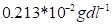 to
to 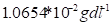 .For all the prospected samples, the electrical
conductivity was measured at
.For all the prospected samples, the electrical
conductivity was measured at  versus elapsed time from dissolution in water. An exponential
variation of the electrical conductivity versus elapsed time was observed and
so an empirical equation was proposed where we distinct two regions (1): a
transitional regime, where the conductivity increases from its initial value
versus elapsed time from dissolution in water. An exponential
variation of the electrical conductivity versus elapsed time was observed and
so an empirical equation was proposed where we distinct two regions (1): a
transitional regime, where the conductivity increases from its initial value . (2): a permanent regime, where the
conductivity remains constant at its high value
. (2): a permanent regime, where the
conductivity remains constant at its high value . The rapidity of establishment of
the permanent regime was characterized by a time parameter,
. The rapidity of establishment of
the permanent regime was characterized by a time parameter, . This parameter depends on irradiated
polymer concentration and dose values. In the permanent regime, the in water behaves like a
polyelectrolyte, this is due to the scission of the polymer chains under gamma
radiation.
. This parameter depends on irradiated
polymer concentration and dose values. In the permanent regime, the in water behaves like a
polyelectrolyte, this is due to the scission of the polymer chains under gamma
radiation.
P062: Synthesis and physicochemical
characterization of a material by different analytical techniques
A. Mekki1, F. Talhaoui, F. Hamidi
Laboratory
Eco-functional and nano-structured materials, University of Science and
Technology Mohamed Boudiaf d'Oran, USTO, B.P.1505 El Menouar, Oran, Algeria
mekki.amel3@gmail.com
Abstract
In this work,
the preparation of the copper-iron doped mordenites was prepared by the ion
exchange method.
The mordenite
zeolite was synthesized from an aluminosilicate gel of stoichiometric
composition: 6Na 2 O / Al 2 O 3 / SiO 2/760 H 2 O, prepared from synthetic
sources: aerosil silica (Degussa) and sodium aluminate (Riedel de Haen).
Crystallization of the synthesis mixtures was carried out at 170 ° C. under
autogenous pressure. Their functionalization by incorporation of ions such as
copper and iron was carried out by ion exchange. For the purpose of identifying
the structures of the synthesized samples and predicting their behavior in the
preparation of the catalysts, the samples were analyzed by DRX Infrared
Spectroscopy, Nitrogen Adsorption and EDX Electronic Microprobe, And
volumetric analysis by nitrogen adsorption.
The experimental
results showed that the materials prepared are very pure and capable of being
tested for the application.
Keywords: mordenite, synthesis, ion exchange,
iron, copper, infrared
P063: CALCULATION OF AVERAGE M SHELL
FLUORESCENCE YIELDS FOR HEAVY ELEMENTS
S. Daoudi1,2, A. Kahoul1,2, Y. Kasri3, Y.
Sahnoune1,2, B. Deghfel4,5, M. Nekkab2,6
1Department of Materials
Science, Faculty of Sciences and Technology,Mohamed El Bachir El Ibrahimi
University, Bordj-Bou-Arreridj 34030, Algeria.
2Laboratory of Materials
Physics,Radiation and Nanostructures (LPMRN), Mohamed El Bachir El Ibrahimi
University, Bordj-Bou-Arreridj 34030, Algeria.
3Theoretical Physics Laboratory,
Physics Department, University of Bejaia, Algeria.
4Laboratory of materials physics and
its applications,Faculty of Sciences, University of Mohamed Boudiaf, 28000
M’sila, Algeria
5Department of Physics, Faculty of
Sciences, University of Mohamed Boudiaf,
28000
M’sila, Algeria
6LESIMS laboratory, University of
Setif 1, Setif,19000, Algeria.
Abstract
Accurate
experimental data regarding the X-ray production (XRP) cross sections,
ionization cross sections and the fluorescence yields are very important
because of the large number of their applications in various areas of physical
chemistry and medical research. Therefore, an accurate average M-shell
fluorescence yield ( ) is required for these
applications. We have calculated the average M-shell fluorescence yield
using the experimental data measured by different groups covering the period
from1955 to 2005. We have interpolated these values of the experimental data by using the analytical function
) is required for these
applications. We have calculated the average M-shell fluorescence yield
using the experimental data measured by different groups covering the period
from1955 to 2005. We have interpolated these values of the experimental data by using the analytical function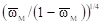 as
function of the atomic number (Z) to deduce the empirical average M-shell
fluorescence yield in the atomic range of 70≤Z≤92. The results have
been compared with other theoretical, experimental and empirical values
reported in the literature and a reasonable agreement has been obtained.
as
function of the atomic number (Z) to deduce the empirical average M-shell
fluorescence yield in the atomic range of 70≤Z≤92. The results have
been compared with other theoretical, experimental and empirical values
reported in the literature and a reasonable agreement has been obtained.
Keywords: Average M-shell fluorescence yield; empirical fluorescence yields.
P064: NEW PROCEDURE CALCULATION OF
L2 SUBSHELL FLUORESCENCE YIELDS FOR ELEMENTS FROM40Zr to 60Nd
Y. Sahnoune1,2,3*, A. Kahoul1,2, Y. Kasri4, S. Daoudi1,2, B. Deghfel5,6, V. Aylikçi7, N.
Küp Aylikçi8, M. Nekkab5
1Department of Materials
Science, Faculty of Sciences and Technology, Mohamed El Bachir El Ibrahimi
University, Bordj-Bou-Arreridj 34030, Algeria.
2Laboratory of Materials
Physics,Radiation and Nanostructures (LPMRN), University of Mohamed El Bachir El
Ibrahimi, Bordj-Bou-Arreridj 34030, Algeria.
3Physics Department, L'école Normale
Superieure Vieux-Kouba,16000 Algiers, Algérie.
4Theoretical Physics Laboratory,
Physics Department, University of Bejaia, Algeria.
5Department of Physics, Faculty of
Sciences, University of Mohamed Boudiaf, 28000 M’sila, Algeria.
6Laboratory of materials physics and
their applications, Physics Department, Faculty of Sciences, University of
Mohamed Boudiaf, 28000 M’sila, Algeria.
7Metallurgical and Materials
Engineering, Faculty of Technology, Iskenderun Technical University, 31600,
Hatay, Turkey.
8Energy Systems Engineering, Faculty
of Technology, Iskenderun Technical University, 31600, Hatay, Turkey.
* E-mail address: sahnoun.y34@gmail.com
Abstract
L X-ray
fluorescence cross sections and fluorescence yields are important for
developing more reliable theoretical models describing the fundamental
inner-shell processes. Experimental, theoretical and empirical data regarding
the X-ray fluorescence (XRF) cross sections and the fluorescence yields are
also important in many practical applications, like elemental analysis by the
X-ray emission technique, basic studies of nucleair and atomic processes
leading to the emission of X-rays and Auger electrons, and dosimetric
computations for medical physics and irradiation processing. Over the years, a
large quantity of experimental data were reported in the literature for L
sub-shell fluorescence yields. Several researchers investigated ωL2
values by using different methods according to different experimental
conditions such as ionization processes, target materials and type of
detectors. The experimental values used in this work to calculate empirical
data for elements from 40Zr to 60Nd relies on the published
experimental data. The experimental data ( ) of the L2 subshell fluorescence
yields were directly interpolated to deduce the empirical values. So an
interpolation using the famous analytical function
) of the L2 subshell fluorescence
yields were directly interpolated to deduce the empirical values. So an
interpolation using the famous analytical function 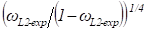 vs the
atomic number Z was proformed to deduce a new empirical L2
sub-shell fluorescence yields for elements in the range 40≤Z≤60. At
last, our calculated empirical L2 subshell fluorescence yields have been compared with other
theoretical and empirical values reported in the literature.
vs the
atomic number Z was proformed to deduce a new empirical L2
sub-shell fluorescence yields for elements in the range 40≤Z≤60. At
last, our calculated empirical L2 subshell fluorescence yields have been compared with other
theoretical and empirical values reported in the literature.
Keywords:L2 sub-shell fluorescence yield,
empirical calculations.
P065: K-SHELL PRODUCTION CROSS
SECTIONS FOR 2-5 MeV ALPHA ON ELEMENTS WITH Z= 25 TO 30
A. Kahoul1,2, Y. Kasri3, Y. Sahnoune1,2,4, S. Daoudi1,2, B. Deghfel5,6, V. Aylikçi7, N.
Küp Aylikçi8, M. Nekkab5
1Department of Materials
Science, Faculty of Sciences and Technology, Mohamed El Bachir El Ibrahimi
University, Bordj-Bou-Arreridj 34030, Algeria.
2Laboratory of Materials
Physics,Radiation and Nanostructures (LPMRN), University of Mohamed El Bachir El
Ibrahimi, Bordj-Bou-Arreridj 34030, Algeria.
3Theoretical Physics Laboratory,
Physics Department, University of Bejaia, Algeria.
4Physics Department, L'école Normale
Superieure Vieux-Kouba,16000 Algiers, Algérie.
5Department of Physics, Faculty of
Sciences, University of Mohamed Boudiaf,
28000
M’sila, Algeria.
6Laboratory of materials physics and
their applications, Physics Department, Faculty of Sciences, University of
Mohamed Boudiaf, 28000 M’sila, Algeria.
7Metallurgical and Materials
Engineering, Faculty of Technology, Iskenderun Technical University, 31600,
Hatay, Turkey.
8Energy Systems Engineering, Faculty
of Technology, Iskenderun Technical University, 31600, Hatay, Turkey.
*
Corresponding author. E-mail address:ahalim.kahoul@gmail.com
Abstract
During the last
decades, the study of phenomena occurring in collisions between charged
particles and target atoms has grown to a field of increasing interest in both
its theoretical and
experimental
aspects. This growing interest is due to the wide applicability of Particle
Induced X-Ray Emission (PIXE) in many fields. When performing sample analysis by
PIXE, one of the essential factors is the production cross section or the
ionization cross section on which relies to a great extent the quantitative
PIXE analysis. In this paper, we report a new empirical formula to calculate K
X-ray production cross sections by alpha-particles impact for elements with
atomic numbers 25≤
Z≤30. In this
formula, we introduced two parameters dependence, the atomic number Z and the
projectile energy E (MeV). Our results for empirical K X-ray production cross
sections are presented for selected elements and compared with other experimental as well as theoretical results;
theoretical production cross sections calculated by using a personal computer
program based on the ECPSSR model; and semi-empirical "reference"
values. Generally, the obtained results are in agreement with theoretical
prediction, reference values and with the experimental results.
Keywords: PIXE, K X-ray production cross section; ECPSSR; fitting;
empirical cross section.
P066: Monte Carlo modelling of the
head of VARIAN CLINAC 2100C linear accelerator operating in 18 MV utilizing
GEANT4/GATE
F. Bezoubiri1 , A. A. Bezoubiri1,
A. Boughalia1, M. Arib2
1: Département de Physique Médicale. –
Centre de Recherche Nucléaire d’Alger (CRNA), 02 Boulevard Frantz – Fanon, B.P.
399, Alger-RP 16000, Algérie.
2: Biomedical Physics Department.
King Faisal specialist Hospital and Research Centre - Riyadh (Saudi Arabia).
Abstract
In this study,
the geometry of the head of VARIAN CLINAC 2100C linear accelerator has been
modeled using GATE/GEANT4 version 7.2. The model developed contains the
majority of the components of the treatment head operating in 18 MV, such as :
the target, the primary collimators, the flatting filter, the secondary
collimators and the jaws. Using this model, associated with a water phantom of
type RFA 200 with dimensions 63x40x44 cm3 situated at a
Source-to-Surface-Distance (SSD) of 100 cm, the interactions of the 18 MV
radiations in water were simulated. The Percentage Depth Dose and the beam
quality specifiers, that characterize the high energy photon beams, such as D20/D10,
%dd(10), dmax(cm), z80(cm), for the field size of 10x10
cm2 were calculated utilizing the phase space technique.
The results
obtained in this study are in good agreement with those obtained in our
previous work using MCNP5 code.
P067: EFFECT OF TEMPERATURE-PRESSURE
ON THE THERMAL PROPERTIES OF THE ALLOTROPIC FORMS OF ZINC SULFIDE SEMICONDUCTOR
R. Nouri1, R. Chemam1, R. Belkacemi2,
H.Meradji1 and S.Ghemid1
1LPR Laboratory, Departement of
Physics, Faculty of Sciences, Badji Mokhtar Annaba university, BP
12 Annaba, 23000, Algeria
2Laboratory Studies of Surfaces and
Interfaces of Solid Matter LESIMS, Departement of Physics, Faculty
of Sciences, Badji Mokhtar Annaba University, BP 12 Annaba, 23000,
Algeria.
Abstract
The small- gap
semiconductors have application in the field of microelectronics. The wide-gap
semiconductor materials are very important for application in the fields of
optical device technology. Zinc sulfide is wide-gap semiconductor that is
attractive material due to the polymorphic structural transformation and it is
suitable semiconductor for applications in numerous areas like optics, electronics,
photocatalysis. ZnS has been used widely as an important phosphor for
photoluminescence, electroluminescence and cathodoluminescence devices due to
its better chemical stability. In optoelectronics, it finds use as light
emitting diode, reflector, dielectric filter and window material. ZnS
nanostructures are expected to play a fundamental role on developing novel
photovoltaic solar cells and creating "Green" renewable energy. In
spite of the studies carried about ZnS, its thermal properties are seldom
known. The free energy of crystals is essential to determine some thermodynamic
quantities. So, for exemple to know the equilibrium concentration of
vacancies (empty spaces) of crystals the semi-empirical method must be
applied. To do this issue, a theoretical model associated with experimental
measurement such as: X-Ray Diffraction spectra i.e. XRD and optical thechnique
are required. Nowadays, after 2000, a current 2nd revolution is
revealed. It is the generalization of quantum mechanics concepts on the
solids. In a parallel direction, the experimental characterizations and
the power of calculations of computers are developed very rapidly. Owing to the
development of the computational power of recent computers and the progress in
the calculation method for the materials, it has become to calculate the
properties of crystals with high exactness from first principles without
any empirical parameters. Today, it is possible not only to explain the already
known properties of a given material but also to predict what property will be
expected for a hypothetical material.
We have
performed density functional self-consistent calculations to investigate the
structural, and thermal properties of three phases of ZnS. The computed ground
state structural parameters, i.e. lattice constant, bulk modulus and its
pressure derivative, are in good agreement with the available theoretical an
experimental works. Thermal and pressure effects on some properties of ZnS
polymorphs are predicted using the quasi-harmonic Debye model in which the
lattice vibrations are taken into account. We have computed the variations of
the volume, bulk modulus, thermal expansion coefficient, heat capacities, Debye
temperature Grüneisen parameter and entropy with pressure and temperature. our
results are well consistent with the available reported experimental data.
P068: THE EFFECTS OF γ- RAY
IRRADIATION ON STRUCTURAL PROPERTIES OF POLYETHYLENE TEREPHTHALATE
K. Chikaoui1 R. Yefsah2 and M. Siad2
1 Laboratoire SNIRM, Faculté de
Physique, USTHB, BP32, El Alia, 16111 Bab Ezzouar, Alger, Algeria.
2Nuclear Research Centre of Algiers
(CRNA), Algeria.
Abstract
The effects of
γ- ray irradiation on structural properties of polyethylene terephthalate
(PET) has been studied using Fourier Transform Infrared Spectroscopy (FTIR).
Several samples were prepared and irradiated at different doses (0.05 – 6.5
MGy) using 60Co source of Nuclear Research Centre of Algiers,
Algeria. The dose rate is about 1.3 kGy/h. It is found that the intensities of
the different absorption bands decrease with increased γ- ray dose
irradiation. The decrease in the intensity of the characteristic bands of the irradiated
polymer is due to the rupture of the bonds and to the degradation of the
structural properties. Moreover, the evolution of the specific bands of the
trans and gauche conformations reveals a change in the amorphous and
crystalline phases of the polymer.
P069: ENERGY DEPENDENCE OF FD-7 RPL
GLASS DOSIMETER AND TLD LiF:MG,Ti AND OSLD AL2O3:C DOSIMETERS FOR MEDIUM ENERGY X
RAYS
A. Benali1,2, G. Medkour Ishak-Boushaki1, A. Nourreddine 3, M.
Allab1
1 SNIRM Laboratory, Faculty of
Physics, USTHB, BP 32 El-Alia Bab Ezzouar, Algiers Algeria.
2 Faculty of Biology, University of
Echahid Hamma Lakhdar, El-oued Algeria.
3 Institut Pluridisciplinaire Hubert
Curien de Strasbourg, France.
Abstract
The aim of this
study was to compare the energy dependence of three kind of luminescent
detectors without filter, Radiophotoluminescent(FD-7 glass) with
thermoluminescent LiF:Mg,Ti (TLD-100) and Optically stimulated luminescent
(Al2O3:C) dosimeters.
In this work, a
Monte Carlo simulation with MCNP5 was carried out to estimate the energy
responses of these dosimeters for medium energy X-rays beams for the energy
range of 50-300 kVp and 60Co γ rays as the reference.
The current
study are compared to previous results in literature. In kilovoltage photon
beams, the dosimeters displayed an increasing response with decreasing energy
with a significant over response factor at 70 kVp of RPLGD and Al2O3:C about
4.39 and 3.40 respectivelly, and a maximum of about 1.40 for TLD-100.
This study has
clearly confirmed that, all three dosimetmers must be used an energy
compensation filter in low energy X-ray (<250 kV).
Keyword: Luminescent detectors, RPLGD, LiF
TLD-100, OSLD Al2O3:C.
P070: Trace element Zinc level in hair and nails of Algerian women with breast cancer using k0-NAA
A. Mansouri1, L.
Hamidatou Alghem2, B. Beladel3, M.E.A. Benamar4
1Nuclear Research Centre of Algiers,
02, Frantz Fanon Street, P.O, Algiers 16000, Algeria
2 Neutron Activation Analysis
Laboratory, Nuclear Research Centre of Birine, Algeria
3Ziane Achour University, Faculty of
Sciences, Department of Physics Djelfa 17000, Algeria
4Laboratoire de Physique Fondamentale
et Appliquée, Université Saad Dahlab Blida (09000) Algéria.
Abstract
The main cause
of cancer death in women worldwide is breast cancer. Trace element zinc can
play a key role in the onset and prevention of breast cancer.
The purpose of
this work is to determine the concentration of trace element zinc in hair and
nails of Algerian women with breast cancer.
16 women with
breast cancer and 08 age-matched normal controls were selected in this study.
The concentration of the trace element zinc studied in hair and nails is
determined using the instrumental neutron activation analysis technique. The
range of concentrations of Zinc in the hair is between 119.3 and 215.6 µg/g for
controls and between 81.73 and 666.9 µg /g for patients with increasing rate
of 39.79 %. The application of t-test for both groups gives (p > 0.05)
at the 95% safety threshold, between zinc concentrations in the hair of the two
groups. The range of concentrations of Zinc in the nails is between 98.8 and
181.7 µg/g for controls and between 75.2 and 215.4 µg/g for patients with
increasing rate of 1.75 %. The application of t-test for both groups gives
(p> 0.05) at the 95% safety threshold, between zinc concentrations in the
nails of the two groups. The influence of age on zinc concentration was
determined.
Keywords: INAA, Zinc, Hair, Nails, Brest
cancer.
P071: Monte Carlo Simulation of an
HPGe detector with MCNP5 code
A. Taibi1, G. Medkour Ishak-Boushaki1 , M. Allab1, Z.Idiri2,
S. Benbouzid3
1 USTHB, Faculté de physique,
laboratoire SNIRM, BP 32 EL ALIA 16111 Bab Ezzouar ,Algiers,Algeria.
2 Centre de Recherche Nucléaire
d’Alger,02 Bd Frantz Fanon, BP 399,Alger-Gare, Algeria .
3 Commissariat à l’Energie Atomique
(COMENA), 02 Bd Frantz Fanon, Algiers,Algeria
Abstract
In γ-ray
spectrometry, HPGe detectors are widely used due to their high energy
resolution. To establish the gamma detection efficiency curve for the
determination of the activities of radioisotopes present in unknown samples,
quantification [1] requires standard samples with the same geometry and
composition which cover the energy range of interest. To avoid this constraint,
Monte-Carlo simulation with MCNP5 (Monte Carlo Neutron and photon transport
code) is suggested. MCNP5 code is powerful, flexible; however it requires the
knowledge of physical parameters such as the dimensions and composition of the
different construction materials of the detector and calibration sources [2].
In this work, the simulation concerns the new Canberra HPGe detector of the
“Division des Techniques Nucléaires” in Nuclear Research Center of Algiers
(CRNA). This detector is 30% relative efficiency and 1.75 keV FWHM at gamma
energy of 1332.5 keV. The different above needed parameters were communicated
by Canberra Industries. The experimental photopeak efficiency using
voluminous standard 152 Eu source at 10 Cm was calculated to validate
our simulated modelisation. Furthermore, true coincidence summing (TCS)
correction factors are determined in closed detection geometry by comparing the
simulated efficiency values to those determined experimentally.
References
[1] C.C Conti, I.C.P. Salina, H. Zulberberg, A detailed procedure to
simulate an HPGe detector with MCNP5, Progress in Nuclear Energy 66(2013)
35-40.
[2] S. Dziri, A. Nourredine, A. Sellam, A. Pape, E. Baussan, Simulation
approach to coincidence summing in γ-ray spectrometry, Applied Radiation
and Isotopes 70(2012) 1141-1144.
P072: investigation and improvement
of the solution neutron spectrum around an 241Am-Be based neutron
irradiator using the traditional unfolding procedure
F. Bezoubiri and H. Mazrou
Division
de physique radiologique – Centre de Recherche Nucléaire d’Alger (CRNA), 02
Boulevard Frantz – Fanon, B.P. 399, Alger-RP 16000, Algérie.
Abstract
Neutron spectrum
unfolding, from the Bonner spheres measurements, is a challenging work since it
requires skills and experience. Furthermore, as the results issued from the
unfolding procedure are often sensitive and dependent on many parameters, in
particular, to the default spectra used, it's important, therefore, to choose
the adequate guess spectrum to initiate the iterative unfolding process of
interest.
Thus, the main
objective of this work is to study the sensitivity effects of the defaults
spectra used in two traditional unfolding codes i, e. MAXED and GRAVEL on the
final solution spectrum issued from Am-Be based neutron irradiator located at
the Secondary Standard Dosimetry Laboratory (SSDL) of CRNA.
To this purpose,
a sensitivity analysis was performed taking into account various default
spectra provided from different cases: a) the photoneutron spectrum generated
around a medical linear accelerator CLINAC 2100C; b) the neutron spectrum
issued from Cf-D2O based-source installed at the German institute of
metrology (PTB), and c) the OB26 irradiation neutron spectrum obtained using a
Bayesian software WinBUGS.
Hence, following
the unfolding process performed, using MAXED and GRAVEL codes, important
dosimetric quantities such as: the total fluence rate, the ambient dose
equivalent, the mean energy and the spectrum averaged fluence-to-dose equivalent
conversion were evaluated for the final neutron spectrum.
Overall, it
reveals that the unfolded spectra derived by MAXED or GRAVEL, using the default
spectra obtained from WinBUGS, are very encouraging and similar compared to
those obtained by the same codes using the Monte Carlo default spectrum
calculated by MCNP5.
P073: THE UV- VISIBLE - IR EMISSION
OF RARE GASES IN DIELECTRIC BARRIER DISCHARGE
N. Larbi Daho Bachir1, I.Z. Ait Menguellat1, A. Belasri1,
B. Caillier2 and P. Guillot2
(1)LPPMCA Laboratoire physique des
plasmas matériaux conducteur et leurs applications université des Sciences et
de la Technologie d'Oran – Mohamed Boudiaf, Algeria
(2)DPHE Plasma Lab , INU Champollion,
Albi, Toulouse University, France
Abstract
The excitation of
rare gases by dielectric barrier discharge provides an efficient arrangement
for the generation of radiation in the UV visible and IR. Excimer lamps,
excited by this method, have recently received much attention for medical and
industrial applications. This work is a theoretical and experimental
investigation of the electrical and kinetic properties of a dielectric barrier
discharge in krypton. The experimental work was carried out in the Laboratory
Diagnostics of Plasmas Out of Equilibrium (Albi-France) DPHE realized for
different operating conditions (pressure, voltage and frequency) based on an
experimental device, composed of a dielectric barrier lamp filled with Krypton.
The discharge is established by the application of a high voltage between two electrodes
placed on either side of an insulating plate. The aim is to characterize the
electrical and optical properties of a krypton lamp whose reference
configuration was developed by the Saint Gobain Research Group. The optical
part is acquired using an OCEAN OPTICS USB4000 spectrometer (177nm-890nm). The
electrical part voltage and current is acquired in parallel. The characteristic
and optimal parameters of operation have thus been determined. Characterization
involves a spectroscopic study of the light emission of the discharge under
different experimental conditions. The optical emission spectroscopy
(OES) technique applied to the DBD Kr allowed us to identify the characteristic
lines of this discharge in the visible and infrared range. Thus a study of the
atomic spectroscopy of this gas to identify the excited atoms and molecules
responsible for different emission ratios is carried out. The optimization
study explored the various parameters of influence such as pressure, applied
voltage and frequency on the electrical and optical behavior of the discharge.
The objective is to improve the emission performance of this lamp.
P074: Assessment of variation of
Cesium-137 in cultivated field for soil erosion estimation
Z. Melzi1, A. Azbouche1, M. Belamri1, T.
Iguer2,Z. Sekhane2
1 Centre de Recherche Nucléaire
d’Alger, 02 Bd Frantz Fanon, BP 399 Alger- Algéria
2 Ecole Nationale Polytechnique, El
Harrach, Alger, Algeria.
Abstract
A new study of
Cs-137 distribution in cultivated soil was carried out at the Fergoug
watershed, wilaya of Mascara for spatial quantification of soil loss for a soil
conservation strategy. Forty-six (46) samples were taken from the experimental
site at the transect with a slope of about 18% along the direction of
cultivation. The samples collected by using a motorized corer at a depth of 70
cm. Six (06) other samples were taken from the surface.
In the
laboratory samples were dried, sieved with diameters <2 mm conditioned and The preparation of soil samples required drying, crushing and sieving
to finally lower than 2mm diameter. The sample analysis was analyzed by gamma
spectrometry technique composed with a high resolution HPGe detector with 1.8
keV to 60Co 1332.5 keV line. The spectrums treatment was carried out
using the Genie 2000 software dedicated to the processing of gamma spectra. The
quantification of radiotracers such as cesium-137 required calibration of the
gamma spectrometry chain in terms of energy and efficiency.
The specific
Cs-137 activities obtained are then converted by applying the proportional
model and the mass balance model for the quantification of erosion and
accumulation points.
The results
obtained show that on our site there are two erosion zones and one
sedimentation zone. The estimated rate of erosion rate was estimated using the
conversion models such as: the proportional model and the mass balance model to
specify the limits and benefits of each model. A comparison was made between
the two models in order to choose the most real model.
Keywords: Fergoug site, Cs-137, Gamma
spectrometry, Conversion models, Erosion rate.
P075: Al, Si, Fe and Cu K
X-RAY PRODUCTION CROSS SECTIONS FOR ALPHA BOMBARDMENT
Y. Kasri1, A. Kahoul2,3, Y. Sahnoune2,3,4,
S. Daoudi2,3, B. Deghfel5,6, V.
Aylikçi7, N. Küp Aylikçi8,
M. Nekkab5
1Theoretical Physics Laboratory,
Physics Department, University of Bejaia, Algeria.
2Department of Materials
Science, Faculty of Sciences and Technology, Mohamed El Bachir El Ibrahimi
University, Bordj-Bou-Arreridj 34030, Algeria.
3Laboratory of Materials
Physics,Radiation and Nanostructures (LPMRN), University of Mohamed El Bachir El
Ibrahimi, Bordj-Bou-Arreridj 34030, Algeria.
4Physics Department, L'école Normale Superieure
Vieux-Kouba,16000 Algiers, Algérie.
5Department of Physics, Faculty of
Sciences, University of Mohamed Boudiaf, 28000 M’sila, Algeria.
6Laboratory of materials physics and
their applications, Physics Department, Faculty of Sciences, University of
Mohamed Boudiaf, 28000 M’sila, Algeria.
7Metallurgical and Materials Engineering,
Faculty of Technology, Iskenderun Technical University, 31600, Hatay, Turkey.
8Energy Systems Engineering, Faculty
of Technology, Iskenderun Technical University, 31600, Hatay, Turkey.
Abstract
Particle induced
X-ray emission (PIXE) has now become a well established technique for
multielemental analysis of both thick and thin targets. The K-shell production
cross sections represent the database of primary importance; they are not only
used routinely in PIXE application but they also provide a calibration standard
for cross section measurements of other shell. We present in this contribution
semi-empirical K-shell production cross section for elements Al, Si, Fe and Cu
by alpha particle in the range 5-15 MeV. Within the individual treatment of
these elements, the experimental databases are normalized to their
corresponding values of the ECPSSR model to deduce the semi-empirical cross
sections. These databases rely on the different compilations available in the
literature. Finally, a comparison is made with the ECPSSR predictions and the
empirical results of other authors.
Keywords: PIXE, K x-ray production cross section; PWBA and ECPSSR
model; semi-empirical cross sections.
P076: CHARACTERIZATION OF SOLID
CATALYSTS BY X-RAY DIFFRACTION
D. Atallah1, T. Affaf1, B. Imene1 and H. R.
Farouk2
1 Laboratory of Chemistry of Materials
LCM, University of Oran 1 Ahmed Ben Bella, Algeria
2 Laboratory of Physical Chemistry
Macromolecular LCPM, University of Oran 1 Ahmed Ben Bella, Algeria
Abstract
X-ray
diffraction has acted as the cornerstone of twentieth century science. Its
development has catalyzed the developments of all of the rest of solid state
science and much of our understanding of chemical bonding. This work presents
the necessary background to understand the applications of X ray analysis to
solid catalysts; Iron and copper exchanged ZSM-5 zeolite catalysts has been
prepared following several strategies of synthesis. Cu-ZSM-5 and Fe-ZSM5 were
characterized by powder X-ray diffraction and X-rays fluorescence technique.
The cell parameters calculated from the crystallographic data, showed that the
structure was slightly modified. Such changes can be explained by the
penetration of the ion Cu2+and Fe3+ in the framework
zeolite, the chemical compositions of the unit cells of the Fe-ZSM-5 (Fe3.51K0.06Na0.2
(Al1.47Si44.4O50.5)) and that of Cu-ZSM-5 (Cu1K0.532Na0.24(Al1.3Si44.5O52.3))
were determined by X-ray fluorescence.
P077: DEPTH PROFILE OF GALLIUM IN Si3N4 et SiO2
L. Aggar, M. Abdesselam, M. Djebara, A.C.
Chami
Département
de Physique des Rayonnements, Faculté de physique USTHB Algiers, Algeria.
E-mail ;
aggarlilia@fhotmail.fr
Abstract
The design of
new materials for environmental and energy applications requires an accurate
control of their conception processes and a full knowledge of their physcial
and chemical properties. Low dimensional materials such as nano-objetcs,
attract growing interest for advanced application purpose, where they get
increasingly involved. Among these
objects, the (Si3N4, SiO2) materials are
widely used in the field of photovoltaics.
The aim of our
study is to probe the impact of ionic implantation in these dielectric matrixes
(Si3N4, SiO2)
on their chemical and physical properties.
The ionic
implantations have been carried out using a high fluency of metallic or
non-metallic ions, namely, Gallium and Nitrogen, above their solubility limit,
in order to trigger the formation of GaN nanoparticles.
The ionic
implantations have been realized at room temperature using the ion beam
accelerator Eaton 200-20 A. The experimental conditions of implantation were
chosen in such a way that the implantation profiles overlap, in order to
optimize the probability of formation of GaN nanoparticles in the silicon
nitride (SiNx) matrix. The silicon oxide SiO2 and silicon
nitride Si3N4 samples have been implanted with:
-
Gallium (69Ga)
using a 5*1016 atoms/cm² fluency at 70 keV, energy.
-
And then implanted
again with nitrogen (14N) using a 6*1016 atomes/cm²
fluency at 35 keV, energy.
Several heat
treatments at 1100°C, under gaseous flux of nitrogen (2 ℓ/min), were
carried out, with different durations. This work focuses on the study of the
ionic diffusion of the implanted ions, within the aforementioned matrixes,
depending on the length of the heat treatments at 1100°C.
To
this aim, several ions beam techniques were used to characterize our samples,
namely, RBS and NRA, in order to determine:
-
Thicknesses,
-
Samples stoichiometry,
-
And chemical profiles
of the implanted ions (Ga) within the thin (SiNx) targets.
We
have developed a code inspired from the D. Shakhvorostov works (NIMB
272 (2012)18), for the extraction of the profile of
implantation from the backscattering spectra. This allowed us to study the
diffusion of the gallium under the conditions of annealing
Topic 4: Nuclear Reactor
Physics
P078: STUDY ON RADIONUCLIDE I-131
RELEASED AS A RESULT of a nuclear accident and its effects on human health and
the environment
F. Zeggar1, M. Belgaid2 and T. Zidi3
1Nuclear Safety Division, Nuclear
Research Center of Draria, BP 43, Sebbala, Draria, Algiers, Algeria
2Faculty of Physics, University of
Sciences and Technology Houari Boumediene Bab Ezzouar, Algiers, Algeria
3AtomicEnergy Commission, 2, Bd Frantz-Fanon, Algiers, Algeria
Abstract
Under severe
accidental conditions with partial or total damage of the core, a significant
fraction of the reactor core inventory called “source term” can be released in
the atmosphere. The dominant radionuclides constituting
the source term include
noble gases (Xe, Kr), volatile (I, Cs, Te) and semi-volatile (Sr, Ba, Rh, Ru)
groups. I-131 as a product of nuclear fission, can be inhaled, or
absorbed through the skin. External exposure to large amounts of I-131 can
cause burns to the eyes and on the skin. Internal exposure can affect the
thyroid gland. The thyroid gland uses iodine to produce thyroid hormones and
cannot distinguish between radioactive iodine and stable (non radioactive)
iodine. In this work, we assess the dose of I-131 that can be absorbed by
people near the hypothetical accident site and the impact on their health and
on the environment in general using specialized programs for this purpose. The
calculated doses of I-131 could particularly contribute to help for the elaboration
of the emergency plan in order to assure the protection of the personnel, the
inhabitants in the vicinity of the nuclear site and the environment.
P079: Nuclear Data Uncertainty
Propagation to Reactivity Responses of NUR Research Reactor: Application on
IV.N configuration
N. Sellaoui1,3, T.
Zidi2, M. Belgaid3, T. Zergoug1
1Nuclear Research Centre of Draria,
Algeria
2Commissariat à l’Energie Atomique,
Algiers, Algeria
3University of Sciences and
Technology, HouariBoumediene, Algeria
Abstract
High accuracy in
physic parameters makes reactor operating efficient and safe. Assessing the
nuclear data uncertainties propagation on integral parameters such as k-eff or
reactivity response is more and more required for nuclear reactor model.
Sensitivity and uncertainty analysis has been performed for NUR research
reactor. This method is based on the adjoint sensitivity analysis using TSAR
(Tool for Sensitivity Analysis of Reactivity Responses) of SCALE package.
Two states of a
reactor system in the IV.N configuration with different temperatures hot and
cold were considered. A TSAR uses computed sensitivity coefficients for the
k-eigenvalues at the two states of a reactor system and combines them to obtain
sensitivity coefficients for the difference. For each state, the k-eigenvalue
sensitivities have been previously calculated using the TSUNAMI-3D control
sequences in SCALE. TSAR combines the reactivity sensitivity coefficients with
nuclear data covariance information to determine the uncertainty in the
reactivity response. The results are used to determine important data
sensitivities which make the largest contributions to the sensitivity and
uncertainties in reactivity response.
P080: COMPARISON STUDY BETWEEN TWO
METHODS FOR CALCULATION OF ATMOSPHERIC DISPERSION
A. Dadda1, A Bouam1,
H. Graine1 and N. Messen1
1Nuclear Research Centre of Birine,
Algeria
Abstract
The monitoring
of pollutant’s emissions in the atmosphere constitutes for the industrialists a
main environmental issue. That they are punctual (emissions of pollutants by a
chimney) or fugitive (accidental releases of drains or storages), the knowledge
and the control of these emissions are important data to quantify and reduce
their environmental impact. In this context, the modeling of atmospheric
dispersion is an interesting tool of analysis for the monitoring of a site and
this paper has permitted the creation of an operational computer code ensuring
the follow-up of pollutants on an industrial or nuclear (I/N) site.
We have
developed a new model to calculate the emissions generated by the chimneys
(point sources) and the dispersion of these emissions in the surrounding area
of the I/N site.
This model is
based by the Gaussian model which is a standard approach for studying the
transport of airborne contaminants due to advection by the wind.
Results obtained
by this model are presented under various annual parameters as; wind, wind
direction, stabilities, gas flow and geometrical characteristics of chimney.
Keywords:Dispersion, site, Gaussian model,
wind, wind direction, stabilities, chimney gas flow, height of chimney.
P081: PROBABILISTIC METHODS BASED
FAULT TREES ANALYSIS FOR NUCLEAR SAFETY ASSESSMENT
D.Kemikem,2 ,
M.Boudour1 , R.Benabid3
1. Electrical & Industrial Systems
(LSEI),USTHB, Algeria
2. Nuclear engineering Department,
CRND, Algiers, Algeria
3. Electrical Engineering Department,
CRNB, A/O, Djelfa, Algeria
Abstract
In order to
better master nuclear safety, reliability characteristicsrelated to safetyhave
been subjects of special consideration.As a consequence, probabilistic methods
were developed to accommodate to the special features of nuclear safety
problems.This paper deals with the reliability and safety analysis and
assessment of benchmark safety systems. For doing so, probabilistic safety
analysis (PSA) method is proposed and developed namely the fault tree analysis
(FTA) method. The FTA method is performed using RiskspectrumPSA®
software. The safety and the reliability of benchmark safety systems are
analyzed and enhanced considering various
cases of standby redundancy systems. The
quantitative FTA provides the failure probability of the top event. However,
the qualitative FTA provides the minimum cut set (MCS). The proposed method is
validated through the comparison of their results based on a set of factors
that are of varying importance depending on the specific factors of each case.
Furthermore, the safety and reliability of the benchmark safety systems are
clearly enhanced using standby redundancy.
P082: CONVERGENCE ASSESSMENT OF THE
MCNP5 MODEL FOR NUR RESEARCH REACTOR
O. Mokhtari1,2, H. Mazrou3
1 Division Sûreté Nucléaire et Radioprotection
–Centre de Recherche Nucléaire de Draria, B.P. 43 Sebala, Alger 16050, Algéria.
2Faculté des Sciences
–Unité de Recherche, Matériaux Procédés et Environnement (UR-MPE)
–Université M’Hamed Bougara, Avenue de l’Indépendance, 35000 - Boumerdès,
Algéria.
3Division de Physique
Radiologique –Centre de Recherche Nucléaire d’Alger (CRNA), 02 Boulevard
Frantz – Fanon, B.P. 399, Alger-RP 16000, Algéria.
Abstract
In recent years,
the Monte Caro (MC) methods have become a reference tool for criticality
calculations. Despite the high precision reached in MC modeling, the
criticality calculations are still faced with the fission source convergence
problem leading, thereby, in some cases to incorrect results.
Consequently, to
prevent from these specific issues, a convergence assessment has been carried
out, in this work, for MC model of the NUR research reactor initial core.
To this end, the
effective multiplication factor keff, and the Shannon entropy of the
fission source, Hsrc, were evaluated for various M, the number of
neutrons per cycle, and for different positions of the initial fission source
in the reactor core. From the obtained results, it reveals that: a number of
10000 or more neutrons/cycles were needed to reduce bias on keff and
at least 30 inactive cycles are required to allow keff convergence.
Whereas, the choice of a point source in each fuel element or in each fuel
plate are the preferred assumptions. As for, the number of active cycles it can
be fixed according to the reasonable uncertainty that a user may accept for the
effective multiplication factor, keff.
Keywords: Monte Carlo, keff,
Source convergence, Shannon entropy.
P083: THERMAL EFFECT ON THE
REACTIVITY OF OKLO NATURAL NUCLEAR REACTORS, MONTE CARLO SIMULATION
M. Guerrache1, S.E. Bentridi2, N. Amrani1 and B. Gall3
1Laboratory for dosage, analysis and
characterization in high resolution, UFAS-1, Sétif, Algeria
2 Laboratory of Energy and Intelligent
Systems, UDBKM, Khemis-Miliana, Algeria
3IPHC/UDS, Strasbourg, France
Abstract
The Oklo
phenomenon discovered in a 2 billion years old uranium deposit remains a
scientific mystery for 45 years since its discovery. A complete understanding
of this phenomenon needs to associate neutron physics with geological
statements. The occurrence of criticality of the Oklo reaction zones has been
explained in previous works (NAUDET 1991, BENTRIDI 2011), but the functioning
and operating of such systems in nature, needs also to study the effect of
temperature on the criticality evolution. The observation in-situ stated that
the fifteen reaction zones discovered in Oklo deposit were located at different
depths, which makes the temperature and pressure change from one zone to
another. This will imply a variation of the fluid density under those both
parameters with taking into account the geological context.The effect of
temperature is studied in the present work, by numerical simulation carried out
with the widely used code MCNP for a homogenous spherical core, to obtain the
multiplication factor Keff, implying reactivity r. It was possible to define some
thermal effects contributions as a variation of pcm/°C.
P084: MODEL OF NEUTRON DOSIMETER FOR
CRITICALITY ACCIDENT SITUATIONS
H. Hasnaoui1,2,*
and E.A.Kramer Egeev2
1 Centre de Recherche Nucleaire
d'Alger(CRNA). Algeria
2National Research Nuclear
University(MEPhI).Moscow. Russia
*Corresponding
author: kkhasnaui@mephi.ru
Abstract
Neutron
dosimetry in the case of criticality accidents is complex. In this work we
proposed a model of neutron dosimeter capable of measuring neutron kerma on the
surface of the body of the person accidentally exposed to high doses of
radiation. The dosimeter contains set of activation detectors with
following reactions: 63Cu(n,ᵞ), 103Rh(N,INL)) and 199Hg(N,INL)
et 56Fe(n,p)), and an albedo dosimeter. The dosimeter must
give information on the neutron spectrum as well on the total absorbed
dose. The Monte Carlo Code MCNP5 was used to study the albedo dosimeter
response to the most likely neutron spectra during accidental exposure. The
simulation is carried out according to the method recommended by ISO. A TLD
dosimeter was proposed for measuring gamma dose.
Keywords: Neutron dosimetry, criticality
accident , kerma , activation detectors , albedo, MCNP5.
P085: Study of Transmutation Rate of
Long Lived Fission Product: Iodine-129
F.Tighemine , A. Boucenna, N. Amrani
Physic
Department, Faculty of Sciences, Dosing, Analysis and Characterization in High
resolution Laboratory , Ferhat Abbes University, Setif1, Algeria
Abstract
Transmutation is
the transformation of one chemical element into another by a modification of
the atomic nucleus of the element. This technique is used in accelerators and
nuclear reactors, particularly for long-lived nuclear waste. Iodine 129 is a
nuclear waste that has a lifetime of 15.10E6 years. The transmutation is done
after a separation and preparation of the targets to irradiate them. In this
study the calculations of transmutation rate with ChainSolver codeare defined
for high neutron fluxes in BR2 high flux reactor. These results are compared
with the experimental results and the results calculated by Calculation codes
such as SCALE and MCNP.
P086: MONTE-CARLO OPTIMIZATION OF A
CHANNEL NEUTRON-BEAM USE FOR NEUTRON DIFFRACTION
M. Hachouf*, N. Benaskeur and F. Riahi
Nuclear
Research Centre of Birine, Bp 180-Ain Oussera-17200 - Djelfa- Algeria,
Tel/Fax:
213 27 809806/13, m_hachouf@yahoo.fr
Abstract
The installation
of neutron diffraction technique for several applications such as liquids and
amorphous, crystal structure, strain analysis, or magnetic characterization of
materials requires the full establishment of the energetic neutron flux
distribution at the exit of the considered nuclear reactor channel. Monte-Carlo
simulation is useful tool for the outgoing neutron beam characterization and
the diffraction tests on many samples of different nature.
Our study aims
to optimize the exploitation of the horizontal channel H4 of the Es-Salam
research reactor for multiple neutron diffraction analysis using different
resolution conditions according to the wave length-flux distribution and the
characteristic parameters of each characterization. The obtained results permit
the establishment of the possible upgrading conditions of our neutron
diffractometer for materials study.
P087: SCATTERING EFFECT OPTIMIZATION
IN NEUTRON IMAGING BY SCALE SIMULATION
N. Benaskeur*, M. Hachouf, H. Benkharfia, A. Khalfallah
Nuclear
Research Centre of Birine, Bp 180-Ain Oussera-17200 - Djelfa- Algeria,
Tel/Fax:
213 27 809806/13, Email: n_benaskeur@yahoo.fr
Abstract
Monte-Carlo simulation
is useful tool for neutron transmission characterization and neutron
attenuation data analysis in neutron imaging. In experiment, secondary effects
affect the measurement data and consequently the interpretation. Good
quantification of the obtained transmission data requires the consideration of
these effects and the associated statistical errors generated in the obtained
images.
The present work
aims to optimize the experimental conditions by using the SCALE code to
minimize the scattering effect contribution in the neutron transmission data in
order to obtain good image quality. We have applied this concept on several
materials with different neutron attenuation coefficient. The obtained results
for Al, Fe, Mo, Mn and Pd have permitted to get the required threshold distance
for the good determination of the neutron attenuation characteristics of these
materials.
P088: Calculation of neutronic
parameters from isotopic analyses of Oklo spent fuel samples (RZ2)
K. Ziche1, S.E.
Bentridi2,3, H. Hidaka4, N. Amrani1, B. Gall3,
A. Boucenna1
1DAC Laboratory, Physics Department,
Faculty of Sciences, Ferhat ABBAS University, Sétif 19000, Algeria
2 Laboratoire de l’Energie et des
Systèmes Intelligents, U.D.B.K.M, Route de Theniet El-Hed 44225, Algéria.
3 Institut Pluridisciplinaire Hubert
Curien, UMR 7871, 23 rue du Loess 67037 Strasbourg, France.
4 Department of Earth and Planetary
Sciences, Nagoya University, Nagoya 464-8601, Japan
Abstract
The Oklo nuclear
reactors in Gabon, ignited naturally two billion years ago, were discovered in
June 1972. Since this day, some fifteen of reaction zones (RZ) were located.
The operating of these reactors produces radioactive elements similar to those
found in irradiated fuel. The aim of this work is to calculate the neutron
parameters of the Oklo reactors using isotopic and chemical analyses of the
fission products, essentially the rare earths elements.
The Oklo natural
nuclear reactors present a real case of long-life operating nuclear system
induced by a thermal neutron flux. Besides that, it presents also natural
analog of nuclear waste geological storage. That what permit to scientists
today to discover the traces and signature of 2 billion years old, fission
nuclear reactors. The main explanation of such phenomenon was the signature of
fission rate given by chemical and isotopic analyses of samples provided from
the uranium deposit were the U235 anomaly was detected.
It is possible
with some simple equations to define a mathematical model to determine some neutronic
parameters, like fluence, spectra index, conversion factor, age of reactions
and reaction duration, by the use of isotopic analyses of depleted uranium and
fission products as it was done by RUFFENACH.
Mainly, the
stable fission products with some features like capture section, rate fission
and abundance, may give us a very useful information about the operating of
Oklo reactors.
Accuracy of such
calculations is based on the calculation of neutron effective cross section
under temperature conditions equivalent to the Oklo case.
P089: ESTABLISHMENT OF THE REFERENCE
LEVEL OF RADIOACTIVITY AROUND NUCLEAR INSTALLATIONS
M. Mebarka1and A. Noureddine2
1Nuclear Research Center of Draria
CRND),Draria,Algiers,Algeria
2Nuclear Research Center of Algiers
(CRNA),02 Bd Frantz Fanon, Algiers,Algeria
Email :
mmebarka@hotmail.com,
noureddine_abdelkader@yahoo.fr
Abstract
The main objective of this work is to
characterize the different compartments of the environment, by considering air,
soil and fresh water samples, in order to establish a reference level of
natural and artificial radioactivity. Thus, soil samples were collected from
different undisturbed areas in Nuclear Research Center of Draria (CRND).
Samples were collected, conditioned and analyzed by direct counting by gamma
spectrometry in the Environmental Laboratory of Nuclear Research Center of
Algiers (CRNA). The results clearly show the presence of a normal rate of
natural radionuclide in soil samples. As for artificial radioactivity, it is
represented by trace amounts of 137Cs in the soil, resulting likely
from the nuclear weapons tests or nuclear accidents, such as Tchernobyl.
Keywords: Radioactivity, 137Cs,
Air, Soil, water, gamma spectrometry.
P090: SPHERICAL FUEL FOR HIGH TEMPERATURE NUCLEAR
REACTORS; THERMAL HYDRAULIC ANALYSIS
E.M. Medouri1, D. Ailem1, K. Sidi Ali2 and T. Belmrabet1
1 EMP, Bordj El Bahri, Alger, Algeria
2Nuclear Research Center of Draria, Algiers,
Algeria
Abstract
High temperature gas nuclear
reactors of GEN III and GEN IV use spherical fuels. Understanding the behavior
of these spherical fuels allows safe operation of the nuclear reactor. In this
work, a spherical fuel such as those used in PBMR or HTR-PM nuclear reactors,
is studied. The calculations are carried out for a gas flowing around the
spherical fuel. Four inert gases, namely air, helium, carbon dioxide and
nitrogen are investigated in three dimensions of space. The equation set-up is
based on the resolution of the conservation equations of mass, momentum and
energy. The k-omega turbulence model is used for the evaluation of turbulent
viscosity. The main results obtained deal with the evolution of the pressure
and the shear stresses around the fuel sphere as well as the evolution of the
Nusselt number and the surface heat transfer coefficient. From the obtained
results, one can see that the greatest rate of heat transferred from the
spherical fuel is the one when helium is used. Following this, a parametric
study is made to know the optimum gas velocity to use safely. This study shows
also that the other three gases can also be used even in emergency situations,
as the melting temperature of clad is never reached
P091: 3D STUDY OF THE DIRECTION OF GAS RELEASES FROM
THE NUCLEAR SITE OF DRARIA
A. Dorbane1, K. Sidi Ali2 and M. Bellaloui2
1USTHB, Bab Ezzouar, Algiers, Algeria
2Nuclear Research Center of Draria, Algiers,
Algeria
Abstract
The simulation of the dispersion
phenomenon of gas releases from the nuclear site of Draria in air is done, in
three dimensions of space, using CFD (Computational Fluid Dynamics)
calculations. The mesh of the Draria nuclear site is carried out by GAMBIT and
the resolution of the conservation equations of mass, momentum, energy and
species was done using the finite volume method implemented in the simulation
code FLUENT. The study is conducted by the location of a fictitious chimney
near the nuclear reactor building from which the gas release is made. The gas
release is studied for several chimney heights. To obtain satisfactory results,
the sensitivity to the mesh is studied and presented. For all these gas release
heights, the dispersion of the gas release over the whole site is calculated as
well as the different concentrations depending on the distance traveled by the
gas. To account for the density of the gas released, four gases of different
densities are used. All the results of the 3D simulations are presented and
commented. The obtained results allow to understand and to follow the gas
direction, the height of its starting point, its propagation in a radius close
to its starting point and the direction it will take all around the buildings
of the nuclear site.
P092: PHOTON NEUTRONS SOURCE EVALUATION IN HEAVY WATER
RESEARCH REACTOR
S. Djaroum and H.Benkharfia
Birine Nuclear Research
Center/COMENA
Corresponding Author
email: djaroum_said@yahoo.fr
Abstract
This work consists to determine photoneutrons
intensity in the heavy water research reactor after a long shutdown (up to one
year). The photoneutrons source is useful to start up the reactor without
external source. We know that for heavy water reactor, the origin of
Photoneutrons is due to nuclear reaction between gamma rays from the precursors
and Deuterium. First, is suitable to evaluate the gamma rays intensity and
then, estimate their reaction rate in heavy water which is proportional to
Photoneutrons intensity. The gamma rays intensity is determined by SCALE code
with ORIGEN-ARP module and the nuclear cross section 2D(γ, n)1H
is taken from AIEA data base. It is important to precise that the data library
for heavy water reactor assembly used in ORIGEN-ARP is obtained by
TRITON-ARPLIB modules (Cross Section is function of burnup from 0 to
10000MWD/TU). For the first start up of heavy water research reactor, generally
Am-Be source with intensity 1.23E+06n/s is used. The value of the intensity of
photoneutrons source obtained is about 1.22E+06n/s. As we see, this value is in
the same order than that of Am-Be source. Then, we can conclude that, after a
long shut down (900 days), it is possible to run the heavy water research
reactor without external source.
Keywords: ORIGEN-ARP, TRITON-ARPLIB, Photoneutrons, SCALE
P093: STUDY OF DYNAMIC CHAOS IN NUCLEAR REACTOR WITH
COUPLED TWO TEMPERATURE REGIONS AND DISCRETE REGULATION SYSTEMS
A. Raked2, A. Seghour 1, A. Chafa 2
1Centre de Recherche Nucléaire d’Alger, 2
Boulevard Frantz, BP 399, Alger-Gare, Algeria
2Laboratoire SNIRM, Faculté de Physique, USTHB,
BP32, El Alia, Bab-Ezzouar, Alger, Algeria
Abstract
The problem of the stability of a nuclear reactor by a discrete regulation system was investigated within the framework of the point model and a single temperature for
slow processes that are by far more useful for all nuclear reactor control
problems. In this case, the mathematical equations may be considered as
linearized and the inertia of the fast feedbacks and the lifetimes of the prompt and delayed neutrons can be neglected.
The existence of a discrete regulation system in a reactor is inherent nonlinear which result in
self-excited oscillations of the neutron density and other parameters. Postnikov studied the dynamic of the a
nuclear reactor with the regulatory systems and demonstrated the appearance of dynamic chaos in a reactor by positive single feedback temperature in a boiling water reactor [1].
In the present work
we determine and investigate new cases of the appearance of chaos for more complicated
feedback for two coupled regions of temperature with the nonlinear control
algorithms with slow processes stabilization. It is shown that, even in this
case, the stochastic oscillation can arise.
References
[1] N.S.Postonikov, At Energ.67.N
4,251-255 (1989).
P094: Dynamics of Oklo natural reactors
B. Gall1, S. E. Bentridi1,2, F. Gauthier-Lafaye3,
H. Hidaka4
1Institut Pluridisciplinaire Hubert Curien, UMR 7871,
23 rue du Loess 67037 Strasbourg, France.
2 Laboratoire de l’Energie et des Systèmes
Intelligents, U.D.B.K.M, Route de Theniet El-Hed 44225, Algérie.
3 Laboratoire d’Hydrologie et de Géochimie de
Strasbourg, 1 rue Blessig, 67084 Strasbourg, France.
4Department of Earth and Planetary Sciences,
Nagoya University, Nagoya 464-8601, Japan
Abstract
The Oklo phenomenon discovered in a
2 billion years old uranium deposit remains a scientific mystery for 45 years
since its discovery. A complete understanding of this phenomenon needs to
associate neutron physics with geological statements. The occurrence of
criticality of the Oklo reaction zones has been explained in previous works
(NAUDET 1991, BENTRIDI 2011) but the questioning about how did those systems operate
and evolve in their geological environment. The exploitation of Gabon's uranium
mines in the 1970s led to the discovery of fifteen natural nuclear reactors.
These reactors diverged spontaneously 1.950 billion years ago and have operated
from a few tens of thousands of years to a few hundred thousand years for the
longest ones before definitive shutdown. Traces of these reactors as well as
the presence of stable descendants of fission products and activation products
have led to many studies in terms of reactor-physics and migration of
radioactive elements in nature. Some of them even studied these sites as
natural analog of nuclear waste deposit. The mystery of the start-up of these
reactors was only solved a few years ago thanks to modern neutron modeling
tools.
After an introduction on what is
known about natural Oklo reactors, this first part of the talk will be
dedicated to the explanation of the Oklo phenomenon, both for the geological
aspects as for the aspects of physics and neutronics.
Topic 5: Radiation in Medicine
P095: COMPARISON OF TWO FULL FIELD DIGITALMAMMOGRAPHY
SYSTEMS:IMAGE QUALITY
AND RADIATION DOSE
A. Merad, S. Saadi and N. Khelassi-Toutaoui
Algiers Nuclear Research Center, 02
Bd Frantz Fanon,BP399,Alger-Gare,Algeria
Abstract
Full field digital mammography
(FFDM) has been progressively introduced in medical centers in recent years.
The goal of this study was to
compare the average glandular doses (AGD) and image quality of two FFDM systems
namely IMS Giotto and General Electric Senographe Essential.
The AGD was calculated according to
Dance et al by using the measured entrance surface kerma, acquisition
parameters and c,g,s
factors.
The image quality was assessed
quantitatively by measuring the contrast to noise ratio (CNR) value using
a PMMA homogenous phantom of 2, 4, 6 ad 8 cm thicknesses and a small
contrast object (foil of 0.2 mm Al)Following the European protocol.
The obtained values were used to
calculate the Figure of Merit (FOM).
Measures analysis showed that there
is a significant difference value of AGD and CNR for thicknesses
greater than 4 between the two FFDM systems.
A comparison of the CNR values
in this study meets those recommended in the European protocol.
GE Senographe Essential system
contributed the highest AGD value while IMS Giotto had the highest CNR and FOM
value.
P096: Comparison and validation of dose distribution
in thorax phantom using Gate V7/Gate V6
K. Ouabri1.2, R. Khelifi2, E. Dahi 3
1University of Science and Technology Houari
Boumediene (USTHB) - Department of Radiation Physics.-Faculty of
Physics,Alger,Algeria
2University of Saad Dahlab of Blida
(USDB)-Laboratory of Theoretical physics and physics of the Interaction
Radiation Material (LPTHIRM),Blida,Algeria
3University of Aboubekr Belkaid of
tlemcen-Faculty of Science, Department of Physics,Tlemcen,Algeria
Khadidjaphysique@live.fr /
khadidjaouabri@gmail.com
Abstract;
In conformational radiotherapy, the estimation
of the absorbed dose to tumors and healthy tissues is a tool for evaluating and
optimizing treatment.
Dosimetry for photon beam used in
external radiotherapy cannot be performed analytically without restrictive
approximations, Techniques Monte Carlo are an alternative.
Gate (http://opengatecollaboration
.org) is a Monte Carlo simulation platform based on the GEANT4 code dedicated
to SPECT/TEP applications and radiotherapy/brachytherapy, Geant4 and Gate,
through the fGATE project, are currently being validated for dosimetry
applications
The purpose of this work is to
compare and validate gate version 6.1 and gate version 7.2 for radiotherapy
using photon beams of 6 Mv of a Varian TrueBeam STX accelerator in realistic
clinical conditions
A 6 MV Photon beam derived from a
Varian TrueBeam STX accelerator was modeled with Gate 6.1 and gate 7.2 codes.
In the first part, the modeling of the accelerator was validated by comparison
of dose profiles and PDD (percentage depth dose) simulated and measured in homogeneous
water phantom. For the second part; is to validate and compare the two gate
versions by dose distribution in a Thorax phantom
The comparison of the dose profiles
and PDD simulated with that measured shows a good agreement. Furthermore Gate
7.2 allows the calculation of dose distribution with the same level of accuracy
P097: Dose Assessment in 2D and 3D Mammography
S. Saadi1, A. Merad1, N. Khelassi-Toutaoui1, M. Boubrit2
1Centre de Recherche Nucléaire d’Alger,02 Bd Frantz
Fanon,BP399,Alger-Gare,Algeria
2Centre
Hospistalo-Universitaire Isaad Hassani, Beni-Messous,Alger,Algeria
Abstract
Mammography remains the gold
standard for screening for breast cancer. In Algeria, Many medical imaging
departments are presently moving to the digital modalities. However, digital
mammography CR, DR and tomosynthesis are now available, allowing the
radiologist to capture and manipulate the images so abnormalities can be seen
more easily. Breast dosimetry is an important part of quality assurance program
and an essential tool to optimize breast imaging procedures.
The aim of this study is to compare
two techniques 2D and 3D imaging using a specific metric called ‘Average
Glandular dose (AGD)’ in mGy. Direct measurements on 32 patients were carried
on in the public hospital CHU Beni-Messous with digital mammographic system
‘Giotto tomo-IMS’ including right and left craniocaudal (CC) and mediolateral
oblic (MLO) views.
Patient related data are represented
by the range [min-max], average, median value and standard deviation of the
measurements in the 2D and 3D modalities. The relative discrepancy between AGD
(2D) and AGD (3D) was 55%.
A particular attention must be
accorded to the optimization of patient doses in mammography due to the latest
recommendations formulated in ICRP103.
Keywords: Breast dosimetry, Average glandular
dose, Mammography, Tomosynthesis.
P098: EFFECT OF ENERGY SPECTRUM ON REFERENCE KERMA
RATE CALCULATION FOR SEALED SOURCES USED IN RADIOTHERAPY
D. Guedioura, Z. Sakhri-Brahimi, N. Khelassi-Toutaoui.
Centre de Recherche Nucléaire
d’Alger, 02, Boulevard Frantz Fanon, BP, Alger, Algérie.
Abstract
For brachytherapy applications, the
process of setting up the treatment involves several steps including reference
kerma rate calculation using a treatment planning system.
Generally for calculations, the
simplest and most frequent is the use of the weighted average energy of the
radioelement. The aim of this work is the study of the effect of the energy
spectrum on the reference kerma rate around the sealed sources used in
brachytherapy.
The sources chosen for this study
are a grain of Cs137 type CDC1100, a wire of IR192 type IRF2 used in low dose
rate brachytherapy and a grain of Co60 type Ao086 used in high dose rate
brachytherapy. The spectra used are the reference spectra extracted from the
Radioisotopes data table (RITD). A comparison is made between the kerma
rate calculated using the weighted average energy and the total spectrum. The
results of this study show a difference of 6.28%, 4.25% and 0.05% for Cs137
Ir192 and Co60 source’s respectively. For these comparisons, and for a better
estimate of the reference kerma rate, we must take into account the energy
spectrum of the radioelement.
P099: REFERENCE KERMA RATE EVALUATION USING SIEVERT
INTEGRAL FOR EXTENDED SOURCE
Z. Sakhri-Brahimi, D.
Guedioura, N. Khelassi-Toutaoui.
Centre de Recherche Nucléaire
d’Alger, 02, Boulevard Frantz Fanon, BP399,Alger-Gare, Algéria.
Abstract
For dose determination in brachytherapy,
the calculation requires a good knowledge of the geometrical and physical
characteristics of sealed sources, as well as the composition of medium in
which it is implanted.
Various models of dose calculation
are proposed and used in practice. The present work aims to perform an
analytical calculation of the reference kerma rate (apparent activity) using
Sievert integral in the case of filtered extended source rather than the
isotropic source hypothesis. The Sievert integrals are available in tabulated
forms, as they can also be solved using numerical methods.
In conclusion, it can be said that
the Sievert integral which supposes that the energy fluency emitted by the
primary photons is attenuated exponentially inside the capsule thickness, it concerns
the calculation of the dose distributions at two-dimensional and neglects the
contribution of the scattered radiation in considered biological
medium. Furthermore, it considers one source with zero diameters. This
will not take into account the directional effect of the radiation coming from
the source. Hence, it is important to introduce new dose calculation formalisms
in order to take into consideration the real form of the source and medium
composition.
P100: DOSE DISTRIBUTION OF THE CURVED RADIOACTIVE
SOURCE HDR-60Co IN WATER
M. Hank and R. Khelifi
LPTHIRM , faculté des sciences,
Université Saad Dahlab, Blida-1- ,Blida,Algeria
e-mail :hankmessaoud2000@yahoo.fr
Abstract
We developed a program with the MATLAB
code to calculate the dose distribution around curved radioactive source of
60Co. The program calculates the dose distribution in two dimensions and the
curved source is equivalent to the seed of 60Co on the applicator with the
technique of pulsed dose.
We have simulate the dose
distribution in water from a seed source of 60Co in an cylindrical geometry
with the code MC “EGSnrc” and calculate the dose by using the superposition
method, with this two component (MC simulation and superposition technique). A
comparison of dose distribution with other work like “the algorithm sagiplan”
was made; the difference between the two methods is within 1-2% on the region
form 1cm up to 15cm from the curved source and 10-15% near the source. In the
later case this difference is due to the high gradient of dose near the source
according to the distance.
Keywords: Monte Carlo code EGSnrc and the
superposition method.
P101: STUDY OF VACCINATION OF MICE WITH GAMMA (γ)- ATTENUATED PROTOSCOLEX
S. Hadj Rabia1, A. Mokhtari1, R. Nouri1,A. Benzaid1&
A. Baz2
1 Nuclear Applications Department, Nuclear
Research Center, B.P. 43 Sebala- El Achour-Draria, Alger,Algeria
2 Laboratory of cellular and animal
physiology, Superior Normal School, B.P.,92 Kouba, Alger,Algeria
Abstract
Cystic hydatid disease is caused by
the larval stages of the cestode and affects humans and domestic animals
worldwide. Protoscoleces are one component of the larval stages that can
interact with both definitive and intermediate hosts. The principal
investigation of this study had been undertaken to assess the potential role of
using a radio-attenuated form of these protoscoleces as a prophylaxis agent, by
finding out its effectiveness for developing a protective immunity in a murine
model against hydatid disease.
Mice were immunized with gamma
(γ)-irradiated protoscoleces. A second immunization was given after 15
days of first immunization. After two immunizations, mice were infected
with intact protoscoleces. Protection against hydatidosis was evaluated by a
macroscopic study of the development of the cysts in the target organs as well
as by a histological examination performed on the liver.
It was observed that mice having
prior immunization with radio-attenuated parasites showed protection against
the challenge dose through a decrease in the number and diameter of the cysts
as well as the changes and structural damage observed at the microscopic scale.
The vaccination using protoscoleces
radio-attenuated appeared effective in terms of the incidence rate of disease
and the resulting immunoprotection.
P102: Theoretical studies of structures and stability
of Technetium and Rhenium-Tricarbonyl complexes
A. Bourouina1, M. Rekhis1
Theoretical Computational Chemistry and
Photonics Laboratory, Chemistry Institute, USTHB, Alger,Algeria
Abstract
Radiopharmaceutical chemicals are
routinely used in nuclear medicine for both diagnostic and therapeutic purposes
[1–3]. Currently, 99mTc is the radionuclide most commonly employed in
radiopharmacy due to its nuclear properties, availability, and low cost [1–5].
99mTc radiopharmaceuticals account for nearly 80 % of diagnostic studies in
nuclear medicine.
These agents are available to image almost
all important organs of the body. On the other hand, 186/188Re are considered
useful radionuclides for targeted radiotherapy applications
[1, 5]. In this work, a
computational study of different tricarbonyl complexes of Re(I) and Tc(I) was
performed using density functional theory. The solvent effect was simulated
using the polarizable continuum model. The effect of the nature of the
substituted group on the phenyl pendant arm (X = NO2, CF3, or Cl) on complex
stability was studied. Additionally, the influences of the bridge length
[furan, thiophene, pyrole) were also evaluated. Moreover, a comparison of the
relative stabilities of Tc and Re complexes was carried out. The calculations
were performed using the Gaussian 2016 program package.
References
[1]. Alberto R (2011) Metal-based
radiopharmaceuticals. In: Alessio E (ed) Bioinorganic medicinal
chemistry.WileyVCH,Weinheim, pp 253–282
[2]. Welch MJ, Redvanly CS
(eds)(2003) Handbook of radiopharmaceuticals: radiochemistry and applications.
Wiley, Chichester
[3]. Saha GB (2010) Fundamentals of
nuclear pharmacy, 6th edn. Springer, New York
[4]. IAEA (2007) Labelling of small
biomolecules using novel technetium-99m cores, vol 459. Technical reports
series.IAEA,Vienna
[5] Alberto R (2012) Application of
technetium and rhenium in nuclear medicine. COSMOS 8(1):83–101
P103: CHARACTERIZATION OF A SCINTILLATING FIBER AND
SILICON PHOTOMULTIPLIER DETECTOR FOR IN-VIVO DOSIMETRY FOR BRAQUITHERAPY
N.H. Boughaba1, N. Yahlali2, B. Bouzid1, J. Díaz2
1Laboratoire SNIRM, Faculté de Physique, USTHB,
BP32, 16111, El Alia, BabEzzouar, Alger, Algeria
2Instituto de Física Corpuscular
(IFIC), Universidad de Valencia, Spain
Abstract
In vivo dosimetry has been used in
brachytherapy for decades with a number of different detectors and measurement
technologies. These detectors, despite of their advantages, have limitations
for their clinical use as in-vivo dosimeters. Plastic scintillating fiber
coupled with a silicon photomultiplier (SiPM) readout by an electronic chain
for signal processing, possesses a number of dosimetric characteristics
advantageous for in vivo dosimetry, like water equivalence, small size,
real-time linear response and energy independence. The goal of the present
doctoral work, developed in collaboration with the Institute of Corpuscular
Physics (IFIC) of Valencia, is the design and construction of a scintillation
dosimeter prototype for brachytherapy application.
The development of the scintillation
dosimeter requires the precise characterization of its components: the
scintillation fiber, its optical light guide and the coupled photo-sensor, a
silicon photomultiplier (SiPM), which consist in a high-density matrix of
photodiodes with a common output lead. Each diode is operated in a limited Geiger
mode. This device is sensitive to single photons. The scintillation fiber and
SiPM dosimeter fulfill all main requirements for in-vivo dosimetry; however,
silicon-based technology is sensitive to temperature. In the present work, we
present the characterization of the SiPM to temperature changes in the range of
clinical operation between 15 and 41 oC, and the solution developed
for the stabilization of the SiPM gain for in-vivo dose rate measurements during
braquitherapy treatments. This work has been recently performed at IFIC and is
essential for the development of the electronic readout of the dosimeter.
Keywords: Dosimeter, Scintillating optical fiber, Silicon photomultiplier,
Brachytherapy
P104: THE VALIDATION OF RADCALC FOR CLINICAL USE, AN
INDEPENDENT MONITOR UNIT VERIFICATION SOFTWARE
J. Akunzi
1 Centre Antoine Lacassagne, France
Abstract
Based on ICRU recommendation, dosimetry
systems must be capable of delivering dose to an accuracy of 5%, thus the dose
calculation accuracy should be verified including by an independent monitor
unit (MU) calculation software before treatment execution. This is especially
relevant in 3D conformational radiotherapy as well as in complex technique such
as volumetric modulated arc therapy (VMAT/RapidArc). RadCalc, a commercial
software base on modified Clarckson algorithm has been developed in the purpose
of performing MU calculation for complex plans. The validation of RadCalc in
3D-CRT and RapidArc technics for clinical use in Antoine Lacassagne center has
been undertaken. RadCalc doses calculations have been evaluated against
treatment planning systems (TPS) calculations (Isogray for 3D-CRT and Eclipse
for RapidArc) and the doses measured in water equivalent solid phantom with
ionization chambers.
The RadCalc computed dose for
selected MU showed good agreement with doses computed by TPSs in 3D-CRT plans
as well as in RapidArc inverse plans. Ionization chambers measurements agreed
well with RadCalcl and TPSs. In most of the treatment plans doses calculated
with RadCalc corroborate well with measured and TPSs computed ones.
P105: MONTE CARLO SIMULATION OF X-RAYS SPECTRA
PRODUCED BY X-RAYS GENERATORS FOR IMPROVEMENT OF LOW ENERGY DOSIMETRY USED IN
RADIOTHERAPY
A. Betka1,2 , A. Azbouche3 and A. Benthabet2
1 Département de Physique, Faculté des Sciences,
Université Sétif 1, 19000, Algeria
2 Laboratoire de Recherche: Caractérisation et Valorisation
des Ressources Naturelles, Université Bordj Bou-Arreridj, 34000, Algeria
3 Centre de Recherche Nucléaire d’Alger, Alger
16000, Algeria
Abstract
PENENELOPE (PENetration and Energy
LOss of Positrons and Electrons) is Monte Carlo code simulates a coupled
electron, photon and positron particles for energy range 50eV to 1GeV in simple
and composed materials.
The objective of this work is the
simulation by using the Monte Carlo PENELOPE code, the X-rays spectra produced
by X-rays generators used in surface radiotherapy (contactherapy), for the
improvement of the low and middle energy dosimetry.
The program PENMAIN was used to
simulate the production the x-rays spectra produced by the X-ray tube of
the contactherapy of the Pierre and Marie Curie Center (CPMC),
Algiers. Moreover, we proceed to the simulation of curves of depth dose
(PDD) in PMMA (Polymethyl methacrylate) phantom.
For the validation of Monte Carlo
Penelope results, we compared the characteristics of the spectra by measuring
the half value layer (HVL) in aluminium with simulated spectrum.
The discrepancy obtained between
experimental and simulation results are lower than 2% (tolerated value is (5%),
fixed by ISO4037-1).
A second comparison between the PDD
simulated and measured was carried out. The experiments showed that the maximum
difference between R50 (depth corresponding to 50% of the maximum) is lower
than 4%.
Based on the results obtained in
this study, we conclude that the objectives were achieved, and that the Monte
Carlo method is a good tool for the simulation of the electrons, positron and
the photons transport applied in the radiotherapy.
Keyword: PENELOPE, X-Ray generator, HVL, X-Ray
spectra, PDD in PMMA, Dose distribution
P106: A new recovery coefficient method for partial
volume correction
H. Gourayi1, S. Hapdey2 and B.
Bouzid1
1 Laboratoire SNIRM, Faculté de Physique, USTHB,
BP 32 EL ALIA, 16111, Algeria
2 Department of Nuclear Medicine, Centre Henri
Becquerel& QuantIF-LITIS, EA 4108, Rouen University, 1 rue d’Amiens, 76038
Rouen Cedex, France
Abstract
Partial volume effects
(PVEs) are consequences of the limited resolution of emission tomography
systems and its correction
has been an area of great interest in the recent years in quantitative PET
imaging. One of the most famous and simple PVE correction methods is the
Recovery Coefficient method (RC) based upon phantoms that incorporate hot
spheres in a cold background. The aim of this study is to establish a similar
model which allows us the quantification of the amount of the spill in from the
background into the lesion to calculate the RCs that takes into account the
amount of the spill in compensation, including hot spheres/lesions in a hot
background. A NEMA body phantom was filled with a 18F-FDG solution
(16 KBq/cc). Six hollow spheres with internal diameters equal to 1.0, 1.3, 1.7,
2.2, 2.8 and 3.7 cm were inserted into the phantom. The six spheres were filled
with 18F-FDGconsidering 5:1 sphere to background activity ratios for
the first acquisition on a GE Healthcare Discovery PET/CT 710. In the second
acquisition, the six spheres were filled with cold solution in a hot background
to quantify the spill in. Using the conventional RCs method and the proposed RCs
method based on spill in quantification, we evaluate the average SUV of the hot
and cold spheres and the background. The comparison between the theoretical SUV
values of each sphere and the SUV corrected by the two RCs methods demonstrates
that the results obtained by using a new proposed method more closely resemble
the theoretical values when compared to the conventional method.
In perspective, we propose to
generalize ourmethodology by determining the spill in factors using Monte Carlo
simulation and to evaluate in patient data.
Keywords: PET acquisition, Partial volume effects, Recovery Coefficients,
NEMA body phantom
P107: A Study to Establish Diagnostic Reference Levels
of Adults CT Chest Examinations in Algeria
F. Meddad, N. Khelassi-Toutaoui, A. Merad , D. Guedioura, S.
Saadi
Department of Medical Physics,
Algiers Nuclear Research Center, Algeria
Abstract
The significant patient dose
from computed tomography (CT) examinations and the continuously increasing frequency
oblige the rigorous application of “diagnostic reference levels” (DRLs) as an
optimization tool.
The aim of this study is to
establish diagnostic reference levels (DRLs) of CT ‘Chest Examination’. The
survey was carried out in 6 sites with 9 CT scans machines. The dosimetric
quantities recorded were the Dose Length Product (DLP) in mGy*cm and the
Volumetric CT Dose Index (CTDIvol) in mGy.
The value of the NRD was determined
from the 75th percentile of the mean distribution of the data collected for
chest examinations of 180 patients. Mean values for each site were also
calculated, and the 75th percentile of DLP and CTDIvol was used as a
basis to establish DRLs. The rounded third-quartile of CTDIvol and
DLP were 16.9 mGy and 522 mGy*cm, respectively. There is a significant
variation in term of doses between CT departments also with identical scanners.
In some departments, the 75th percentile of DLP and CTDIvol are
lower than those published in the literature but higher in other centers.
This work will be generalized to
others sites in order to have a global and real image of the practice in
Algeria.
P108: THE RADIOPROTECTION MANAGEMENT OF A PET
DEPARTMENT WITH A CYCLOTRON AND RADIOPHARMACY LABORATORY, IN ACCORDANCE WITH
ALGERIAN REGULATION
A. Toutaoui, M. Belmessaoud, S. Bencheikh, R. Louelh, S. Mahmoudi
Département de Radiothérapie et
d’Imagerie Moléculaire, Hôpital Chahids Mahmoudi, Tizi Ouzou, Algeria
Abstract
The possibility of setting up a
positron emission tomography (PET) facility with a cyclotron and
radiopharmaceutical laboratory in situ, at a feasible price and in a very
restricted space, has led to a steady increase both in the use of the PET
technique in diagnostic clinical routine imaging and in the number of
cyclotrons for drug production. Owing to the progress made in the PET
procedures, it is now possible to have not only a highly innovative system of
diagnostic examination, with a remarkable improvement in the diagnostic quality
and patient care, but also a considerable increase in the number of daily
examinations.
This paper refers to the acquired
know-how with respect to radioprotection in the planning, design, setting up
and management of the PET/CT tomography unit, the cyclotron and radio-pharmacy
laboratory, installed in the Radiotherapy and Molecular Imaging Department of
Hôpital Chahids Mahmoudi, Tizi Ouzou. The unit is composed of an unshielded
16-MeV energy cyclotron; two radiopharmacy two cells on QC laboratory and one
PET/CT systems. Specifically, the authors analyze the safety problems connected
to the production and the utilization of 18F, e.g. [18F(FDG)],
which at the moment is the most largely used radioisotope.
P109: VMAT QA AND DOSIMETRY: DID WE GET IT RIGHT?
A. Toutaoui, S. Bencheikh, R. Louelh, M. Belmessaoud
Département de Radiothérapie et
d’Imagerie Moléculaire, Hôpital Chahids Mahmoudi, Tizi Ouzou, Algeria
Abstract
Radiotherapy is evolving fast with
new technologies and modalities. Today we have commercially available dynamic
delivery of rotational intensity modulated treatments (VMAT). We also have
systems that adjust the beam delivery according to the patients motions and
soon we will also have commercial system tracking the movements of the tumor.
We have also seen the incorporation of computerized tomography during treatment
with equipment mounted on the linear accelerator (cone-beam CT) which have
given us new possibilities of increasing the precision and accuracy of the
patients position.
The challenge for medical physicists
and other professionals within radiation oncology is to cope with this
accelerated process of new modalities and technologies. Especially regarding
new procedures for the daily work to establish a safe environment for these
modalities for patients but also for staff. How will we assure that these
systems will be able to deliver the accurate and precise dose distribution as
planned by the treatment planning system? In short, the right dose at the right
place at the right time. This paper addresses some of these issues by applying
a quantitative analysis parameter to the dosimetric verification procedure.
P110: VOXELISED HUMAN PHANTOM STUDY USING GEANT4
M. Bhar1,2*,0. Kadri 2 and K. Manai
2
1 Institut Supérieur des technologies médicales.
Université Tunis El-Manar, Tunisia.
2 Unité de Recherche de Physique Nucléaire et
des Hautes Energies, Faculté des Sciences de Tunis, Université Tunis El-Manar,
Tunisia.
Abstract
Computerized phantoms are finding an
increasingly important role in medical imaging research. Mainly, there are
three different types of human phantoms: “stylized” phantoms, “voxelized” phantoms
and “hybrid” phantoms .This study will focus on the second one.
The computational voxel phantom “High-Definition
Reference Korean-Man : HDRK-Man” was implemented into the
Monte Carlo transport toolkit Geant4. The voxel model, adjusted to the Reference
Korean Man, is 171 cm in height and 68 kg in weight and the voxel resolution is 1.981×1.981×2.0854 mm3 and has an
array size of 247×141×250 respectively, in the x, y and z directions [1].
It has been exposed to a
mono-energetic beam of photons (120keV) and rotated at each acquisition of an
angle of 1degree therefore in total we have 180 projections. The phantom model includes more than 30 organs and tissues
that are required to calculate the absorbed dose during X-ray
examination [2]. Material information including
elemental composition and density was taken into account in the MC simulation.
By using the appropriate classes, it is possible to calculate the absorbed
doses for each organ.
Given the accuracy of our results,
the present work can be considered as a consolidation of the continuous
contribution by medical physicist as part of quality control tests and
radiation protection dosimetry.
References:
[1] Kadri,O., Manai,K. Monte Carlo
study of the cardiac absorbed dose during X-ray examination of an adult
patient. Radiat. Prot. Dosim., 1–7 (2015).
[2] Kim, C. H., Choi, S. H., Jeong,
J. H., Lee, C. and Chung, M. S. HDRK-Man: a whole-body voxel model based on
high-resolution color slice images of a Korean adult male cadaver. Phys. Med.
Biol., 53, 4093–4106 (2008).
P111: NEUTRON SPATIAL DISTRIBUTION FOR BNCT
APPLICATIONS OF NUCLEAR RESEARCH REACTOR LVR-15
M. Rabochová1, M.
Vinš2, J. Šoltés2
1Department of Structural and System Diagnostic,
Research Centre Rez Ltd., Husinec-Rez, Czech Republic
2Department of Neutron Physics, Research Centre
Rez Ltd., Husinec-Rez, Czech Republic
Abstract
Boron neutron Capture Therapy (BNCT)
is a therapeutic method of treatment for aggressive malignant tumors. Especially
this method is used for brain tumor Glioblastoma Multiforme which is nowadays
unfortunately still incurable. A key part of BNCT is proper determination of
physical parameters of the neutron beam. This paper provides an overview of
methods and results from measurement of neutron beam used for BNCT
applications. An objective of this study was to determine spatial neutron
distribution of epithermal neutron beam of nuclear research reactor LVR-15,
Czech Republic. Experimental data for this study were collected using a special
positioning device with 6Li + Si detector. We also used a neutron
radiography method. The resulting data from 3D neutron field measurement
were compared with Monte Carlo N-Particle eXtended Transport Code
(MCNPX).Together these results provide important insights into neutron spatial
distribution of BNCT horizontal channel of LVR-15 which is quite
homogenous in whole cross-section without any significant peaks. In summary,
these results show that neutron beam (after repeating another important
measurement) could be used for continuation of BNCT applications in
Czech Republic.
Topic 6: Radiation in Industry, Life and Nature Sciences
P112: Attenuation coefficients of
some soil physical properties
A.Bouziane, A.Tebboune, A. H. Belbachir
Laboratory for the analysis and
application of radiation (LAAR), Department physics engineering UstoMb,El
–M’naour,BP 1505,Bir El Djir 31000,Oran ,Algeria
Abstract
The mass attenuation coefficient
(μ/ρ) is an important parameter to characterize the penetration and
interaction of gamma-rays in the soil. Accurate determinations
of μ are important to obtain representative values of soil
physical properties by gamma-ray attenuation technique. In this study, the
effect absorber thickness (2–5 cm) on the
experimental μ values of water and soils (samples that were
collected from different zones in Algeria) with different textures were
investigated for different gamma-ray sources. Theoretical results were calculated
using the program GEANT4 (monte carlo method is a numerical method of solving
mathematical problem by random sampling). Experimental results were compared
with theoretical ones showing a good correlation between methods.
Keywords: Scintillation detector, gamma,
Geant4 code, radioactive source, soil.
P113: Impact of EUV radiation on
daytime ionic and electronic productions in the Earth’s ionosphere
H. Marif 1, R. Boudra 2 , H.
Hacini 2 , N.Zaourar2and J. Lilensten3
1USTHB Faculté de Physique,
Département de physique théorique ,Alger,Algeria
2USTHB, FSTGAT-Département de Géophysique,
Alger, Algeria
3Institut de Planétologie et
d'Astrophysique de Grenoble, CNRS-UGA, France.
Abstract
The upper atmosphere (thermosphere
and ionosphere) is constituted by different
regions identified by their structure, density, composition, degree of
ionization and temperature.
The
temperature structure is meanly governed by the absorption of solar radiations.
Major
neutral constituents of the upper atmosphere are N2, O2,
O. All charged species present in that portion of the atmosphere are produced
either directly by photoionization due to the solar EUV radiations
and ionization of neutral atoms and molecules by precipitating solar wind
particles, or indirectly by ionic-chemical reactions.
Based
on the Boltzmann kinetic model and appropriate geophysical parameters, we
present in this work the production rates of major ionospheric ions N2+,
O2+and O+ and the total electron production rate
at high and middle latitude in the Europe- African sector longitude.
We also
focused this work on the diurnal variations of the ionic and electronic
productions.
Our results
highlight that at middle latitude, the EUV solar radiations are completely responsible
of the ionic and electronic productions. While at high latitude, we note
a critical altitude approximately at 160 km, beyond which the principal source
of ionization comes from the precipitation of energetic particles.
Keywords: ionosphere,
solar radiation, photoionization, production rate.
P114: Ionospheric Thermal Electron Heating by Extreme
Ultraviolet and Soft X-rays Solar Radiations
A. Bouziane1 , H. Marif 1, M. Djebli 1
, and J. Lilensten2
1USTHB Faculté de Physique,
Département de physique théorique, Alger, Algeria
2Institut de Planétologie et
d'Astrophysique de Grenoble, CNRS-UGA, France.
Abstract
The Soft X-rays (1- 10 nm) and the
Extreme Ultraviolet (10-121nm) solar radiations, responsible of the photoionization
of neutral atmospheric constituents giving rise to ions and suprathermal
electrons, depends on the solar activity. To characterize such
activity there are myriad of parameters. The more appropriate in
the UV range is the F10.7 index.
Due to a luck of measurement, semi
empirical models are often used to model the intensity of a solar flux at high
altitude. In this work, we use the Boltzmann model
to describe the transport of suprathermal electrons in the ionosphere and the
EUVAC model to quantify the intensity of the solar flux to present the
heating rate of ambient ionospheric electrons by suprathermal ones and the
dependence of this rate on the solar activity through the F10.7 variations. The
daily variation, of this rate is also investigated. It is found that the solar
activity enhances the rate of heating.
Keywords: solar
radiations, heating, ionosphere, earth environment.
P115: Study of the effect of UV aging or on the
mechanical properties of aGeotextile based on polypropylene
Dj. Ghemati, N. Rafaand, Dj. Aliouche
Laboratory of Polymers
Treatment and Forming, F.S.I., M. Bougara University,Boumerdes, 35000. Algeria
E-mail*: ghemati_d@yahoo.fr
Abstract
Geo-synthetics are produced in various
forms from plastics based on various polymers from the chemical and
petrochemical industry. The numerous existing geo-synthetic products can be
classified into four groups according to the raw material used, the method of
manufacture and the field of use. These are: geotextiles, geomembranes,
bentonitic geosynthetics and geocomposites.
Polypropylene is widely used for the
manufacture of geo-synthetics and geotextiles, due to its mechanical properties
suitable for application, combined with good resistance to most chemical and
biological agents. However, this polymer has a high sensitivity to oxygen;
Which can lead to chemical degradation resulting in embrittlement of the
material.
The main objective of this work is
to study the effect of aging by UV radiation on the physical and mechanical
properties of two types of polypropylene-based non-woven geotextiles. First, a
study of the physical, mechanical characteristics was carried out, followed by
an aging test by ultraviolet radiation as a function of time in order to
evaluate their mechanical characteristics before and after aging using standard
tests a Been initiated.
The results obtained show that: the
mechanical properties such as the tensile strength of a geotextile depend on its
specific surface area and its thickness, so the resistance to static and
pyramidal punching increases with increasing geotextile thickness. A
significant loss in tensile properties (tensile strength and elongation at
break of about 50% for a time of exposure of geotextiles to UV radiation for
300 h.
Finally, it can be concluded that
polypropylene geotextiles are sensitive to ultraviolet radiation. Therefore, in
order to increase the service life of a geotextile, it is necessary to avoid
exposure to light during storage and processing, or to add a stabilizer.
P116: KINETIC STUDY AND SORPTION MECHANISM OF URANIUM
VI ONTO NAY ZEOLITHE
(
F. Houhoune1, S. Khemaissia1, Dj.
Nibou2, S. Chegrouche1, S. Menacer1
1 Centre de Recherche Nucléaire de Draria (CRND/
COMENA/ALGER/ ALGERIE)
2 Université des Sciences et Technologie Houari
Boumediene, Alger,Algeria)
Abstract
Radioactive Uranium (VI) was removed
by adsorption on NaY zeolithe. The sorbent was synthesized and characterized
with several techniques [1]: X-ray diffraction XRD, scanning electronic
microscopy MEB and Infrared spectroscopy measurements FTIR. Textural properties
were determined by N2 adsorption isotherm. Batch adsorption experiments
were performed to study the adsorption of uranium (VI) from aqueous solutions
onNaY zeolithe material. Operating variables studied include solution pH,
contact time and temperature. Equilibrium data were analyzed by
the langmuir, Freundlich and dubinin-radshkovich models. The equilibrium data
were best represented by the langmuir isotherm model. Sorption kinetic
data were fitted using pseudo first order, pseudo second order models and
intraparticule diffusion model. The experimental data fitted very well the
pseudo second order model. The process mechanism was found to be complex,
consisting of both mass transfer and intraparticle diffusion. The thermodynamic
parameters such as standard free energy∆G0, standard enthalpy
ΔH0 and standard entropy ΔS0 have been
determined which indicates a spontaneous exothermic adsorption process.
P117: Analytical approach of extreme energy cosmic ray
detection from an Earth-orbiting satellite
Z. Bouhali1, T. Djemil1,2
1Laboratoire de Physique des
Rayonnements, Badji Mokhtar University, Annaba, Algeria.
2 Medical Department, Badji Mokhtar
University, Annaba, Algeria.
Abstract
Most of the Ultra
High Energy Cosmic Ray (UHECR) experiments use air fluorescence to detect and measure
extensive air showers (EAS). The Extreme Universe Space Observatory, on board
the Japanese Experiment Module (JEM-EUSO), mounted on the International Space
Station (ISS), will detect fluorescence and Cerenkov photons in the UV range
300-430 nm, generated by air showers in the Earth’s atmosphere. We have
performed an analytical calculation of the amount of fluorescence photons
detected by this telescope for an incoming proton of 10^20 eV with a 60° zenith
angle. We have improved our previous work by taking into account the
transmittance of the atmosphere for this UV range.
P118: DATING BY 210Pb and 137Cs
RADIOISOTOPES OF RECENT LAKE SEDIMENTS
A. Tedjani1, A. Belafrites1, D. Boumala1, C. Mavon2,
J-E. Groetz2
1 Laboratoire de Physique des Rayonnements et
Applications, Université de Jijel, B.P. 98, Oueled Aissa, Jijel 18000, Algeria
2 Laboratoire Chrono-Environnement, UMR CNRS
6249, Université de Bourgogne Franche-Comté, F-25030 Besançon, France
Abstract
We study in the lake environments
which can be considered as archives, the sediment core in order to reconstruct
the history of terrigenous and anthropogenic inputs. The chronology is most
often determined using some Atmospheric deposition such as the radioisotopes of
210Pb and 137Cs. In order to apply this method, it is
assumed that the sediment core is conserved and some assumptions of deposition
conditions such as sedimentation rate, radioisotopes flux and surface activity
are to be respected.
In this study, dating method based
on radioactive fallout of the 210Pb was performed on lake sediment cores from
three lakes in France: Gerardmer, Longemer and Brevent applying the Constant
Rate of Supply (CRS) Age model to determine the activity of 210Pbex (in excess),
which is present only in recent sediments (whose age is less than 4 or 5 times
its radioactive period, ie about 100 years). As a complementary method, the
activity of 137Cs is measured, which has the advantage of providing two
absolute dates (1963-1964 associated to the nuclear test period and 1986
associated to the Chernobyl accident). In order to determine the
activities of the radio-elements studied, the GeHP spectrometer with a
well-type detector installed in the Modane underground Laboratory (LSM) which
can combine both low background and high detection efficiency and it is well
suited for the analysis of small amounts of environmental samples such as the
lake sediments. The ages obtained by the CRS (Constant Rate Supply) model and
the 137Cs dating technique are in good agreement.
The apparent sedimentation rates
determined in the sedimentary records studied show great variability for the
three sites.
P119: Studies on natural and anthropogenic
radionuclides in sediment of Rhumel wadi (Northeast Algeria)
G. Bouhila, F. Benrachi
Laboratory of
Mathematical
and Subatomic
Physics (LPMS), Frères Mentouri Constantine University, Algeria
Abstract
Naturally and anthropogenic
radionuclides are present in various degrees in all different geological formations
in the environment. Among these formations, sediment plays an important role in
aquatic radioecology, since it acts as a medium of migration for the transfer
of radionuclides to the biological systems. In this study, the content of
natural radionuclides (238U, 232Th, 40K)
and anthropogenic (137Cs) in sediment collected from different
location a long Rhumel wadi were determined using a coaxial hyper pure
germanium (HPGe) detector with an aim of evaluating the radiation hazard. These
results are compared with world mean values.
Keywords: Natural and anthropogenic
radionuclides, HPGe Detector; Radiation Hazards
P120: EFFECT OF ENVIRONMENTAL PARAMETERS ONRADON
CONCENTRATION AND DETERMINATION OF SEASONAL CORRECTION FACTORS
M. Aït-Ziane1, Z. Mokrani-Lounis1 and M. Allab ²
1Laboratoire de Dosimétrie, CRNA, 02 Bd Frantz
Fanon, BP399,Alger-Gare,Algeria
2Laboratoire SNIRM, USTHB, Alger, Algeria
Abstract
For the national radon map elaboration,
radon measurement are generally performed in a different seasonal periods and
it is important to apply a correction factor in order to represent the maximal
concentration. In this study, the effects of environmental parameters have been
investigatedfor the determination of these seasonal correction factors.
Behaviors of the atmospheric radon
concentration using continuous measurements were carried out over more than 20
seasonal periods. More than 500 data points have been collected and the trends
of diurnal and seasonal variations were analyzed. The average concentrations
showed that the daily maximum appears in the early morning, and the daily
minimum in the late afternoon.
Furthermore, the indoor radon
concentration has found positively correlates with both the indoor temperature
(r = 0.29) and the atmospheric pressure (r = 0.37) but negatively with relative
humidity (r = -0.67). The annual pattern features a maximum around December and
a minimum around June. Therefore, if a radon measurement has been performed in
a given season, a correction factor must be applied to determine the
concentration in winter which should be considerate. Measurements show that
this factor is equal to 2.5 in spring and autumn and 3.2 in summer.
P121: Increase in the activity concentration of
uranium 238 in agricultural soil by fertilization effect and its environmental
implications
W. Boukhenfouf
Faculty of science, Physics
Department, DAC laboratory, UFAS1 University, Setif, Algeria.
Email: boukhenfoufw@yahoo.fr
Abstract
The gamma spectroscopy is used in
this work for determining the activities of radioelements contained in
fertilized soil samples. The evaluation of 238U activity is based on
measures around energy peaks 63.3 keV and 92.38 keV emitted by 234Th
which is the first product of the 238U decay by radio emission. To
confirm the results found, further evaluation of the activity of 238U
was based on measurements of emissions of its fifth descendant (226Ra).
In normal circumstances, the natural content of238Uin sediment or
soil is typically of the order of 40 Bq/kg. For the soil samples studied, while
the activity of radium 226 is normal (between 40 and 53 Bq/kg), that of 238U
is five times higher for fertilized soils (up to 316 Bq/kg). This shows that it
is an industrial source of uranium supply (fertilization effect) in soil
samples and not a uranium traces accumulation contained naturally in the
atmosphere.
The radiological hazards of
the radium equivalent activity (Raeq), representative level index Iγr,
external (Hex) and internal (Hin) indices and annual
effective dose due to the presence of these radionuclides in the investigated
samples were calculated.
Keywords: natural radioactivity,
radiological hazard, soil, fertilizer.
P122: Degradation of aqueous solutions OF IBUPROFEN
using gamma irradiation
J. Aribi1,2, W. Jahouach-Rabai1,3, Z. Azzouz-Berriche3,
R. Lahsni4, A. Ghrabi1, B. Hamrouni2
1Center of Water Research and Technologies, Echopark
Borj Cedria, Tunisia
2 Faculty of Sciences of Tunis, Department of
Chemistry, University of ElManar.
3 National Center of Nuclear Sciences and
Technologies, Technopark Sidi Thabet.
4Society of Pharmaceutical industries of Tunisia
(SIPHAT), Z.I. Ben Arous, Tunisia.
Corresponding author: Wafa.Jahouach@gmail.com
Abstract
This study belongs to the
investigation of an advanced oxidation process (AOP) using ionizing radiations to
degrade pharmaceutical contaminants in
wastewater. In fact, irradiation process of aqueous solutions involves
generation of powerful oxidizing species, mainly hydroxyl radical (.OH),
to destroy recalcitrant organic pollutants in water.
Anti-inflammatory drugs are the most
frequently detected compounds in wastewater, especially Ibuprofen. In this
purpose, Ibuprofen degradation was investigated by optimizing gamma irradiation
conditions with and without addition of oxidant reactant (H2O2).
The considered solutions of Ibuprofen
0.1-0.8 mmol/L, were treated by application of irradiation doses from 3 to 10
kGy with 6.1 kGy/h rate. The main parameters influencing irradiation
performance are absorbed doses and initial concentrations. Significant
modifications attributed to these parameters appeared in the variation of
degradation rate (according to UV absorbance and HPLC analysis) and chemical
oxygen demand removal (COD). The concentration of radio-induced radicals of
treated solutions was released using a spectrophotometer of electron
paramagnetic resonance (EPR) which permitted the identification of the main
radicals.
Variation curves of considered
parameters versus irradiation doses described the required dose for elimination
and mineralization of ibuprofen pollutant by ionizing radiation. Preliminary degradation mechanism is suggested based on
sophisticated analysis using spectroscopic and chromatographic
techniques.
Keywords: Ibuprofen,
AOP, Gamma irradiation, hydroxyl radical, EPR, HPLC, COD.
P123: Study of the photo degradation of diclofenac by
poly chromatic light in the presence of an active photo material
H. Ghoualem and
F. Naitali
Laboratoire d’Electrochimie,
Corrosion, Métallurgie et Chimie Minérale. Faculté de Chimie USTHB. BP32
El-Alia Bab-Ezzouar.16111Alger. Algérie.
haghoualem@yahoo.fr ; fatehnaitali@yahoo.fr
Abstract
Numerous studies have shown that
several drug residues are found in aquatic environments.
Among recent advances based on pharmaceutical
effluent treatment techniques, photochemistry is presently solving the problems
of pollution of aquatic environments.
In the
photo-degradation processes of drugs, the semiconductor, zinc oxide (ZnO) is
the most photoactive support in many photocatalytic reactions.
The objective of
this study is to investigate the use of an active photo-material ZnO in the
presence of a polychromatic light source in order to remove an
anti-inflammatory drug diclofenac in a double-tube reactor.
The results obtained
show that the photo degradation by poly chromatic light gives satisfactory
results, in particular the reduction in the chemical oxygen demand of the drug
under study.
Keywords: drug, environments, photo
degradation, poly chromatic light, active photo material.
P124: ESTABLISHMENT OF THE REFERENCE LEVEL OF
RADIOACTIVITY AROUND NUCLEAR INSTALLATIONS
M. Mebarka1 and
A. Noureddine2
1Nuclear Research Center of Draria
(CRND),Draia,Alger,Algeria
2Nuclear Research Center of Algiers (CRNA),02 Bd
Frantz Fanon, BP399,Alger-Gare,Algeria
Email : mmebarka@hotmail.com,
noureddine_abdelkader@yahoo.fr
Abstract
The main objective of this work is
to characterize the different compartments of the environment, by considering
air, soil and fresh water samples, in order to establish a reference level of
natural and artificial radioactivity. Thus, soil samples were collected from
different undisturbed areas in Nuclear Research Center of Draria (CRND).
Samples were collected, conditioned and analyzed by direct counting by gamma
spectrometry in the Environmental Laboratory of Nuclear Research Center of
Algiers (CRNA). The results clearly show the presence of a normal rate of
natural radionuclide in soil samples. As for artificial radioactivity, it is
represented by trace amounts of 137Cs in the soil, resulting likely
from the nuclear weapons tests or nuclear accidents, such as Tchernobyl.
Keywords: Radioactivity, 137Cs,
Air, Soil, water, gamma spectrometry.
P125: Determination of the concentration of heavy
metals In indoor air by ED-XRF technique
K. Boukeffoussa1, M.
Belamri1, L. Bounemia1, S. Gouasmia1
1 Division des Techniques Nucléaires, CRNA,
2, Bd Frantz Fanon BP 399, Alger, Algeria
Abstract
Indoor pollution is a form of
pollution affecting closed residential environments such as workplaces or homes.
This kind of phenomenon generates numerous sources of pollutants whose toxicity
is not to be proved and which contribute to forming an environment dangerous
for humans in the long term. This pollution is endogenous or exogenous. The
purpose of this work is to determine the concentration of heavy metal
pollutants in air filters by the ED-XRF (Energy Dispersive-X-Ray Fluorescence)
technique. Two types of low volume samplers (Gent sampler, PM2.5 and PM10) and
another TSP were used to collect the suspended particles in the indoor air at
the dental prosthesis preparation laboratory located in a University Hospital.
The use of this technique has been decisive in that it allows us to detect the
elements in the state of traces and its relative simplicity. The qualitative
and quantitative analysis of air filters reveals the presence of harmful
elements such as lead (Pb), iron (Fe), cobalt (Co)) with concentrations at
different levels, some of which may exceed thresholds Standards.
Keywords: ED-XRF, PM2.5, PM10, air quality,
heavy metals.
P126: Safety requirements in the management of NORM
residues: Phosphogypsum Case
A.Ettoufi1 and E.H. Sayouty1*
1 Hassan II University of Casablanca, High Energy
Physics and Condensed Matter Laboratory, Faculty of Science Ain chock Km 8
Route d’El Jadida,B.P 5366Maarif 20100
Casablanca. Morocco
*Corresponding author:hassayout@yahoo.fr
Abstract
The term NORM stands for Naturally Occurring
radioactive Material. It refers to materials found naturally in the environment
(e.g. minerals) which contain naturally occurring radioactive isotopes (e.g.
isotopes of Uranium, Thorium and their radioactive decay products such as Rn
gas).
Certain industries manipulate
significant quantities of NORM, which usually ends up in their waste streams
which can be defined as NORM residues. A NORM residue is a material that remains from
a process and comprises or is contaminated by naturally occurring radioactive
material, it can be in solid or liquid form.Its management is important, as
accumulating residues can have potential radiological impact on workers,
members of the public, and the environment.
As a result, regulatory control of
those radioactive residues is necessary. In this regard, the objective of the
safety requirements is to protect people and the environment from harmful
effects of ionizing radiation. One of the efficient solutions to minimize the environmental and public
radiological impact of NORM residues suggested by The IAEA safety standards is
its recycling, or its use in other applications rather than disposing of it as
waste. There are many opportunities for recycling NORM residues back to the
processes that generated them. Similarly, there are many opportunities for the
safe use of NORM residues as by-products.
We will describe through this work
the radiological impact of the production of Phosphogypsum on the
health and the environment, the important role of safety requirements in the
management of Phosphogypsum through the national and international safety
standards. We will also comment on the compliance of the Morrocan safety
measurements through the prescriptions of the 142-12 law related to nuclear and
radiological safety and security with the IAEA safety standards in the
management of NORM residues.
Keywords: Naturally Occurring Radioactive
Materials, NORM residues, Phosphogypsum
P127: Measure of natural radioactivity of environmental
samples by using a portable Geiger Muller counter
A. R. Salah Eddine and C. Brahim
Geo-environment Laboratory FSTGAT,
USTHB Bo.32 EL ALIA 16111 BAB EZZOUAR, ALGIERS. Algeria
Abstract
Radioactivity is present in the all environment
compartments (Air, Soils, waters and vegetations). The paper aim to determine a
reference level of natural radioactivity presents in groundwater by using a
portable Geiger Muller counter. The exposure to radioactive materials impact is
defined by calculates the accumulated absorbed dose. We focus on the
determination of the global radioactivity in water samples. Eight 8 samples of
groundwater has been collected. Water samples were acidified and evaporated
with hotplate at a constant temperature (60 °) until
obtaining a small volume (1 liter). Conditioned samples were measured
with a Portable Geiger Muller counter (for 10 h).The calculated
radioactivity was vary from 0,17 Bq/l to 0,19 Bq/l and the equivalent
dose was vary from 20 µS/year to 29 µS/year. These results indicate that’s
groundwater samples have a low radioactivity and are safe for human
consumption.
P128: INTERNAL AND EXTERNAL QUALITY CONTROL PROCEDURES
APPLIED FOR NEUTRON ACTIVATION ANALYSIS LABORATORY USING ES-SALAM RESEARCH REACTOR
L. Hamidatou Alghem, H. Slamene, K. Djebli
1 Neutron Activation Analysis laboratory, Nuclear
Research Centre of Birine, Birine, Algeria
Abstract
The need for
demonstrating the analytical quality of the method becomes more and more important.
For that, the concept
of QC/QA, internal and external validation is considered as an advanced stage
in the life cycle of an analytical method. In this
study, about ten (10) SRM and RM of NIST, IAEA and WEPAL have been analyzed to
evaluate the performance of the neutron activation analysis laboratory using
different matrix such as plant and sediment. Three
statistical parameters Z-score, U-score and the relative bias were evaluated
used in this study.
For the external quality
control our participation in inter-comparison programs is an important process
to enhance the accuracy and precision of the analytical techniques used in the
laboratories. At Es-Salam Research Reactor, our laboratory uses two functional
analytical techniques such as INAA and k-INAA in the research projects and for
the completion of the service works. Recently, our laboratory has participated
in several inter-comparison tests organized by IAEA to assess the analytical
performance of 32 laboratories from 31 member states in conjunction with WEPAL,
the Wageningen Evaluating Programs for Analytical Laboratories. The Proficiency
Testing tests related to the determination of major, minor and trace elements
in materials of the International Soil and Plant Analytical Exchange (Wepal codes
ISE, IPE), were held during 2011 -2015. All results were evaluated and reported
in this paper.
P129: GAMMA RAY SPECTROMETRY: SELF-ABSORPTION
CORRECTION FOR CYLINDRICAL GEOMETRY USING AN EMPIRICAL METHOD
N. Mezerreg1,* and N. Yahlali2, J. Díaz2, M. Haddad1,
A.Azbouche3
1 USTHB, Faculté de Physique, SNIRM, B.P. 32,
El-Alia, 16111, Algiers, Algeria
2 Instituto de Física Corpuscular (IFIC), CSIC -
Univ. de Valencia, Spain
3 Centre de Recherche Nucléaire d’Alger, 02 Bd
Frantz Fanon, BP 399 Algiers, Algeria
Abstract
In radioactivity measurements at
laboratories, gamma ray spectrometryis the method of choice, as most radionuclides
are gamma emittersand it is applied to a large number of samples, in different
geometries (eg: Marinelli, cylindrical). Ideally, calibration of each
measurement geometry is performed by using a variety of calibration sources to
establish the specific detection efficiency curve for each measured sample (eg:
soil, sediment, grass, water, foodstuffs….). However, just few sources for
efficiency calibration are available, the efficiency curve should be determined
by specific methods.
Keywords:Gamma Rays spectrometry,
Environmental radioactivity measurements, Self-absorption correction,
Transmission measurements, Cylindrical geometry
P130: HYDROGELS SYNTHESIS OF POLY (N-VINYLPYRROLIDONE) BY
IRRADIATION AND ITS CHARACTERIZATION.
A.Azizi1, A.Benaboura2 and S.Taberkoukt3
1. Environment Engineering Department of the
National Polytechnic School of Algiers, 10 Avenue Hassen Badi,16051 El Harrach,. Algiers, Algeria
2. Macromolecular laboratory of synthesis and
Macromolecular Thio-Organics,Faculty of chemistry, University of Sciences and
Technology Houari Boumediene (USTHB);, BP 32 El Alia, 16111 Bab
Ezzouar,Algiers,Algeria.
3. Development and Research Center (CRD) of group
SAIDALBP 35 Avenue BenYoucef Khettab, El Mouhammadia. ; Algiers,Algeria,
E-mail: aziziamel@gmail.com, benaboura@hotmail.com,
taberkoktsamira@gmail.com
Abstract
A hydrogel is a three-dimensional
network formed by hydrophilic polymers in which
a big quantity of water is present.
The main characteristic of this material is its capacity to be inflated in the
presence of water without dissolving.
Hydrogels find their applications in diverse fields such as agriculture,
cosmetic, and depollution. In the medical domain, they are used as materials
for contact lenses, for healing of wounds as well as for repair and
regeneration of a lot of tissues and
organs.
Our work
constitutes a contribution to the development and the design of a bandage of a
hydrogel based on the poly (vinylpyrrolidone) to the improved properties. The
latter are intended to relieve burns and also to act like effective barrier
against the germs and the foreign particles.
Hydrogels of homopolymers: poly (vinylpyrrolidone) (PVP) at different fractions
of polymer were synthesized in aqueous solution by gamma 60 Co γ-ray
irradiations at various radiation doses, then were characterized.
The study of the swelling behavior of these hydrogels was conducted in
a neutral medium (distilled water) and at room temperature. The values of the
equilibrium degree of swelling (EDS) or (Qe) showed that with increasing the
irradiation dose, the PVP hydrogels become less absorbent. In addition (Qe)
values vary in not monotonous way with increasing on the polymer fraction.
Thermogravimetric analysis (TGA) showed that our hydrogels are
thermally stable up to a temperature of 250°C.
Keywords: hydrogel, poly(vinylpyrrolidone), burns, gamma ray, irradiations.
P131: COMPARATIVE ANALYSIS OF POTTERY
BY X-RAY FLUORESCENCE IN ALGERIA
N. Taïbouni1, A. Amokrane1, T.
Calligaro2
1 Faculty of Physics, University of Houari
Boumediene for Sciences and Technology (USTHB), BP 32 El Alia, Bab Ezzouar,
16111, Algiers, Algeria.
2 Centre de Recherche et de Restauration des
Musées de France (C2RMF), Palais du Louvre, Paris, France.
Abstract
The applications of analytical techniques
are used in various socio-economic sectors (industry, medicine, geosciences,
environment, cultural heritage, etc.). In the frame work of multi-elemental
analysis, we useda photon beam for simultaneous determination of all the
elements present in the sample by X-ray fluorescence (XRF). In this technique,
the characteristic spectral line radiation emitted by the analyte is measured
to determine the element concentration.
The calculations are based on the
“fundamental parameters” approach in XRF, using the X-ray properties of the
elements.
In the field of archeology, this
technique is very useful. Being non-destructive, it offers the ability to
quickly analyze a large number of samples, and helps to solve difficult
analytical problems where chemical methods prove limited. The analysis allows
differentiating and characterizing materials to know the technique of
manufacturing, to establish classification of collections and to find the
sources from excavations of objects discovered and to use them as reference
materials.
In this work we have determined the
composition of two potteries found in the romans ruins of Tipaza and
Tamentefoust near Algiers which show similarity, in particular for Si,
Al, S, Ca and Fe.
P132: MÖSSBAUER SPECTROSCOPIC STUDY OF IRON PHOSPHATE
GLASS FOR RADIOACTIVE WASTE STORAGE
A. Djeridi1,*, N. Kamel2, A. Guittoum2, A.
Benmounah1, D. Moudir2, S. Kamariz2, Y. Mouheb2
1 Research Unit for Materials, Processes and Environment,
University M' Hamed Bouguara of Boumerdes, Boumerdes, 35000, Algeria.
2 Algiers Nuclear Research Centre, Division of
Nuclear Techniques, 2. Bd Frantz Fanon, P.O. Box: 399, Alger-RP, Algiers,
Algeria.
Abstract
Detailed characterization was
carried out on an iron phosphate glass waste form containing 20 wt.% of Ce-rich
complex nuclear waste mixture. The Fe3+/Fe ratio of this waste
loaded iron phosphate glass was investigated using Mössbauer spectroscopy,
which reveals the presence of iron cations in two different oxidation states
(Fe2+& Fe3+) and all Fe2+ occupied the
octahedral coordination state, while some Fe3+ occupied the
tetrahedral coordination state and the rest occupied the octahedral
coordination state. With the addition of Fe2O3
to the glass, the P−O−P bonds are replaced by P−O−Fe2+
and/or P−O−Fe3+ bonds, which are more chemically durable.
The measured properties of the waste loaded glass comply with the characteristics
of both pure iron phosphate glass and literature.
P133: ASSESSEMENT OF RADIOACTIVITY LEVELS IN SOME
BUILDING MATERIALS USED IN ALGERIA
E.Saadi1*, A. Azbouche2, F. Benrachi1
1Mathematical and Subatomic Physics Laboratory,
Physics Department, Frères Mentouri Constantine 1 University, Algeria
2Nuclear Research Center of Algiers,
02 Bd Frantz Fanon, BP 399, Algiers- Algeria
Abstract
Ionizing radiations emitted by
natural and artificial radio nuclides have always existed in building materials
which directly affect human beings,and can contribute in accumulated dose in
long term. The objective of this work is an investigation ofthe levels of
natural and artificial radioactivity associated radiation hazard in some Algerian
building materials.
A total of nine samples (cement,
clinker, ceramic, brick and gypsum) were collected from factories and
construction sites situated in the East and Center of Algeria. The preparation
of soil samples required drying, crushing and sieving for fine diameter
particles.The sample analysis was undertaken by gamma spectrometry,using a high
resolution HPGesemi-conductor detector with (1.8 keVfor 60Co 1332.5 keV
line).The spectra wereanalyzed using the Genie 2000 software dedicated to the processing
of gamma spectra.
A combination of an experimental
approach and Monte Carlo simulationby using MCNP5 has been used for detector
calibration to determine reactivity concentrations of 226Ra, 232Th, 137Cs
P134: DEGRADATION BY GAMMA RADIATION OF FENITROTHION PRESENT IN SEWER
WATER
H. Meguenni1, M. Mahlous1, F. Djema1, S. Souilah1,
D. Bouchfer2, K. Djender3
1 CRNA ;Centre de Recherche
Nucléaire d'Alger, 2Bd Frantz Fanon BP-399 Alger-RP
2 ONA ; Office National de
l’Assainissement, Alger,Algeria.
3 SEAAL ; Societé des Eaux et de
l’Assainissement d’Alger, Alger, Algeria.
Abstract
The present study is focused on the
use of gamma radiation to reduce organic compounds in wastewater, first on a
synthetic aqueous solution of fenitrothion, which is an organophosphorus
pesticide, then on a real sample of wastewater.
On the synthetic solution, the study
was conducted with a concentration of 150ppm of fenitrothion submitted to gamma
rays of 60Co to absorbed doses varying from 15 to 50kGy. The results
showed that on the one hand, the pesticide concentration decreased with dose
increasing and, on the other hand, irradiation acidifies the pH of solution,
which passed from 5.17 to 3.21 at 50kGy.
The HPLC analysis has shown that 90
% of the fenitrothion contained in the solution was degraded at the dose of
50kGy.Some by-products
formed during irradiation were identified.The study on wastewater was conducted on real samples collected from a
purification plant influent that receives industrial and domestic wastewater.
Samples were irradiated in 2 -12 kGy dose range. The results showed the
decrease of the pH of the influent sample with the increase of the absorbed
dose. The chemical oxygen demand(COD) of irradiated and non-irradiated samples
wasdetermined. The results showed that gamma radiation at the dose of 12kGy
reduced by 46%the COD of the influent. The degradation study was followed by
HPLC and GC-MS and the results reveal the presence of trace of fenitrothion in
the influent control sample,this trace disappeared in the
sample irradiated at 2kGy.
P135: Raman Depth profiling spectroscopy of α-Al2O3single
crystal sequentially irradiatedwith reactor neutrons and 90 MeV Xe ions
H. Zirour1, M. Izerrouken2
1faculty of physics, USTHB, Bp. 32 El-Alia, Bab-Ezzouar,
Algiers, Algeria
2Centre de Recherche Nucléaire de Draria, BP.43,
Sebbala, Draria, Algiers, Algeria
zirour_hamza@hotmail.fr
, izerrouken@yahoo.com
Abstract
A rigorous material testing program
is essential for the development of the nuclear fusion world program. In
particular, it is very important to know the generation of the displacement damage
in materials, because the irradiation intensity expected in fusion conditions
is such that the performance of materials. To study the damage produced by
neutrons and swift ion in materials of interest for fusion. and for that we
have use Al2O3 for test materials.
Radiation damage induced in Al2O3
single crystal irradiated by reactor neutrons and 90 MeV Xe ions were
investigated by Raman Depth profiling spectroscopy techniques. The irradiation
to the fast neutrons was performed at NUR research reactor, Algiers at about
40° C and with different fluences in the range from 1016 to 1019 n/cm2. The
irradiations with 90 MeV Xe ions were performed at room temperature at GANIL,
Caen, France using the IRRSUD beamline in the range from 1012 to 1014 Xe/cm2.
The study presented in this communication is focused on the effect of the
defect generated by reactor neutron irradiation followed by swift heavy ion in
Al2O3 single crystal. The comparison of the data obtained after irradiation are
observed and discussed.
Keywords: fast neutrons; irradiations;
nuclear materials; Raman; phonon; defects; Amorphization; Al2O3.
P136: An easy true-coincidence correction factors
determination for bulky sample in close geometry measurement to the N-type HPGe
detector
T. Azli *, Z. Khodja, A. Hadri, A. Nedjar, D.
Boukhadra, M. Mouzai
Centre de Recherche Nucléaire de
Draria, BP 43, Draria, Alger, Algeria
*Email: azlitarek@yahoo.fr
Abstract
An easy semi-experimental method is developed
for use in quantitative gamma-spectrometry analysis procedures, to estimate the
γ-γ true-coincidence correction factor (kTCS) in extreme measurement
conditions; for bulky sample, involving nuclide with very complicate decay
schema (125Eu nuclide), counted in close geometry to the N-type HPGe detector.
The proposed method provides an advantageous alternative to analytical methods
that needs the determination of the total efficiency by means of analytical
preparation of a set of expensive mono-energetic sources, or by using
Monte-Carlo calculations which is limited by the exact knowledge of the
germanium detector's geometry; its active volume, dead layer thickness, and
shifting in detector cryostat. The method presented in this paper combines
experimental measurements and Monte Carlo calculations, where the MC
calculations depends only of detailed composition and geometrical dimensions of
the voluminous source. The validity of using this method was successfully
demonstrated by comparing the predicted (kTCS ) values with those one
obtained with two distinct methods that are; GammaVision software, and the
MCNPX calculation of the optimized model of the N-type HPGe detector.